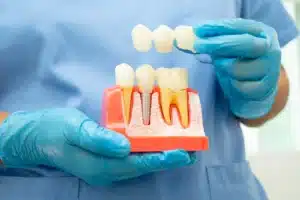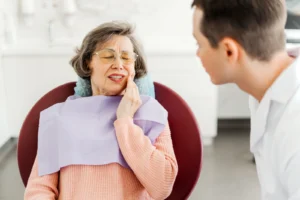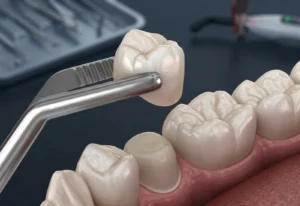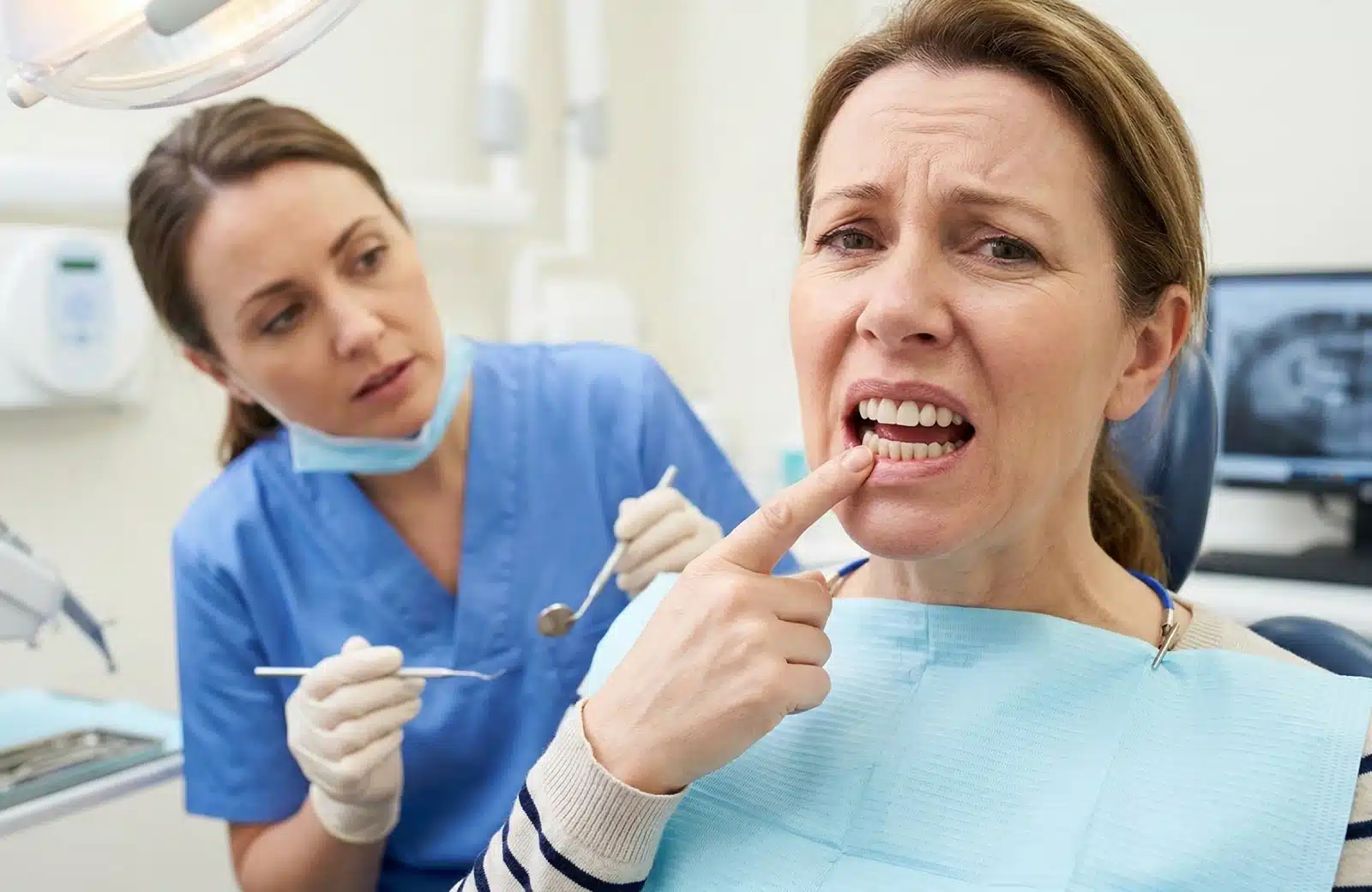
Dental crowns are designed to restore strength, function and appearance to damaged teeth. They are durable and long-lasting — but like any dental restoration, they can sometimes develop issues.
If you’re experiencing discomfort, looseness or changes around your crown, it’s important to understand what might be happening and when to seek help.
At Dental Nook, Dr. Nikita helps patients across Brisbane identify and resolve dental crown problems early — before they turn into more complex concerns.
Common Problems with Dental Crowns
While most crowns function well for many years, some patients may encounter:
1. Tooth Sensitivity
It’s normal to experience mild sensitivity after a crown is placed. However, ongoing discomfort may indicate:
- Inflammation of the underlying tooth
- Bite misalignment
- Exposed tooth margins
If sensitivity persists, an adjustment may be required.
2. Loose Crown
A crown should feel stable and secure. If it feels loose, possible causes include:
- Cement breakdown
- Decay underneath the crown
- Wear over time
A loose crown should be addressed promptly to prevent further damage.
3. Crown Falling Off
If a crown completely dislodges, avoid chewing on that side and contact Dental Nook as soon as possible. In many cases, the crown can be re-cemented if the underlying tooth remains healthy.
4. Pain Around a Crown
Pain may develop due to:
- Infection beneath the crown
- Bite pressure issues
- Gum inflammation
- Cracks in the underlying tooth
Dr. Nikita will examine the area carefully to determine the exact cause.
5. Gum Irritation or Recession
Sometimes patients notice:
- Redness around the crown
- Swelling
- Bleeding gums
This can occur if plaque accumulates around the crown margin or if the fit needs adjustment.
Why Do Dental Crowns Develop Problems?
Several factors can contribute to crown complications:
Normal Wear Over Time
Crowns experience constant pressure from chewing and grinding.
Teeth Grinding (Bruxism)
Excessive grinding can weaken both natural teeth and restorations.
Poor Oral Hygiene
Plaque buildup can lead to decay beneath the crown.
Trauma or Injury
Accidental impacts can damage or loosen crowns.
Regular check-ups allow early detection of these issues.
Signs You May Need a Crown Adjustment
Contact Dental Nook if you experience:
- Persistent sensitivity
- Sharp pain when biting
- A crown that feels too high
- Visible gaps around the crown
- A change in how your bite feels
Small adjustments can often prevent larger problems.
Preventing Problems with Dental Crowns
Good maintenance significantly reduces the risk of complications.
Maintain Proper Oral Hygiene
Brush twice daily and floss carefully around the crown.
Attend Regular Dental Visits
Routine check-ups help detect early signs of wear or decay.
Wear a Night Guard if Recommended
If you grind your teeth, a custom night guard protects your crowns and natural teeth.
Avoid Hard Foods
Chewing ice or very hard foods can damage restorations.
Can a Crown Be Repaired?
Depending on the issue, possible solutions may include:
- Re-cementing the crown
- Adjusting the bite
- Treating infection
- Replacing the crown if necessary
Dr. Nikita will always aim to preserve as much natural tooth structure as possible.
When Should a Crown Be Replaced?
Crowns may need replacement if:
- There is decay beneath them
- The fit is compromised
- Structural damage has occurred
- Significant gum changes affect stability
Modern crowns are highly durable, but no restoration lasts indefinitely.
Sedation Options for Comfortable Treatment
If dental procedures make you anxious, Dental Nook offers sedation options to help you feel relaxed and supported.
Available options may include:
- Happy gas
- Oral sedation
- IV sedation
Your comfort and safety are always prioritised.
Frequently Asked Questions About Dental Crowns
How long do dental crowns last?
With proper care, many crowns last 10–15 years or longer.
Is it normal for a crown to feel different at first?
Yes, mild adjustment sensations are common in the first few days.
Can decay occur under a crown?
Yes, especially if oral hygiene is not maintained.
What should I do if my crown falls off?
Avoid chewing on that side and contact the clinic promptly.
When to Seek Professional Care
Seek prompt evaluation if you experience:
- Severe or increasing pain
- Swelling around the crown
- Persistent bad taste
- Difficulty chewing
- Crown movement
Early intervention can prevent more complex treatment.
Protect Your Smile with Regular Care
Dental crowns are a valuable long-term solution for restoring damaged teeth. With proper care and routine monitoring, most problems can be prevented.
If you’re experiencing concerns with a dental crown in Brisbane, schedule a consultation at Dental Nook. Dr. Nikita will assess your situation carefully and provide clear, supportive guidance tailored to your needs.