
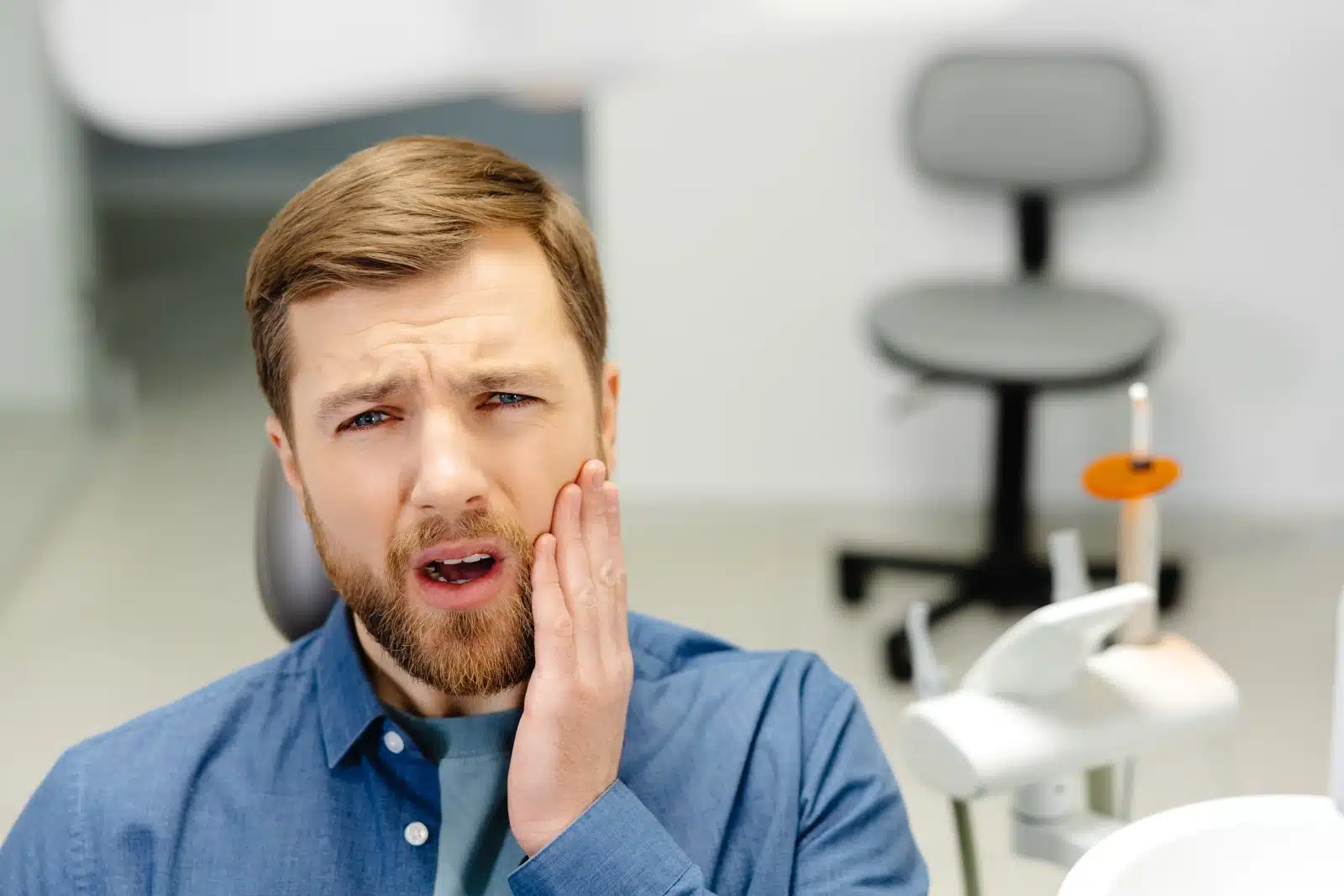
Why Does My Tooth Hurt After a Filling?
It is common to experience some level of sensitivity or discomfort after a dental filling. While fillings are designed to restore and protect damaged teeth, the tooth may need time to adjust after treatment.
At Dental Nook in Brisbane, we often reassure patients that mild pain following a filling is usually temporary. However, understanding what is normal and what requires attention can help you feel more confident during recovery.
Is Pain After a Filling Normal?
Yes, mild discomfort is generally part of the healing process. A filling involves removing decay and restoring the tooth structure. This can temporarily irritate the inner layers of the tooth.
You may experience:
• Sensitivity to hot or cold foods
• Mild pressure discomfort when biting
• Occasional sharp sensations
• General tenderness around the treated area
These symptoms often improve within a few days to a couple of weeks.
Normal Recovery vs Concerning Pain After a Filling
Typical Healing Sensitivity
After a filling, your tooth may feel more sensitive than usual. This is often due to inflammation of the pulp, the soft tissue inside the tooth.
This sensitivity usually:
• Gradually decreases over time
• Is triggered by temperature changes
• Improves without intervention
When Pain May Not Be Normal
If pain is severe, persistent or worsening, it may indicate a deeper issue. Pain that interferes with sleep or chewing should not be ignored.
If discomfort lasts beyond two to three weeks, it is advisable to schedule a review appointment with Dr. Nikita at Dental Nook.
How Long Does Sensitivity After a Filling Last?
For most patients, sensitivity improves within a few days. In some cases, mild discomfort may continue for a few weeks, particularly if the filling was deep.
The duration depends on:
• The size of the filling
• The depth of decay removed
• The tooth involved
• Individual healing response
Teeth with deep cavities may take longer to settle.
Possible Causes of Pain After a Filling
Several factors may contribute to ongoing discomfort.
Deep Filling Near the Nerve
If the cavity was close to the nerve, the pulp may become inflamed. This inflammation can cause temporary sensitivity while the tooth heals.
High Filling
If the filling sits slightly higher than your natural bite, it can create pressure when chewing. This may cause discomfort or jaw strain.
A simple adjustment can usually resolve this issue quickly.
Cracked Tooth
In some cases, a crack in the tooth may become more noticeable after the filling. This can cause sharp pain when biting.
Allergic Reaction to Filling Material
Although rare, some patients may react to certain filling materials. This can cause persistent irritation.
Referred Pain
Occasionally, pain felt in the filled tooth may originate from a nearby tooth or sinus pressure.
Nerve Irritation or Infection
If bacteria reached the inner pulp before the filling was placed, the nerve may become infected. In such cases, further treatment such as root canal therapy may be required.
Dr. Nikita carefully evaluates symptoms to determine the underlying cause.
What You Can Do at Home to Ease Pain After a Filling
If discomfort is mild, you can try:
• Avoiding very hot or cold foods
• Using toothpaste designed for sensitive teeth
• Avoiding chewing on the treated side temporarily
• Taking recommended over-the-counter pain relief if necessary
Maintaining good oral hygiene remains important, but brush gently around the treated area.
What Dentists Do to Fix the Problem
If pain persists, a review appointment allows us to identify and correct the issue.
Bite Adjustment
If the filling is slightly high, Dr. Nikita can reshape it to restore proper bite alignment.
Polishing the Filling
Smoothing rough edges can reduce irritation and improve comfort.
Replacing the Filling
If the filling material has gaps or does not seal properly, replacement may be necessary.
Root Canal Treatment
If the nerve is severely inflamed or infected, root canal therapy may be required to relieve pain and preserve the tooth.
Preventive Measures for Future Fillings
While some sensitivity cannot be avoided, preventive steps help reduce risk.
Early Treatment of Cavities
Addressing decay early often means smaller fillings and less post-treatment sensitivity.
Regular Dental Check-Ups
Routine visits at Dental Nook allow Dr. Nikita to detect issues before they progress.
Good Oral Hygiene
Consistent brushing, flossing and fluoride use strengthen enamel and reduce the need for extensive restorations.
When to Seek Immediate Help
You should contact Dental Nook if you experience:
• Severe or throbbing pain
• Swelling in the gums or face
• Pain that worsens instead of improving
• Fever
• Difficulty chewing
Prompt evaluation prevents complications.
Key Takeaways
• Mild sensitivity after a filling is common
• Most discomfort improves within a few days to weeks
• Persistent or severe pain requires assessment
• Bite adjustments often resolve ongoing discomfort
• Early treatment reduces the risk of complications
Sedation Options for Patients with Dental Anxiety
If dental anxiety makes you hesitant to seek care, Dental Nook offers sedation options tailored to your needs. These may include:
• Nitrous oxide
• Oral sedation
• IV sedation
• Sleep dentistry in suitable cases
Dr. Nikita carefully evaluates each patient to ensure safety and comfort throughout treatment.
Still in Pain After a Filling? Book a Visit Today
If you are experiencing ongoing discomfort after a filling, schedule a review appointment with Dr. Nikita at Dental Nook in Brisbane. We will assess your symptoms and provide appropriate treatment to restore comfort and oral health.
Medical Disclaimer
This blog is for informational purposes only and does not replace professional dental advice. Always consult Dr. Nikita or a qualified dental professional regarding concerns about post-filling pain.