



Step 1: Careful assessment and X-ray
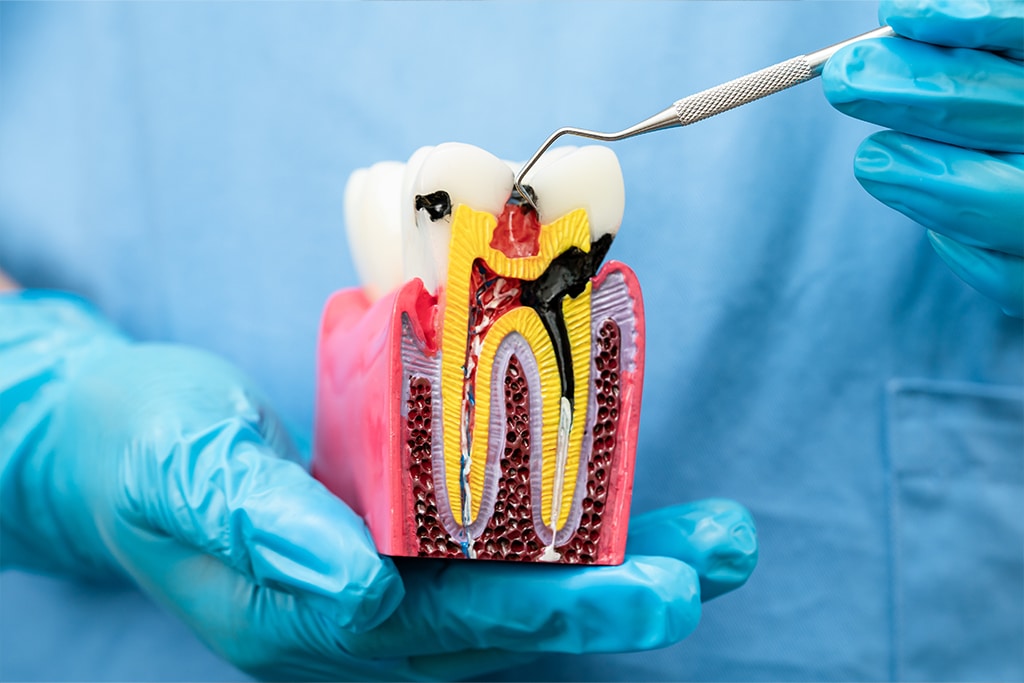
First, our dentist will take an X-ray of the painful tooth to see the exact shape of the root canals and check whether the infection has spread to the surrounding bone.
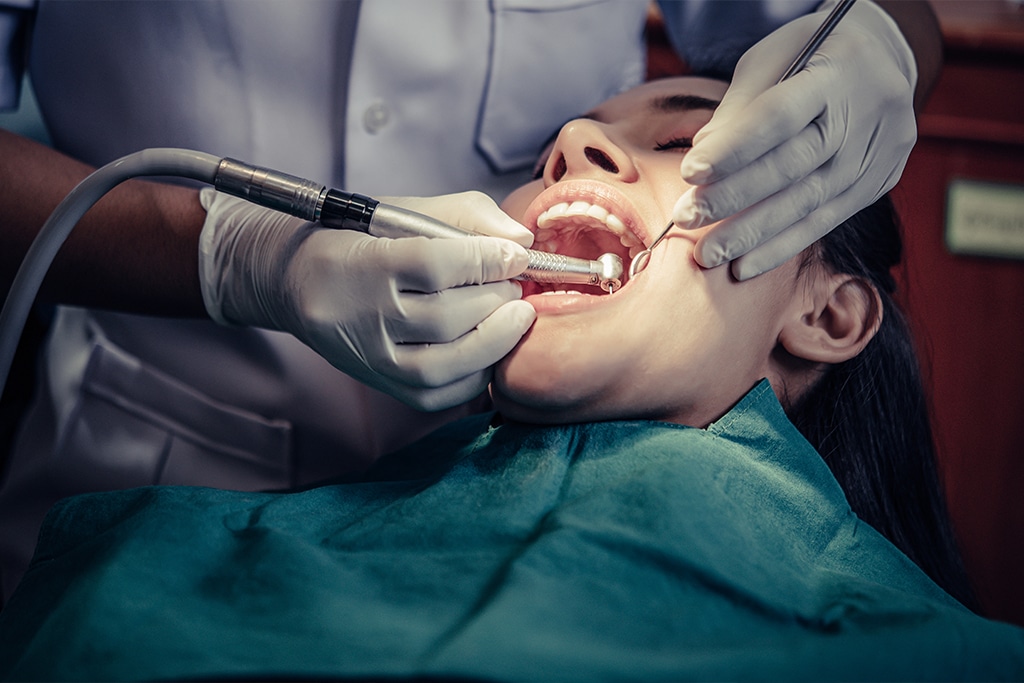
Before any treatment begins, the area is numbed with local anaesthesia so you stay comfortable throughout the appointment. In some cases, where the nerve has already died, minimal sensation is felt even before the anaesthetic is given.
Step 2: Keeping the tooth isolated and dry
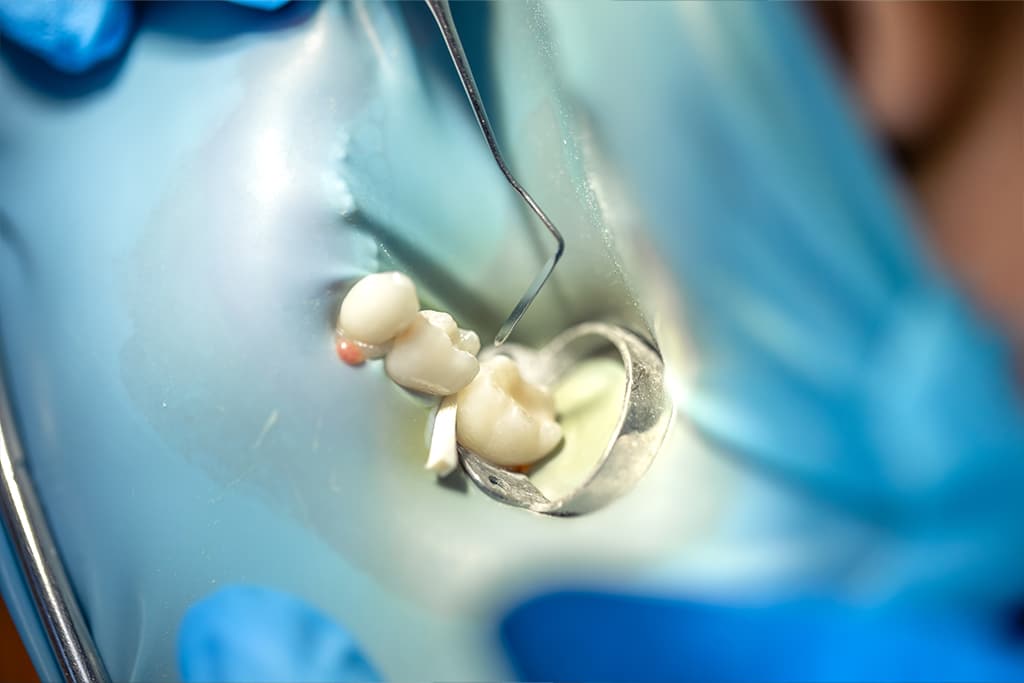
For root canal therapy to work properly, the tooth must stay clean and free of saliva. A small rubber sheet, called a rubber dam, is placed around the tooth. This isolates it from the rest of your mouth and keeps the area dry while we work.
Step 3: Creating an access point and cleaning the canals
Next, a tiny opening is made on the top of the tooth so the dentist can reach the infected tissue inside. Fine root canal instruments are then used to gently remove the dead nerve tissue, bacteria, and debris from each canal.
The canals are gradually shaped and smoothed, and the inside of the tooth is rinsed with antibacterial solutions to flush away any remaining infection. This cleaning step is repeated until the canals are thoroughly disinfected.
Step 4: Filling and sealing the root canals
Once the canals are clean and dry, they are filled with a special rubber-like material and sealed with a dental cement. This closes the space where bacteria once lived and helps prevent the infection from returning.
Sometimes this sealing is completed in the same visit. In other situations, a temporary dressing may be placed and the final filling done at a later appointment, especially if medication is needed inside the tooth to settle the infection first.
Step 5: Restoring and protecting the tooth
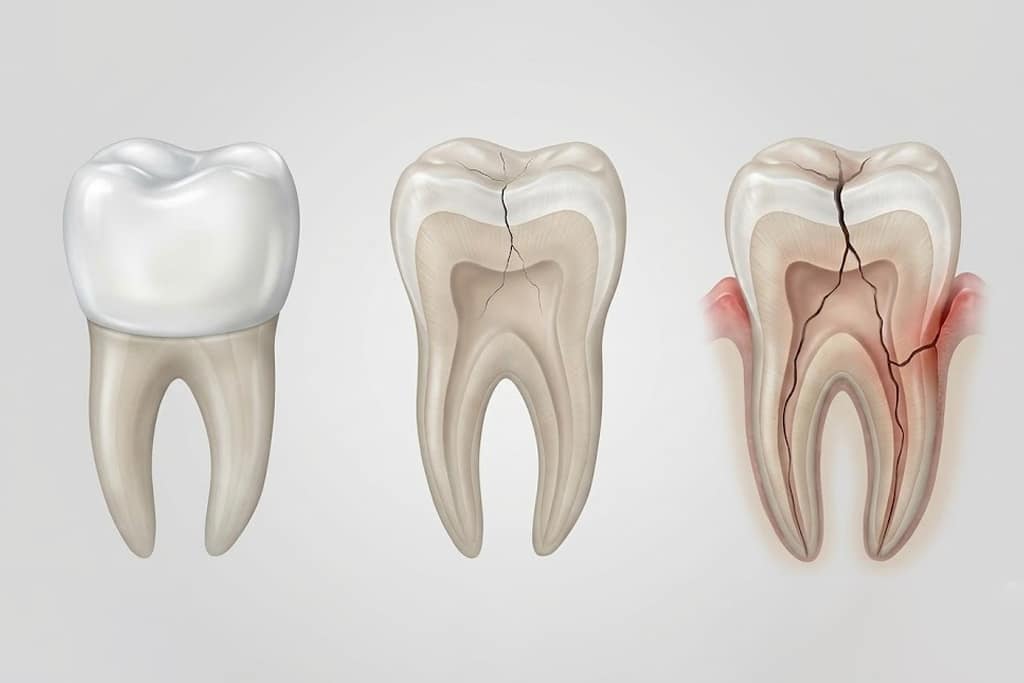
Because the tooth no longer has a nerve supply, it can become more fragile over time. To strengthen it and restore normal function, a final restoration is needed. Most teeth that have had root canal treatment are best protected with a dental crown, although in some cases a large filling or post-and-crown may be recommended.
Until the final crown or restoration is fitted, we advise avoiding hard or very chewy foods on that tooth to reduce the risk of fracture. Once fully restored, the tooth should feel and function much like your other teeth.

Please note that this is not an actual appointment, but only a request for one. We will contact you for a confirmation shortly after. Thank you!