Dentures in Brisbane

Modern Dentures: Comfortable, Natural-Looking Smiles
full dentures

High Quality Dentures To Restore Missing Teeth Naturally

People can lose teeth because of decay, gum disease, injury or other medical conditions. With modern dental techniques, the gaps left behind can be filled with carefully designed replacement teeth so you can chew, speak and smile with confidence again. Options to replace missing teeth may include
Dentures can help maintain the shape of your face and support normal chewing and speaking. They are usually a cost-effective way to replace several or all missing teeth. When all teeth are missing, a well-fitting denture can make eating easier and help improve overall facial appearance.
If you are considering dentures, the information below gives a general overview. Your suitability always needs to be assessed in person by a qualified dentist.

Partial Dentures That Blend In and Support Nearby Teeth

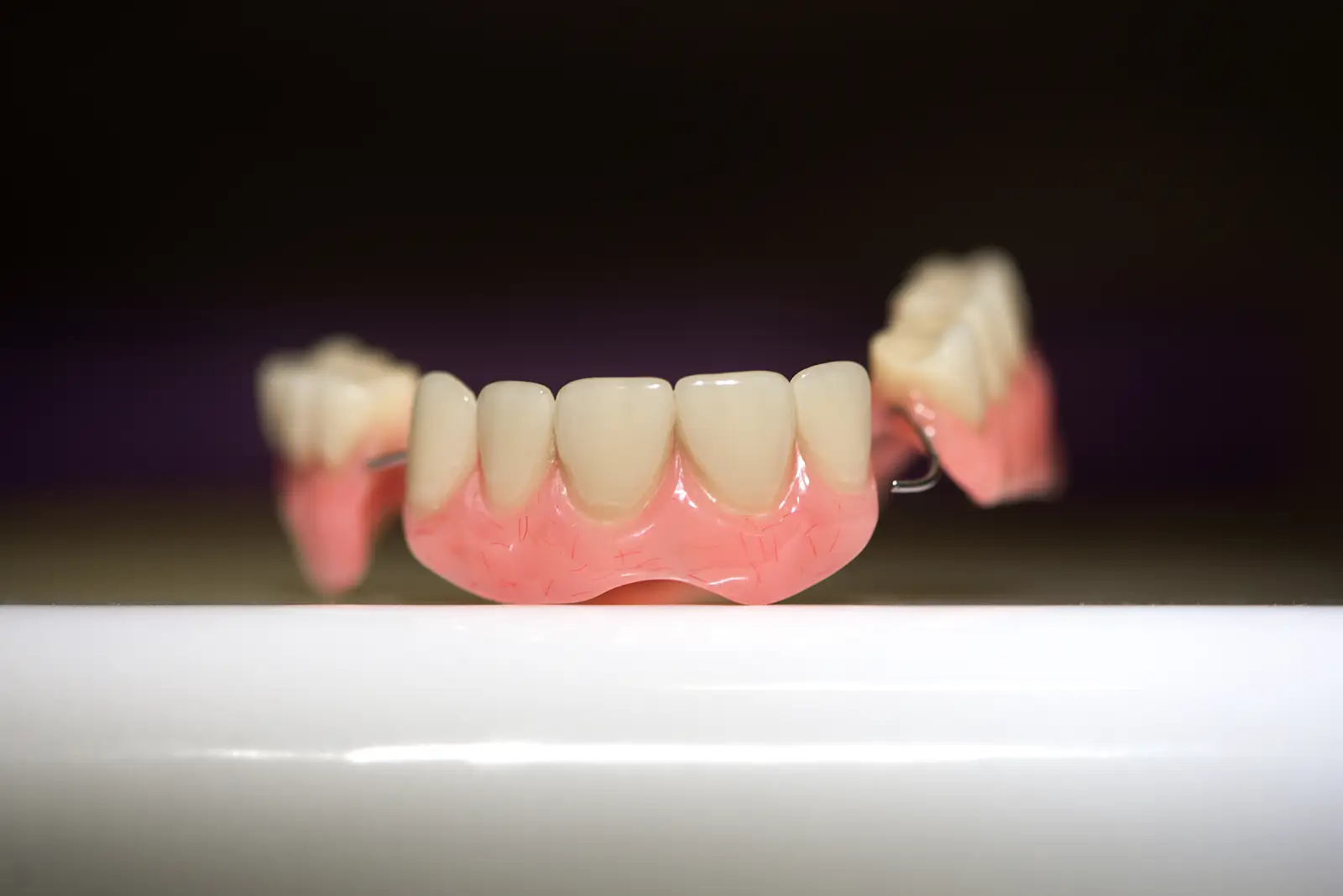
Today’s partial dentures are designed to be comfortable and to look very similar to natural teeth. Many people find that others cannot easily tell they are wearing a denture. As well as filling the gaps, partial dentures help keep neighbouring teeth in their correct position and provide extra support where teeth have been lost.

Full Dentures and Partial Dentures: Focus on Stability

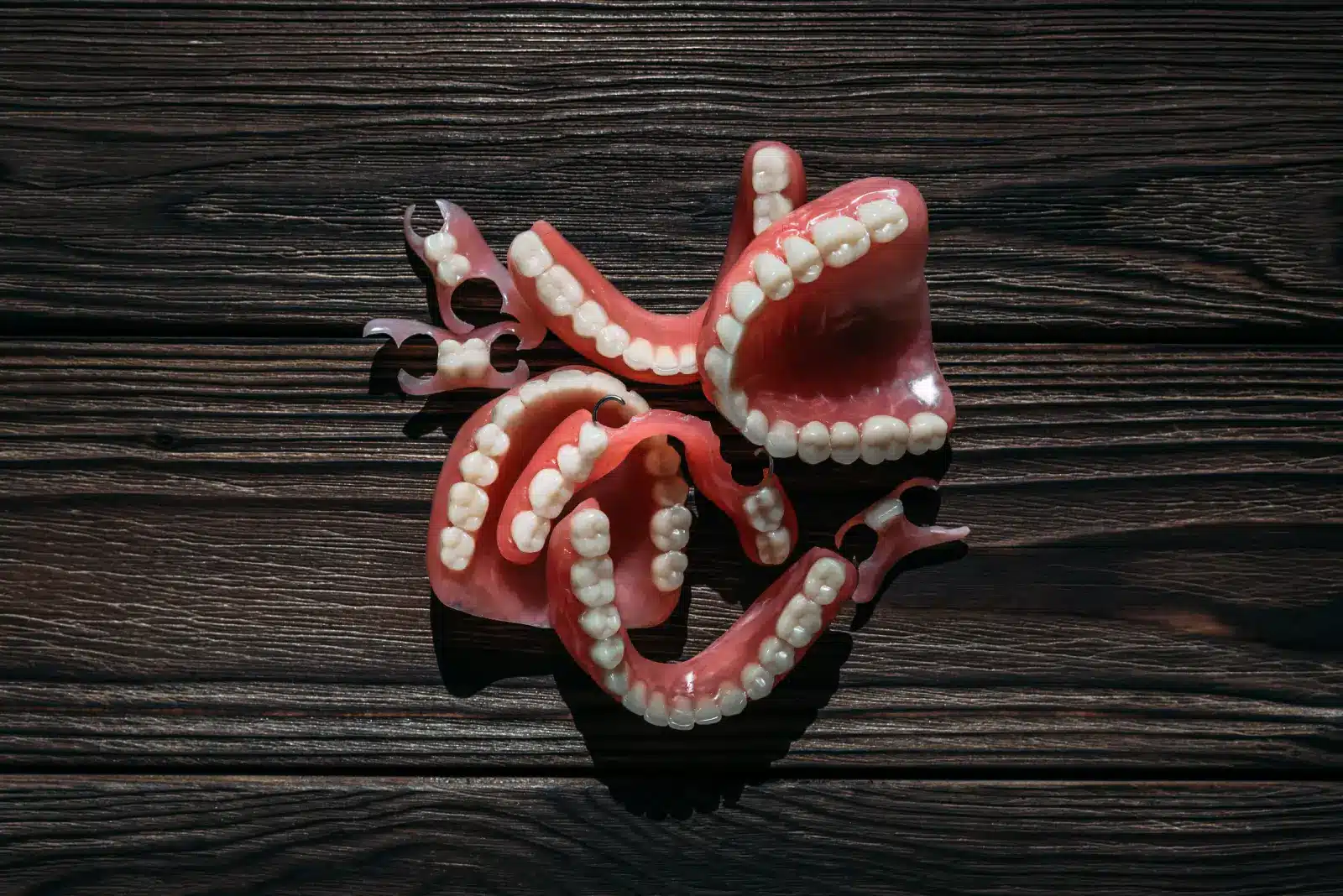
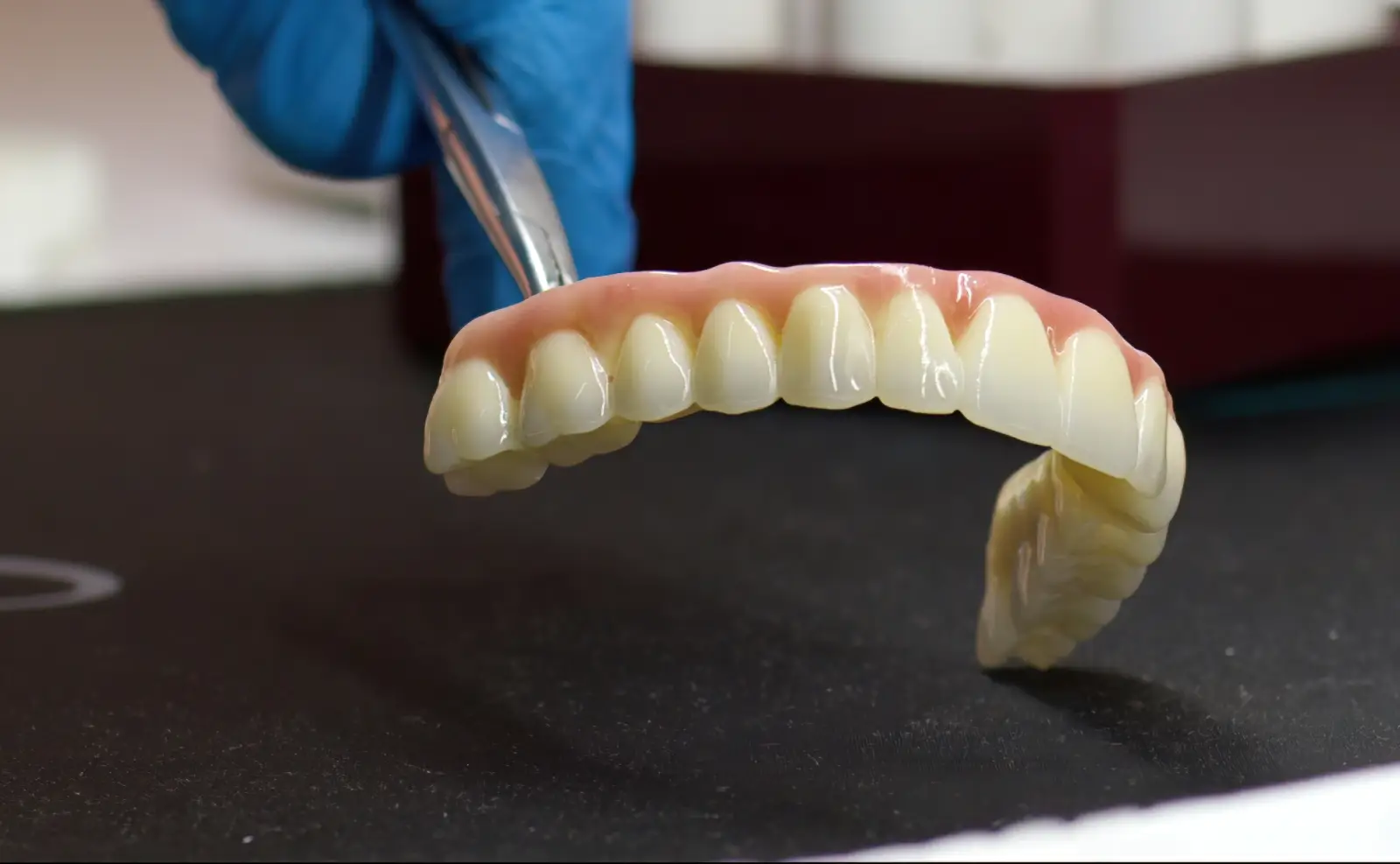
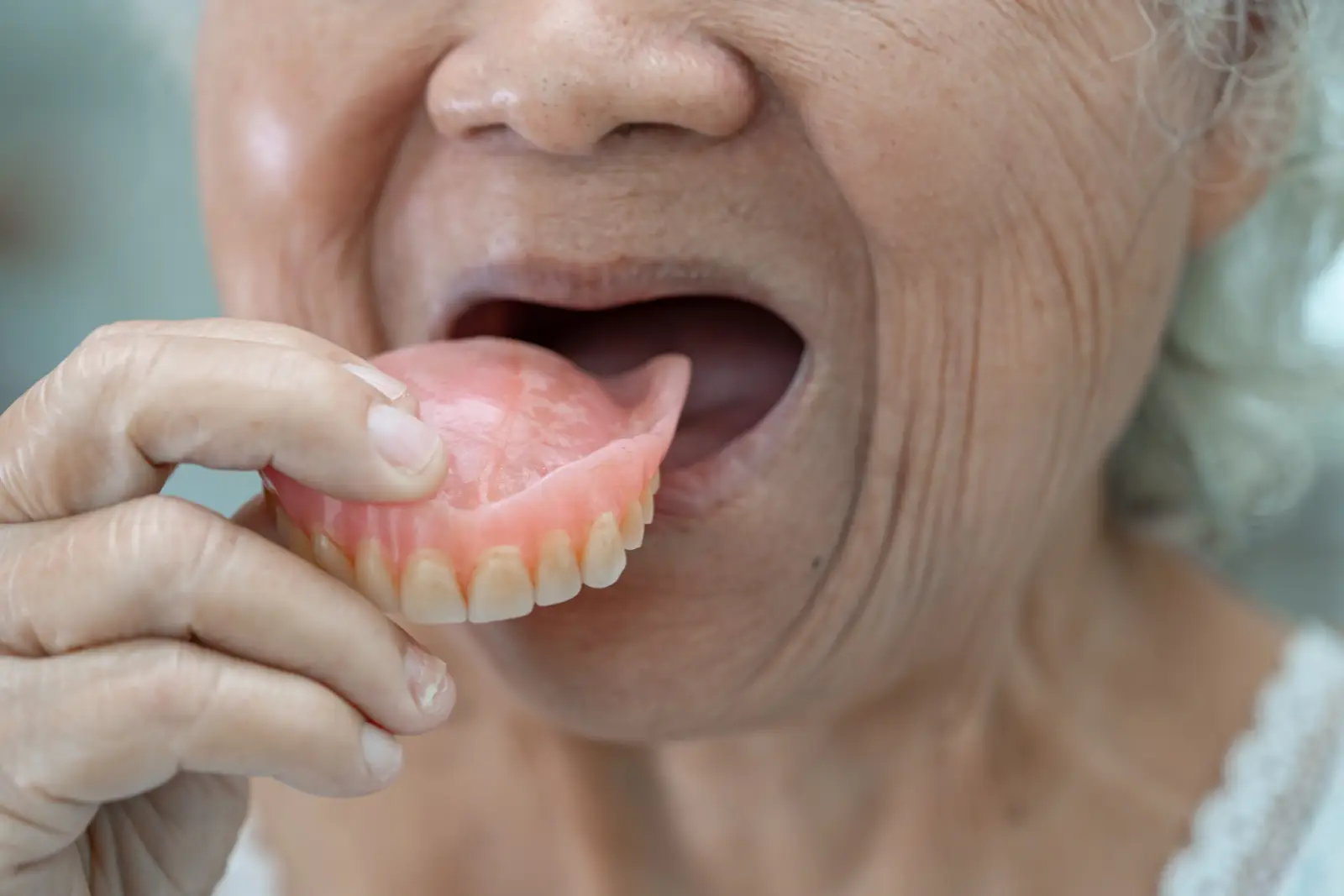
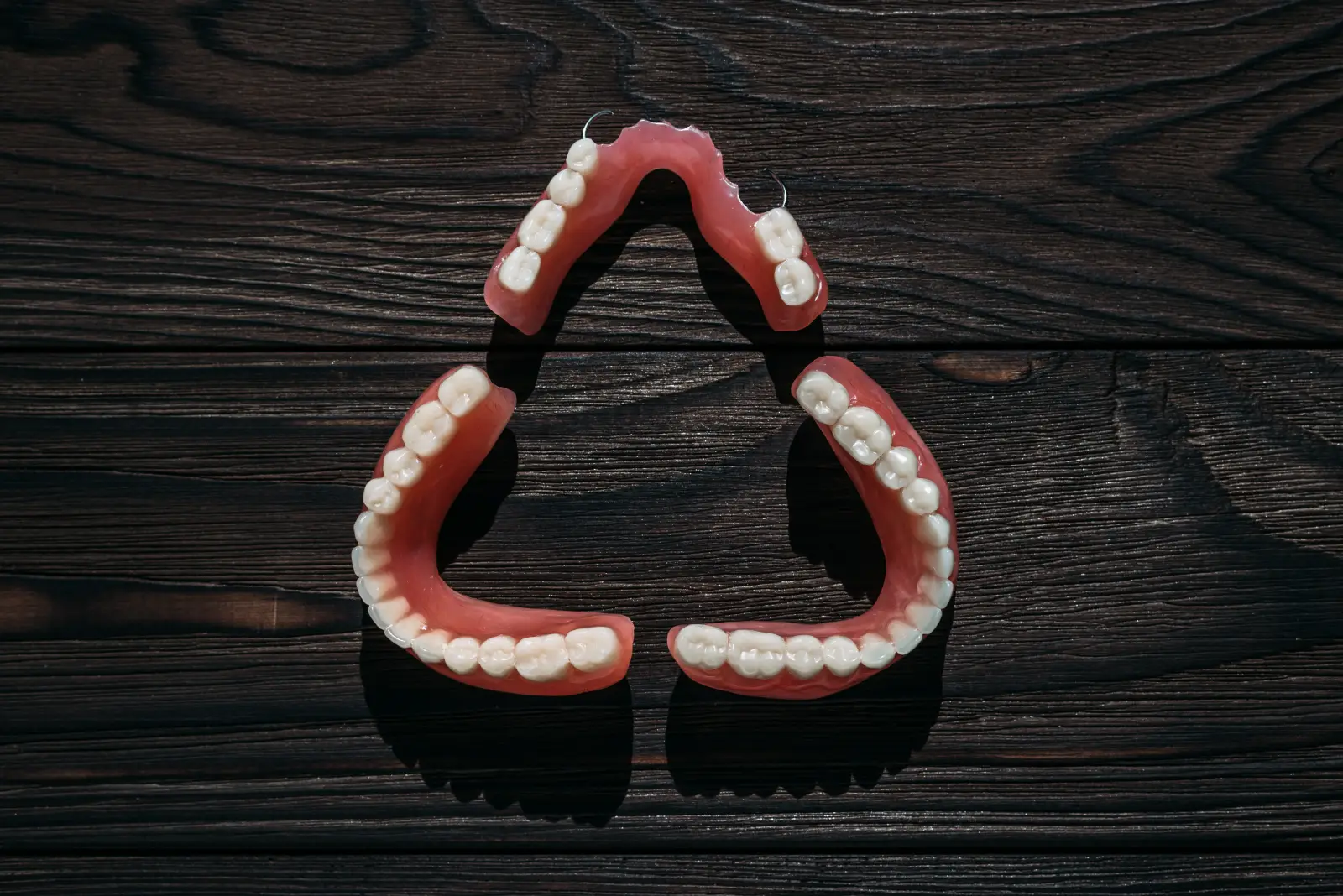
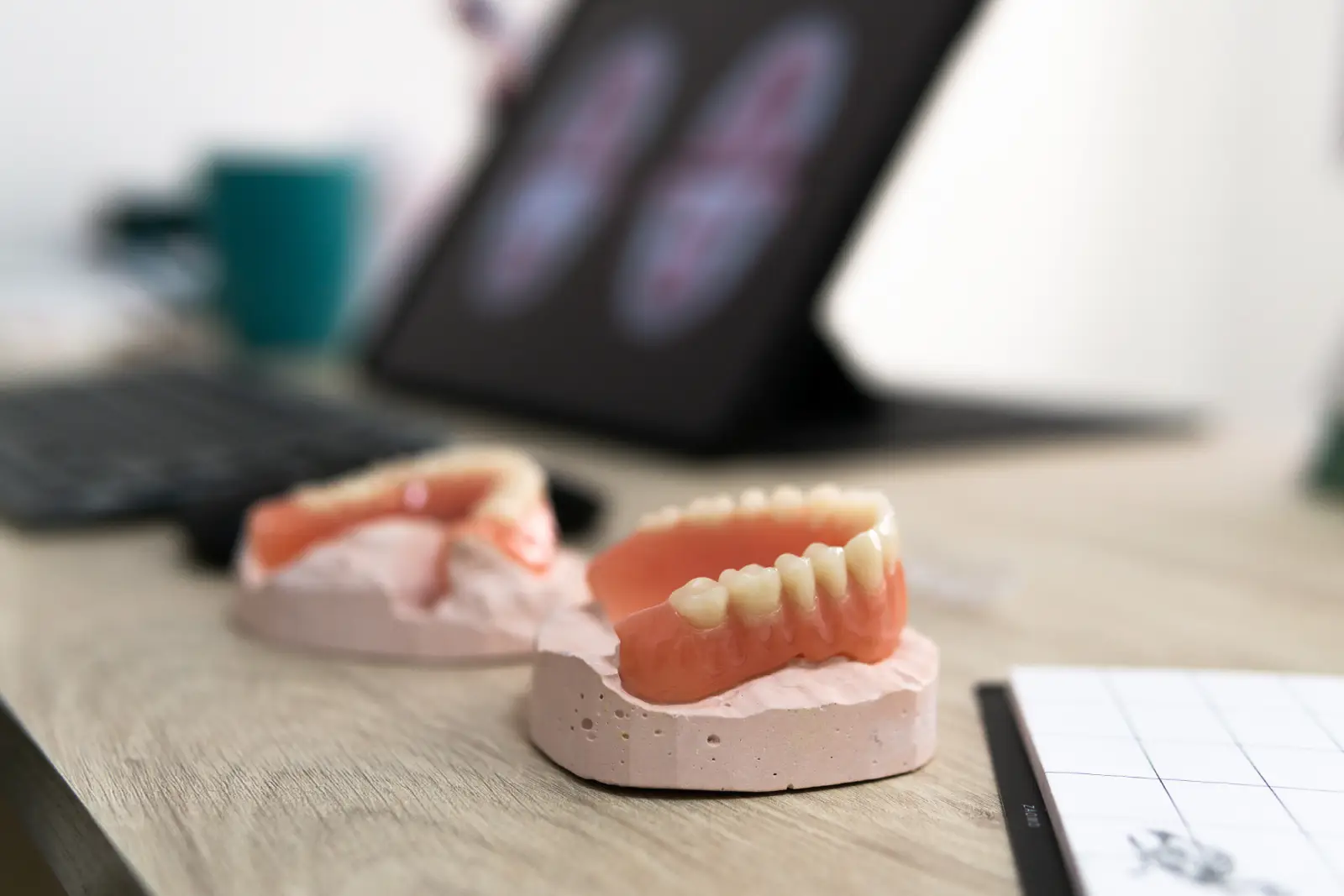
Complete dentures are used when all teeth in a dental arch are missing. They are custom-made to sit on the gums and replace the full set of teeth. Partial dentures are chosen when some natural teeth are still present. Depending on the design, partial dentures may be supported by the remaining teeth, by the gums or by a combination of both.
Some partial dentures can offer very good stability and retention by attaching to nearby natural teeth or dental implants. This additional support often gives a more secure and stable feel compared to full dentures alone.

Complete and Partial Dentures

Dentures are removable appliances that replace missing teeth and the surrounding tissues. They can be:
  • Complete denturesare used when all teeth in an arch are missing
  • Partial dentures are used when only some teeth are missing
Partial dentures are sometimes called removable bridges, while fixed bridges may also be referred to as fixed partial dentures.
parial and full dentures
partial dentures

Additional Benefits of Dentures

Well-made dentures can:
  • Help prevent neighbouring teeth from drifting out of position
  • Restore clearer speech
  • Make chewing and eating easier
  • Reduce strain on the jaw joints
  • Support facial muscles and reduce facial sagging
  • Lower the risk of gum disease around remaining teeth
  • Stop nearby teeth from tipping into gaps left by missing teeth

Complete Dentures – How They Are Made

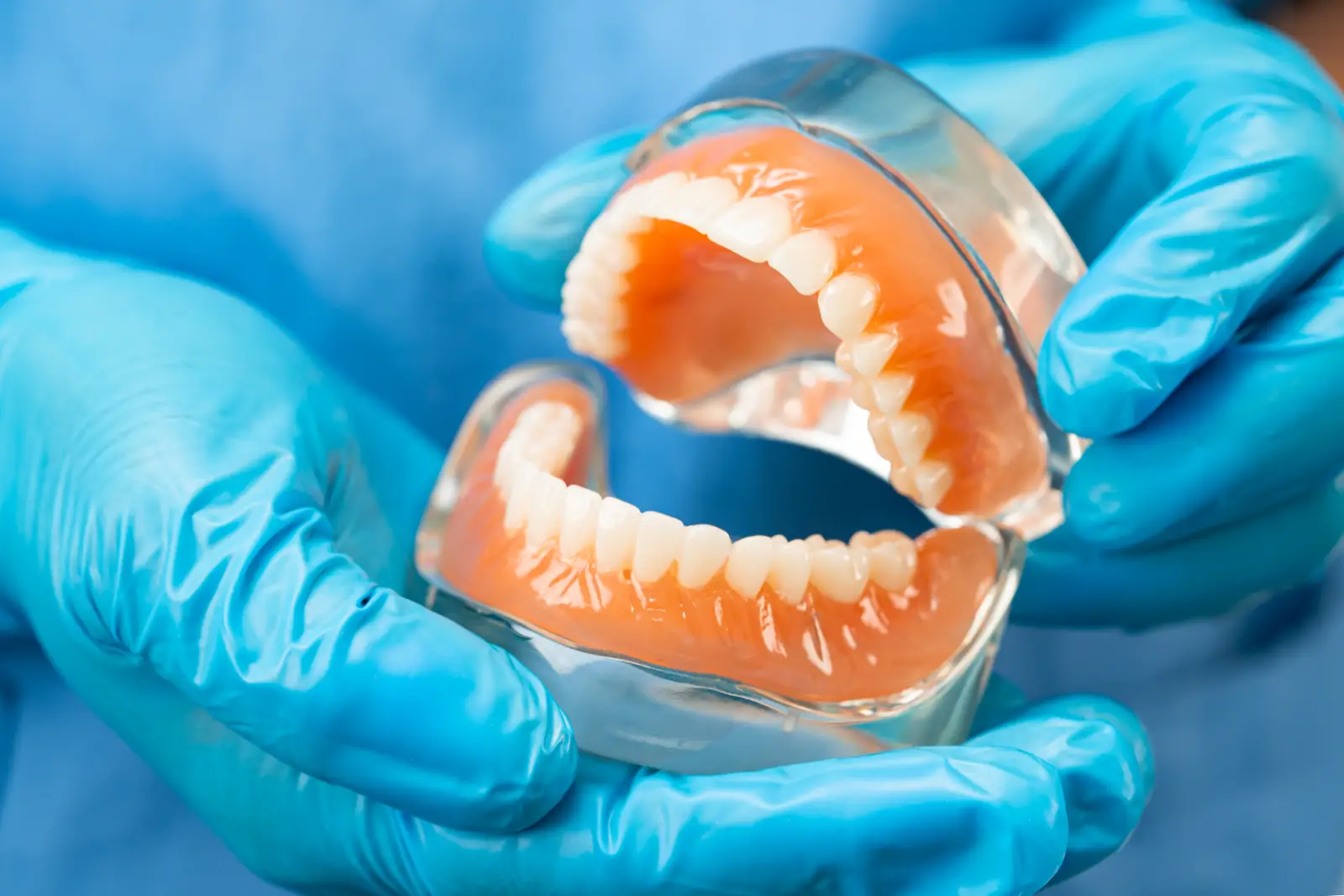
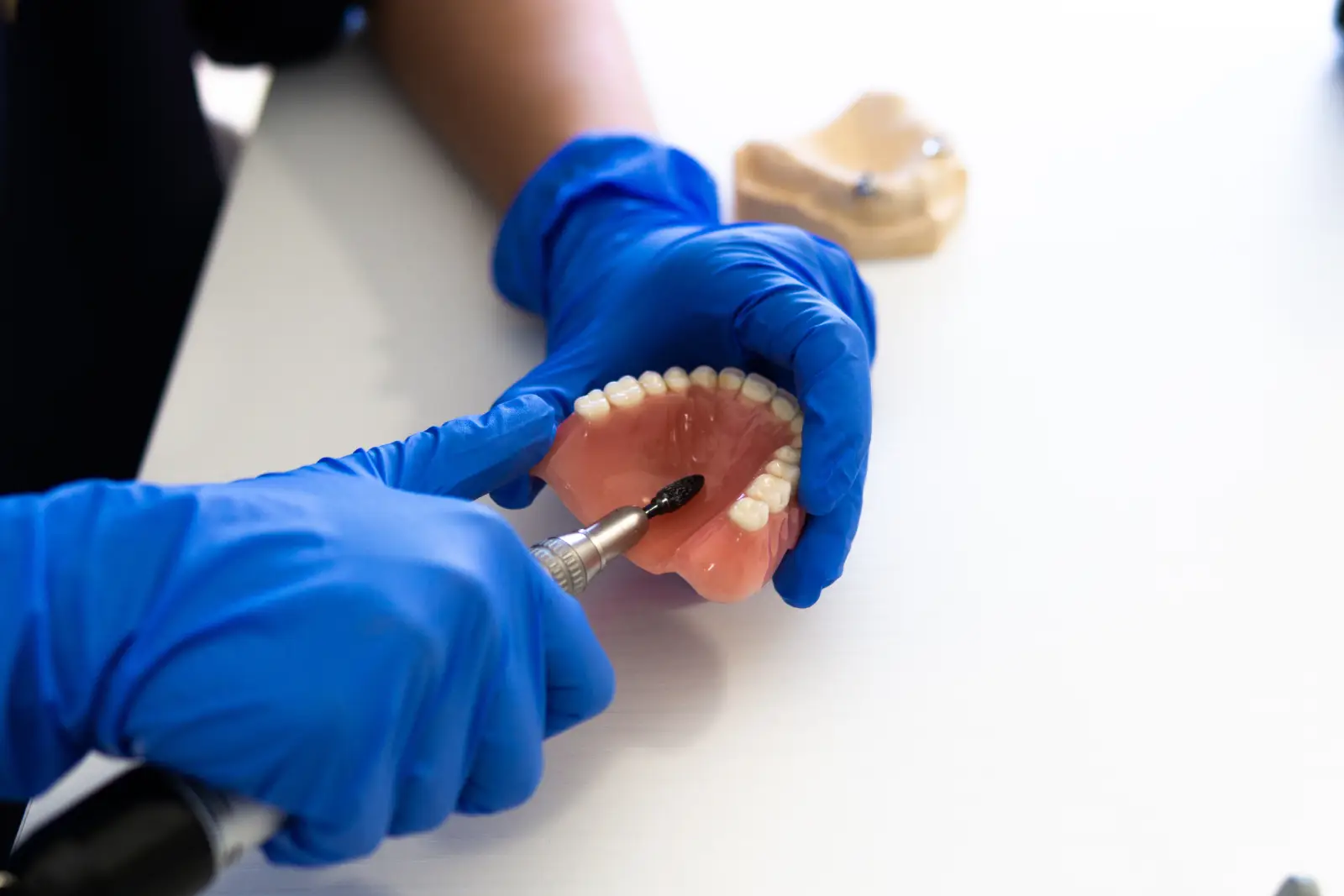
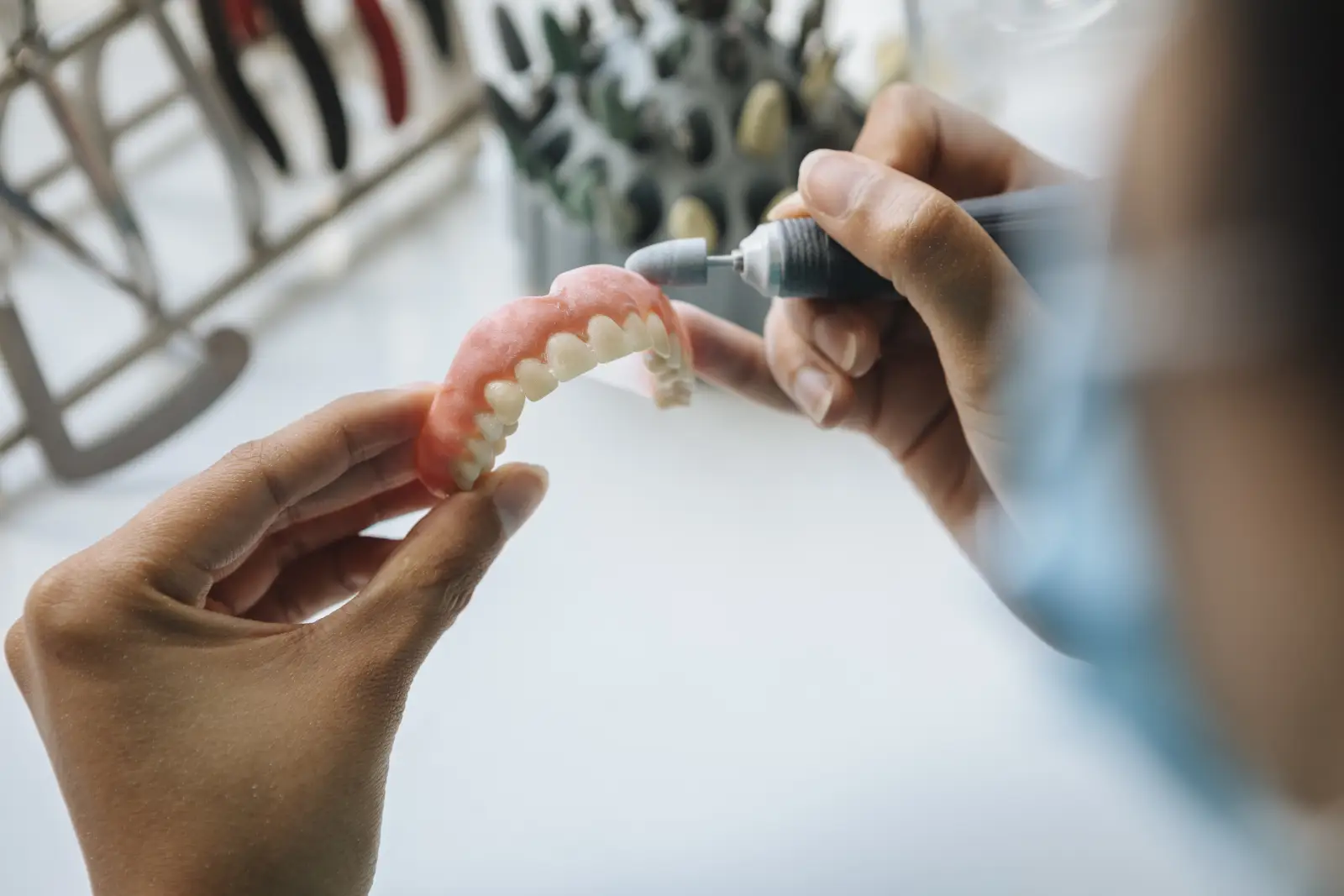
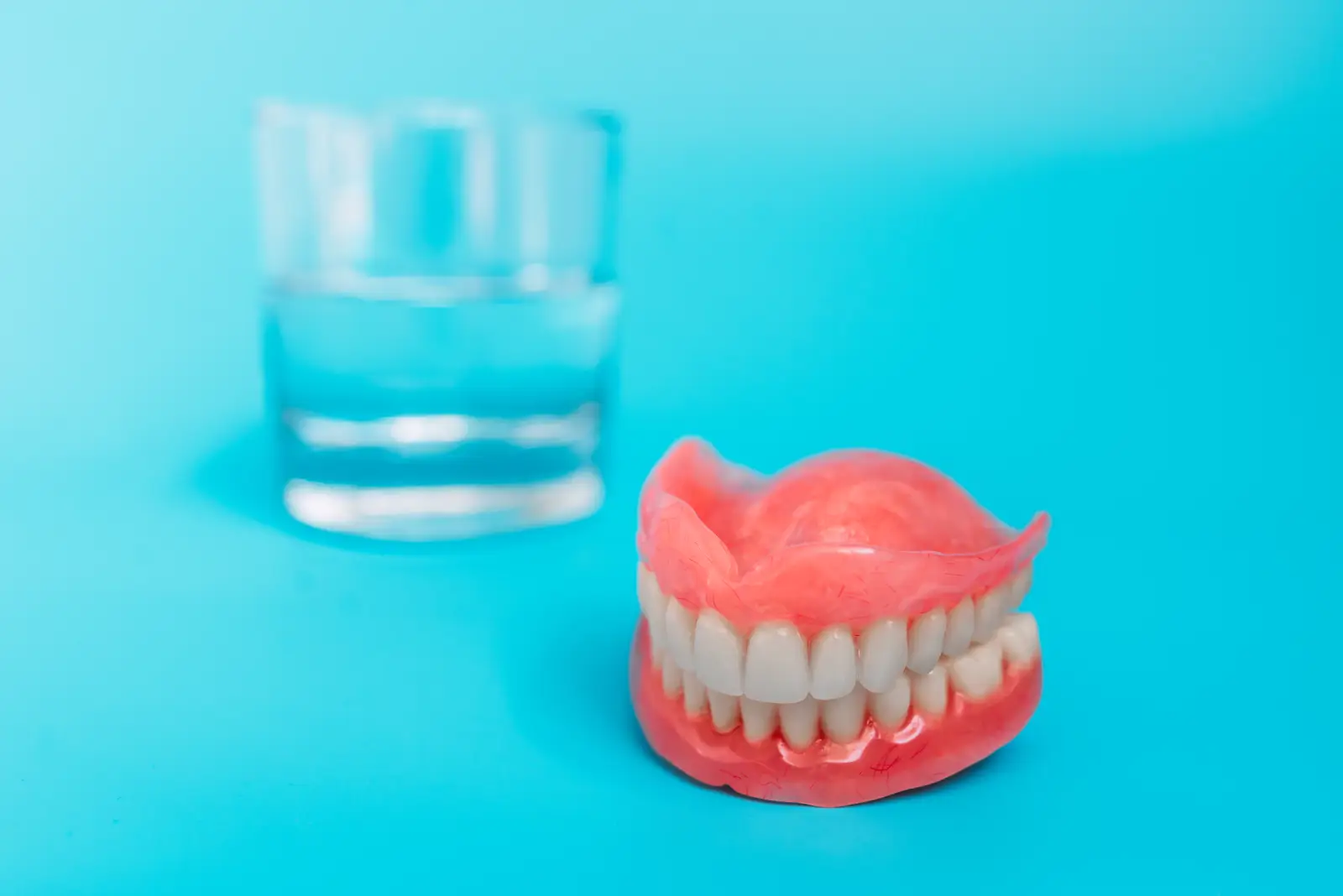
Most full dentures are crafted from a pink acrylic base that mimics the natural colour of your gums. This base holds a full set of artificial teeth, which may be made from high-quality plastic or porcelain, giving a natural appearance and functional bite.

Partial Dentures – How They Are Made

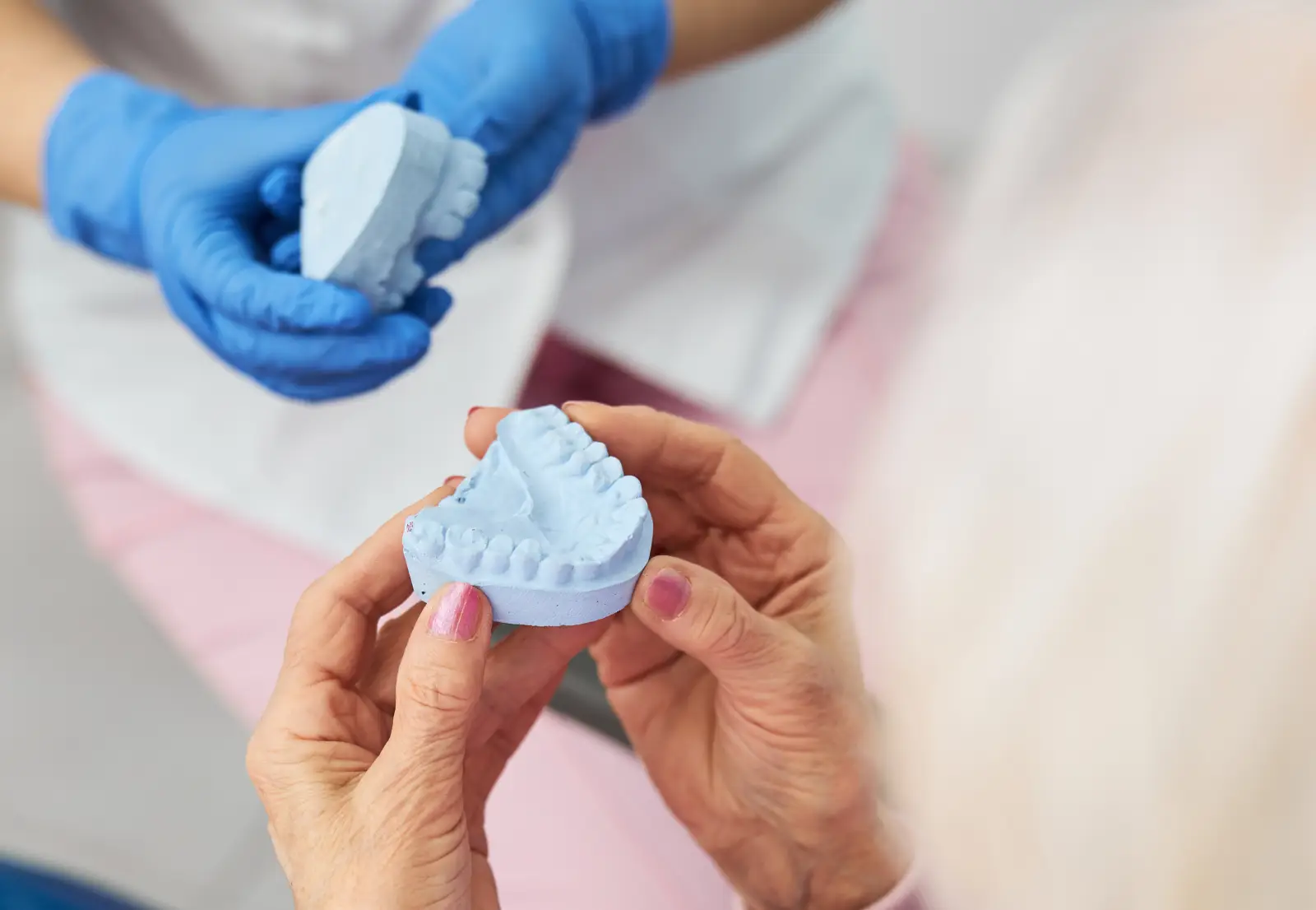
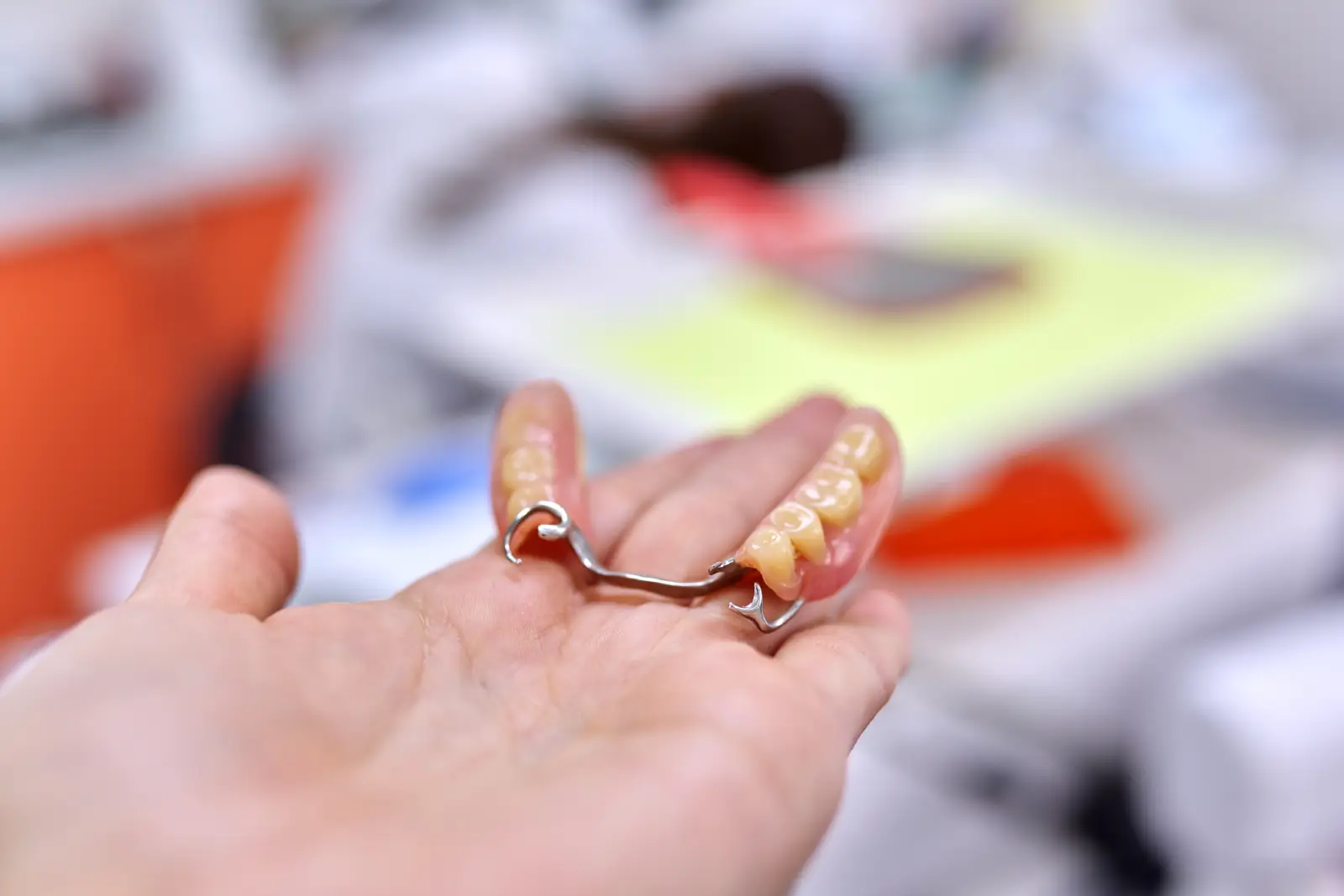
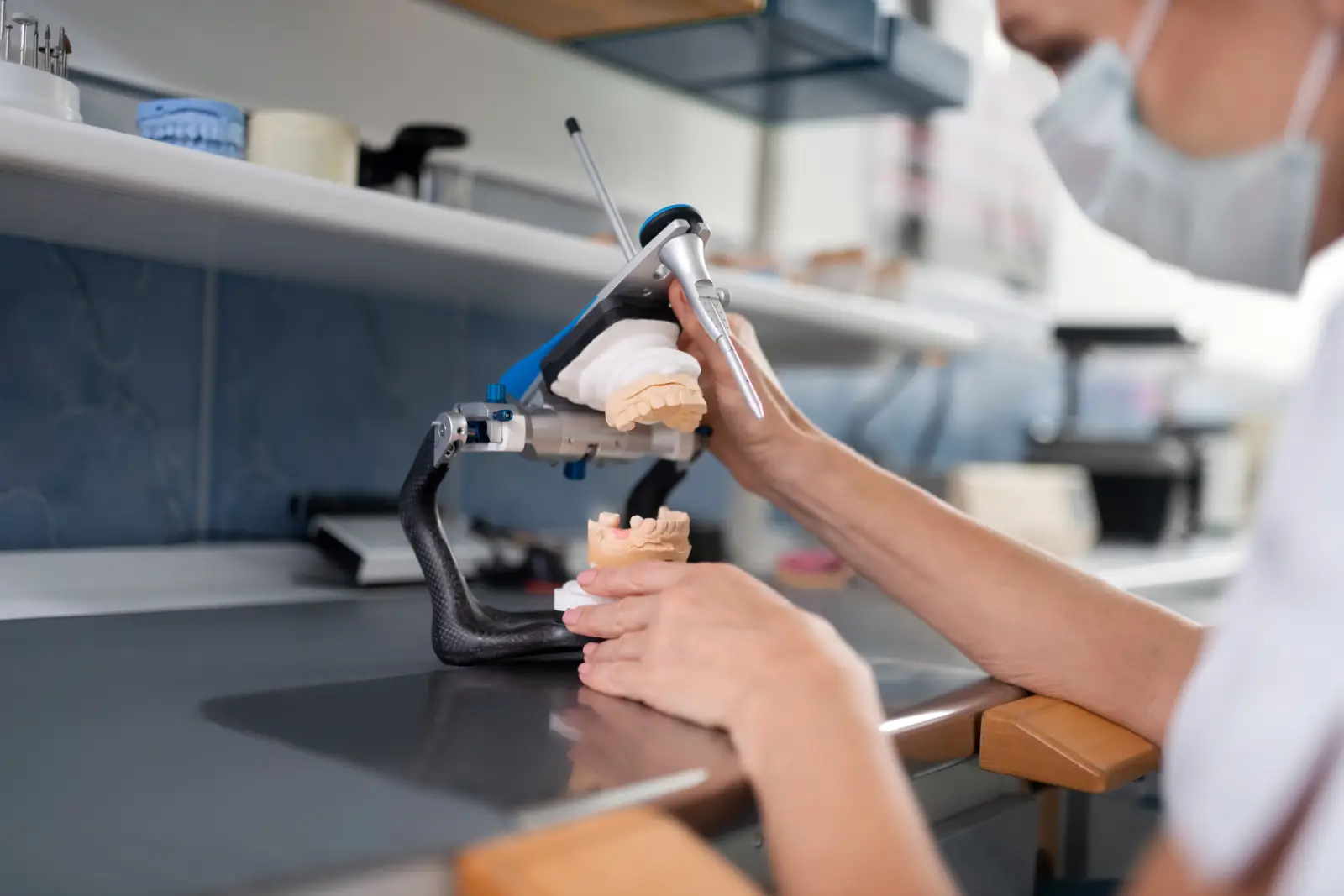
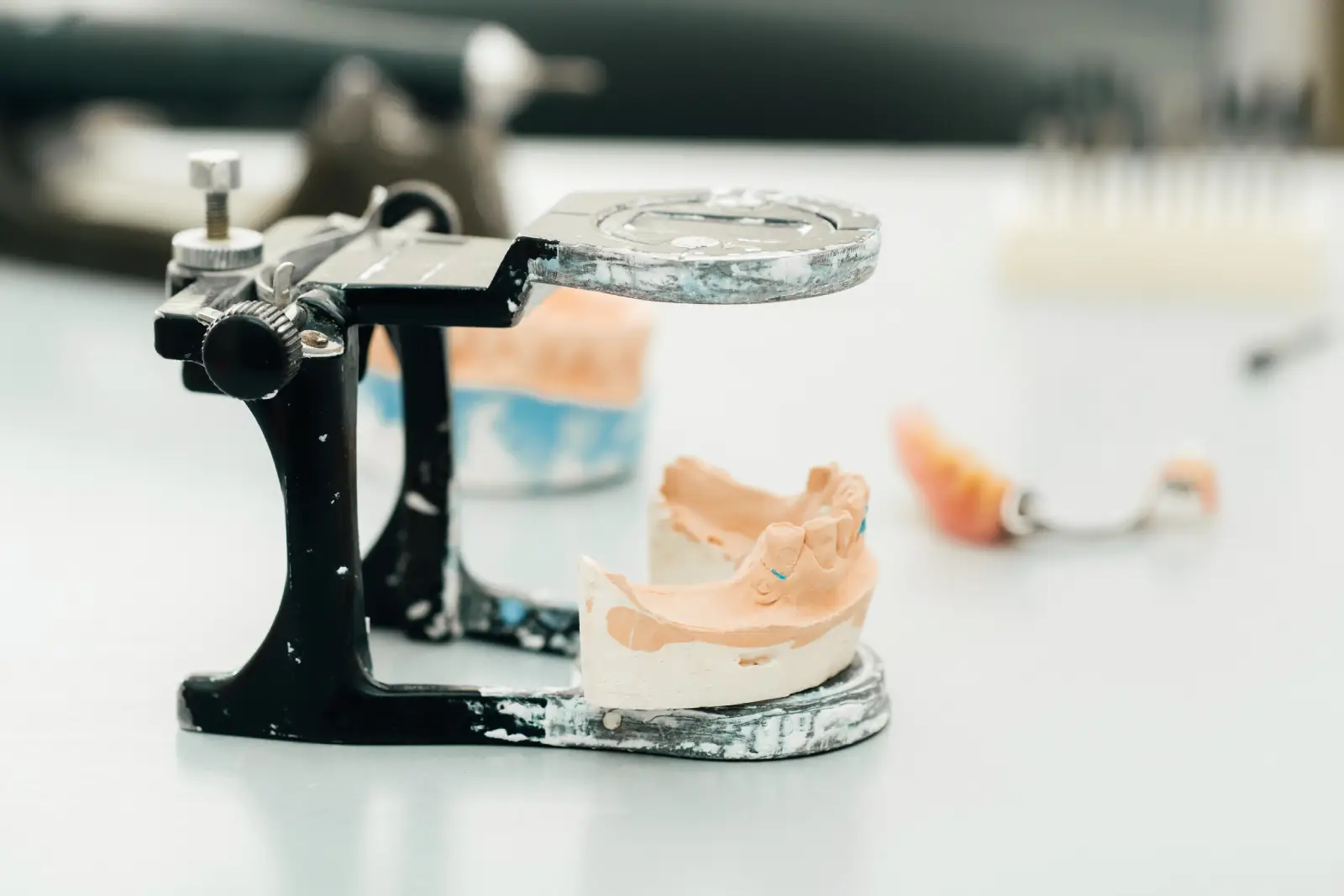
Partial dentures use a custom-made base that supports replacement teeth. This base is designed from precise models of your mouth so the denture fits securely and comfortably.
They are usually made from:
  • Cobalt–chromium alloy, a strong, lightweight metal commonly used in dentistry for its durability and fatigue resistance
  • Acrylic plastic, often used for temporary or interim partial dentures
Long-term partial dentures are frequently made from a combination of metal and acrylic for strength, comfort, and a natural look.

Immediate Dentures

As the name suggests, immediate denturesare fitted straight after the remaining teeth are removed. You do not need to wait for the extraction sites to fully heal before having teeth replaced, so you avoid a period without teeth and can maintain your appearance and ability to smile.
Because the bone and gums naturally change shape after extractions, the fit of an immediate denture often alters over the first three to six months. Adjustments, relines, or a replacement denture may be needed once healing is complete.
Immediate dentures are not suitable for everyone, especially patients with certain medical or oral health conditions. Your Dental Nook dentist will assess your situation and discuss whether this option is appropriate for you.
There are two main approaches to immediate dentures:
  • Conventional immediate dentures
  • Interim (temporary) immediate dentures
Your dentist will explain which option best suits your treatment plan and long-term goals for your smile.

dentures in brisbane

Types of Partial and Full Dentures

Partial dentures can be:
  • Tooth-supported, where the denture is anchored mainly to remaining natural teeth
  • Tooth-and-tissue-supported, where both the gums and natural teeth share the support
Complete dentures are:
  • Tissue-supported, resting fully on the gums once all teeth in that arch have been removed

Conventional Dentures

When teeth are removed, the sockets need time to heal. This healing phase can take up to around 12 weeks. Once the gums have settled and the tissue has recovered, a conventional denture is made to fit your mouth.

During this waiting period, patients who choose a conventional denture alone will not have teeth in that area. To help maintain appearance and confidence while the gums heal, an immediate denturecan be used as a temporary solution before the final denture is fitted.

making of dentures

Interim Immediate Dentures

Interim immediate dentures (IID)are placed in the mouth straight after tooth removal. As the name suggests, they are intended for short-term use while the extraction sites heal. They are worn only during the healing period and later replaced with a longer-term denture. Because they bridge the gap between extractions and the final denture, they are sometimes called transitional immediate dentures.

Interim immediate dentures are often used when both front and back teeth remain until the day of extraction. They are inserted on the same day the teeth are removed, so you are not left without teeth. For many patients, the main purpose of an interim denture is to preserve appearance and confidence until a permanent option is provided.

Conventional Immediate Dentures

Conventional immediate dentures (CID)are used when front teeth remain, or when a patient chooses to have the back teeth removed first while keeping the front teeth for as long as possible.

After the back teeth are extracted and the area has healed, a conventional immediate denture can be planned. Once healing is complete, the remaining front teeth are removed, and the immediate denture is fitted at the same visit, so there is no time spent without teeth in that region.

Conventional immediate dentures are sometimes referred to as classic immediate denturesand are an excellent option for patients who wish to maintain their smile throughout the treatment process.

full dentures

Immediate Complete Dentures

An immediate complete denture is a full denture that is made before your remaining teeth are removed. It is fitted straight after the extractions so you are not left without teeth while your gums heal. This option is removable and is very helpful when appearance is a priority, for example, if you need to return to work quickly or feel confident in social situations while your mouth is healing.

Immediate Dentures for Fast Replacement of Missing Teeth

Immediate dentures are an effective way to reduce the impact of losing teeth. They quickly restore the look of your smile and help with chewing and speaking. This can also support your emotional well-being while you adapt to your new teeth. People who have been without teeth for some time often find it harder to adjust than those who move straight from an interim or immediate denture to a longer-term solution, so early replacement is often easier.

Immediate Denture in the First Week

During the first week, your dentist may recommend that you wear your denture most of the time, including overnight. You might be asked to take it out after meals and before going to bed to gently clean the denture and your mouth. This routine helps keep the tissues healthy and reduces irritation while everything settles.

Immediate Denture as a Protective Dressing

In some situations, an immediate denture can act like a soft dressing or shield over a fresh extraction site. It can help control bleeding, protect the surgical area and support healing of the gum and bone beneath. Because the socket is covered, many patients also feel less post-extraction discomfort.
With an immediate denture, you do not need to go through a period without teeth while the sockets and gums recover. Your dentist will advise if this approach is suitable for you, as in some cases an immediate denture may interfere with healing, and a different plan may be recommended.

Cleaning Your Denture

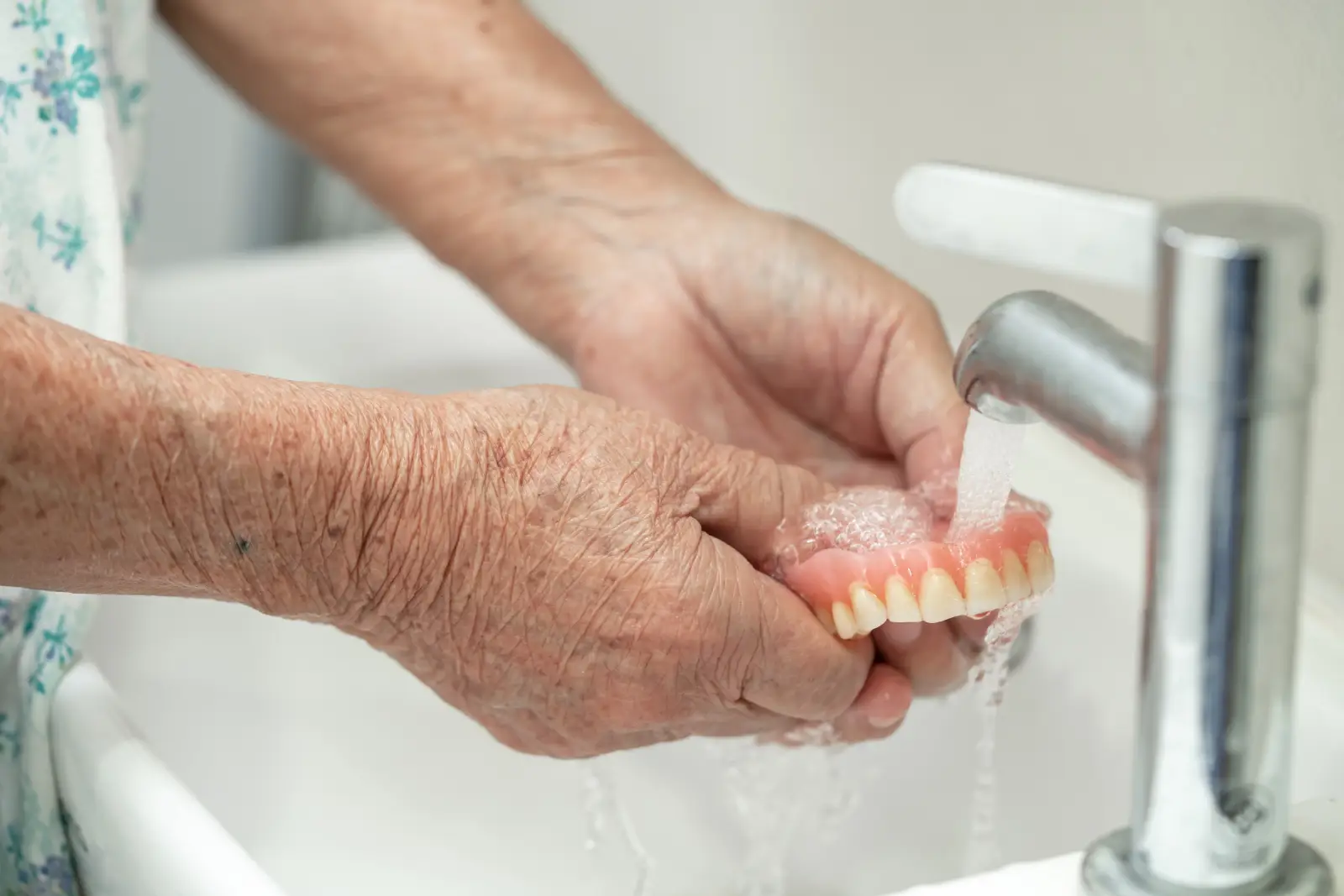
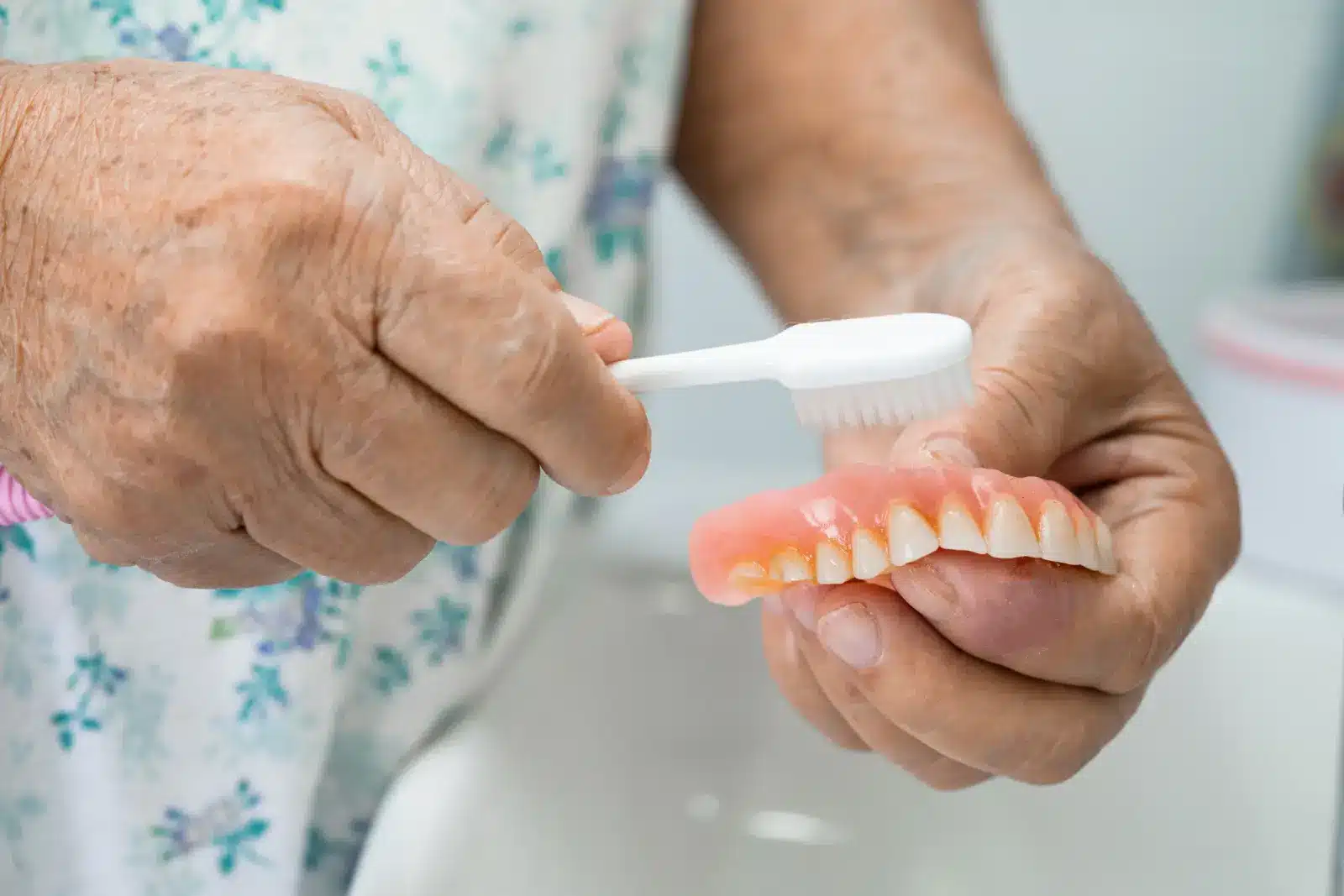
Clean your dentures outside your mouth under running water. Rinse your mouth separately. Dentures, especially acrylic ones, can chip or crack easily, so hold them over a bowl of water or a folded towel in case they slip from your hands.
Acrylic dentures do not like heat. Use cool or lukewarm water only – hot water can warp or damage the denture.

Denture Hygiene, Maintenance, Repair and Replacement

Well-made dentures are long-lasting and can often serve you for three to five years, but they still need regular review and small adjustments. As your mouth changes over time, your dentist may need to modify the fit or eventually replace the denture to keep it secure and comfortable.
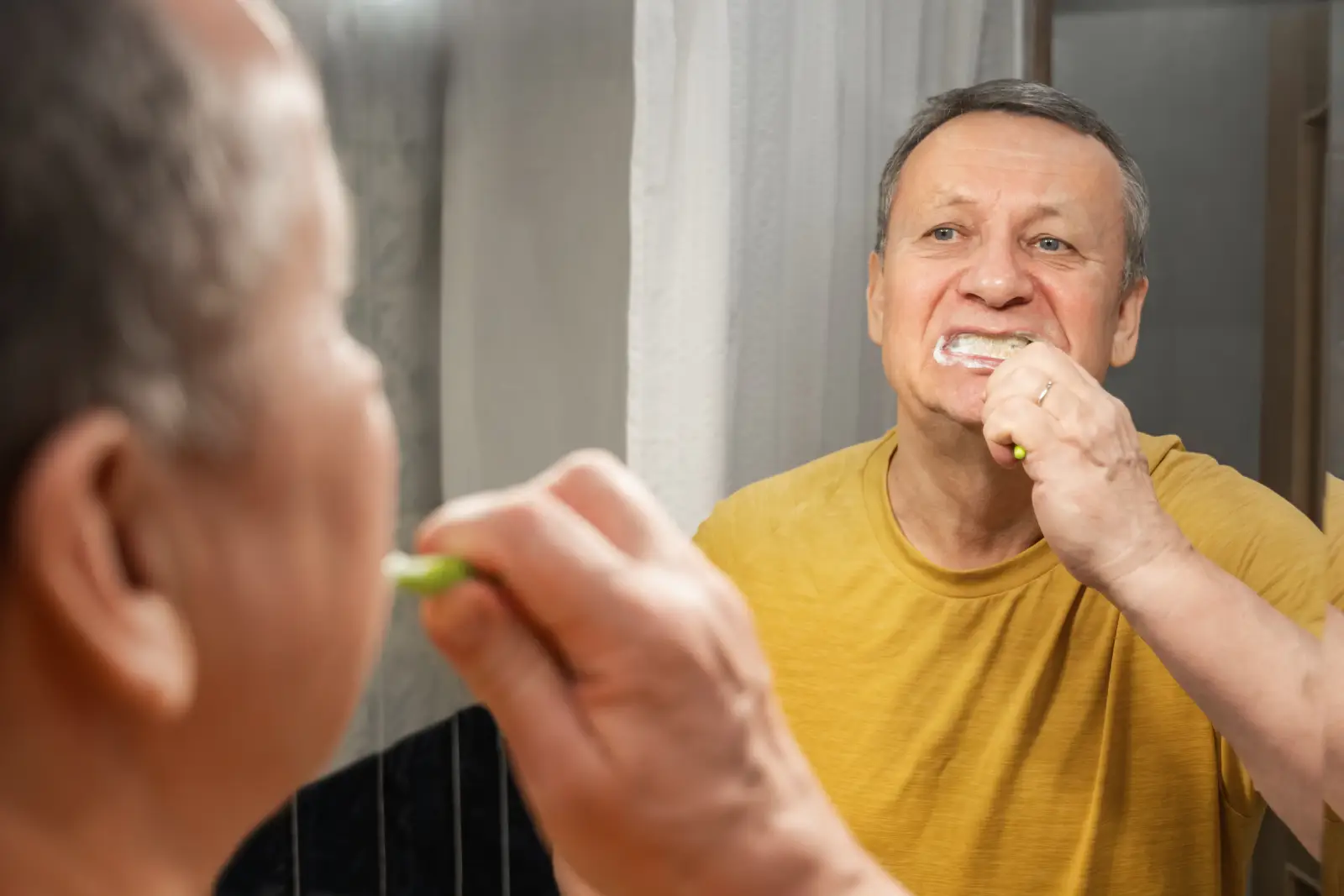
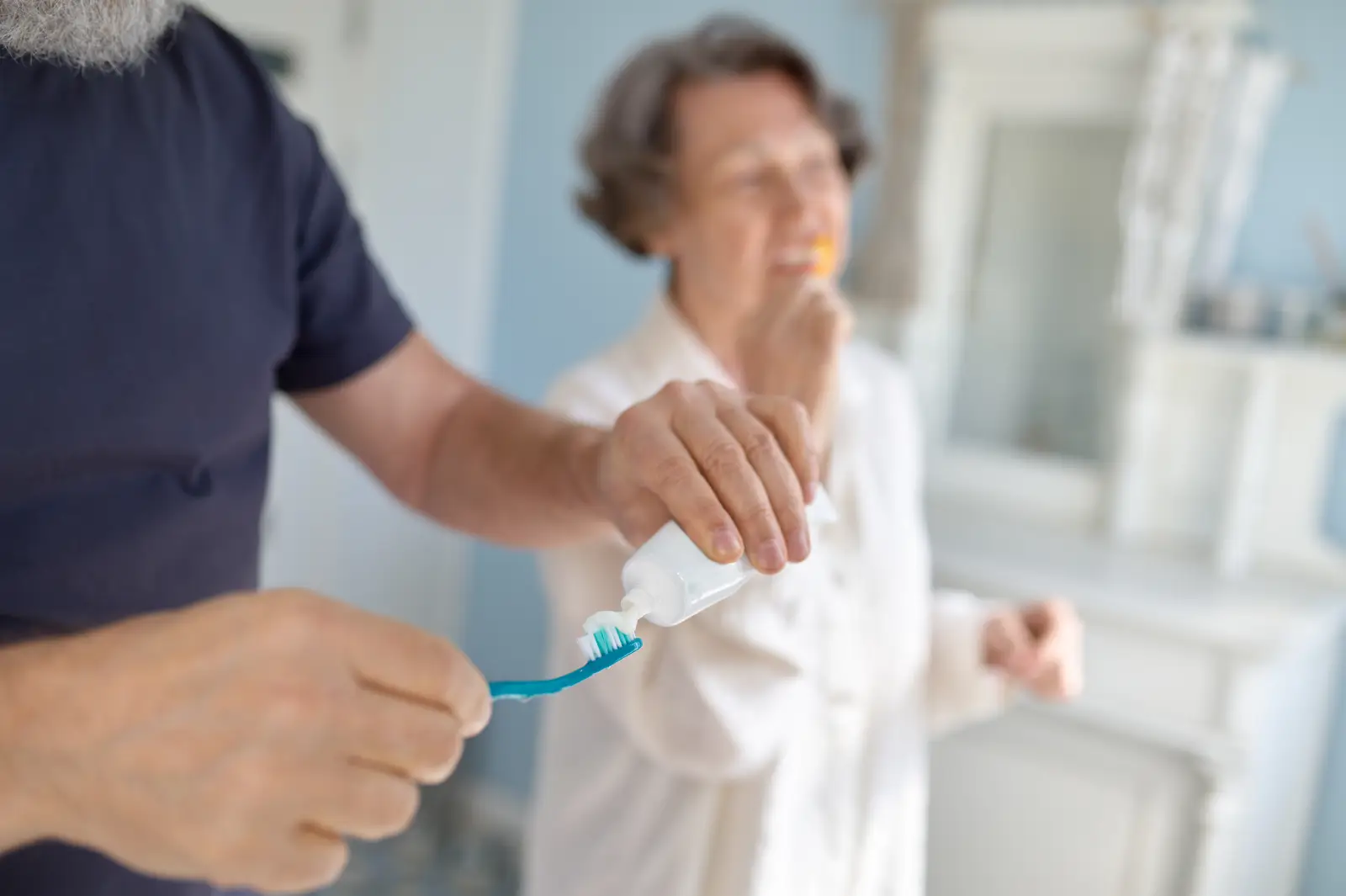
Remove removable dentures every night (or for a set period each day) to clean them properly. Soak them in denture cleanser or plain water, and in the morning, brush your gums, palate and tongue with a soft toothbrush before putting them back in. A poorly cleaned denture can lead to stains, gum irritation and bad breath, so aim to brush all denture surfaces at least once daily.
elderly maintaining dental hygiene

Immediate Denture Care After the First Week

Around a week after your immediate denture is fitted, your dentist may advise you to leave it out overnight so the tissues can rest. Follow-up visits are usually needed to smooth any sore spots and fine-tune the fit. Your Dental Nook dentist will let you know how often these review appointments should be booked.

Keeping Your Denture Moist – Check with Your Dentist

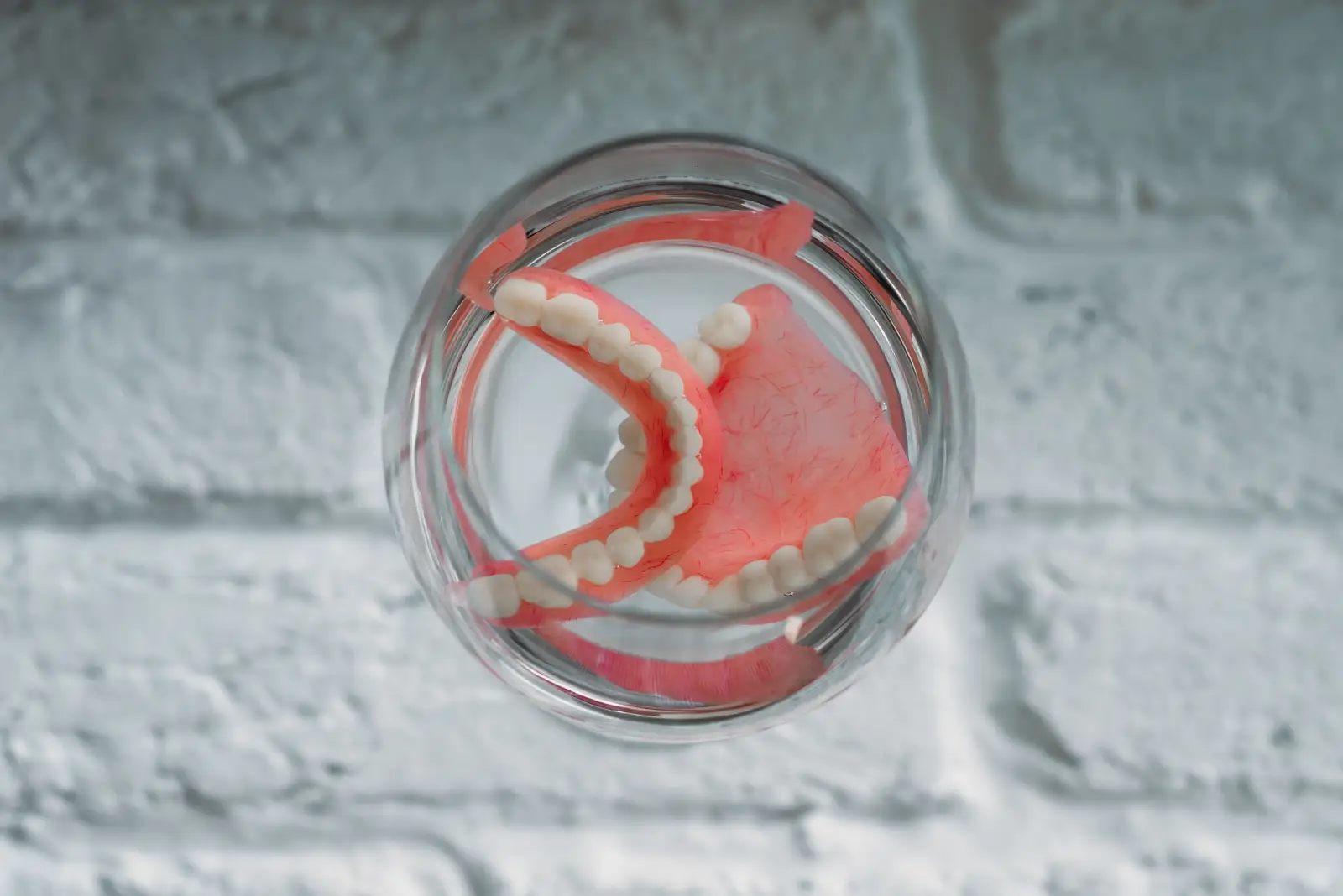
Most traditional dentures should be kept moist whenever they are out of your mouth to help them keep their shape. If you use a soaking solution, always rinse the denture well with water before wearing it again, as the solution can irritate your mouth or stomach if swallowed.Well-made dentures are long-lasting and can often serve you for three to five years, but they still need regular review and small adjustments. As your mouth changes over time, your dentist may need to modify the fit or eventually replace the denture to keep it secure and comfortable.
Some modern denture materials do not need to be stored in liquid. Your dentist will tell you the best way to look after your specific denture.
dentures should be kept moist
dental hygiene

Nothing Is Better Than Your Natural Teeth

Even the most advanced dentures cannot fully match the strength and function of healthy natural teeth. Protect the teeth you still have with thorough daily brushing and flossing, regular check-ups and cleans, and using a mouthguard when recommended. Looking after your natural teeth is still the best long-term option for a strong, confident smile.

Loose Dentures

If your denture starts to feel loose, arrange a visit with your dentist as soon as you can. A loose denture can rub, cause sore spots and feel uncomfortable. Your Dental Nook dentist can adjust the fit and make sure the tissues under your denture are healthy.
cleaning denture

Denture Adhesives

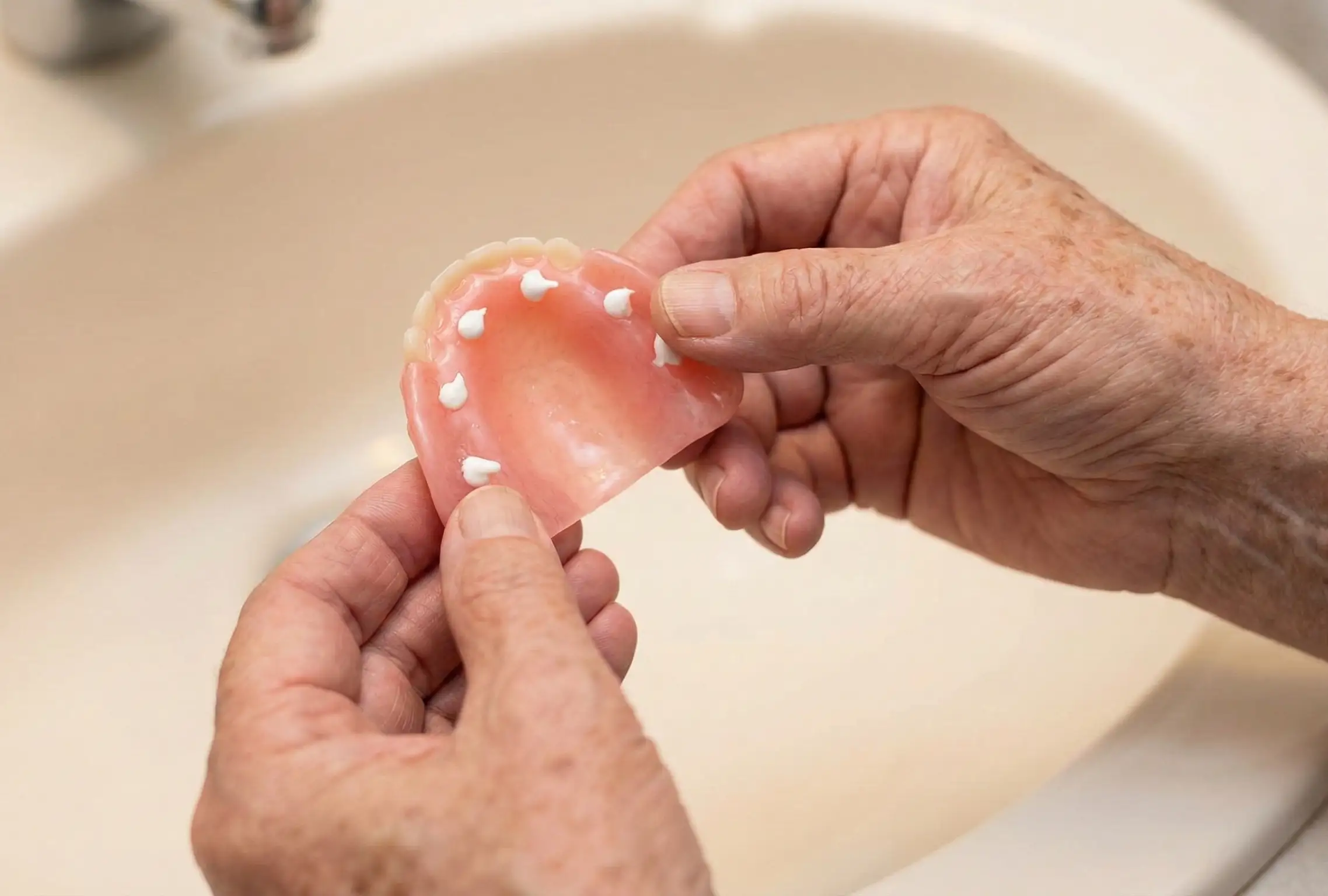
A well-made denture should stay in place without adhesive. Over time, the jawbone can gradually shrink, creating small gaps under the denture. In these situations, a denture adhesive may be recommended to improve stability and hold until a more permanent adjustment or remake is done.

Getting Used to Eating with Your Denture

If you are wearing a denture for the first time, give yourself time to learn to chew with it. Start with soft foods, cut into small pieces, and avoid sticky or very hard foods at the beginning. For some people, it can take a few months before eating with dentures feels natural.
dentures

Limitations of Dentures

Dentures are not the ideal solution for everyone. Your dentist will consider several factors – such as gum health, decay risk and how many teeth are missing – before recommending dentures as a treatment option.
Some patients may develop sore areas on the gums if the denture is not stable. It can also take time for the muscles of the cheeks and tongue to adapt, so speech and chewing may feel different at first. Even with a good fit, dentures do not match the biting and chewing power of natural teeth, and fixed options such as dental implants generally provide stronger function than removable dentures.
Dentures also need consistent care: daily cleaning at home and occasional maintenance or relining at the dental clinic or lab. When they are well cared for and regularly reviewed by your Dental Nook team, dentures can still offer a comfortable, functional solution for many people who have lost some or all of their teeth.
denture

Request an Appointment Online

Please note that this is not an actual appointment, but only a request for one. We Will Contact you for a confirmation shortly after. Thank you!