
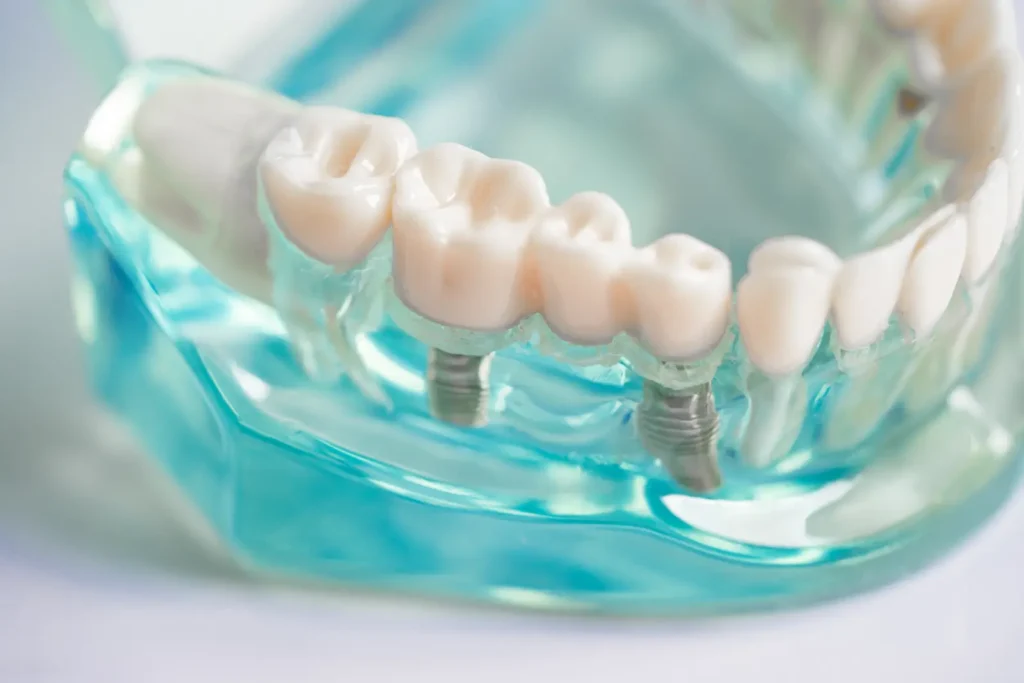
At Dental Nook, dental implants provide a reliable solution for replacing missing teeth. For many patients, implants can last for many years with good care. While dentures are another replacement choice, implants are usually more secure, easier to maintain, more comfortable and closer in appearance to natural teeth.
Our experienced implant team in Brisbane is committed to delivering high-quality, dependable treatment to restore your smile. By utilising modern implant techniques, we aim to provide a seamless process that restores both the function and appearance of your natural teeth.
If you have lost a tooth, common replacement options include:
Some people find that living with one or more missing teeth is painful or makes eating difficult. Others feel self-conscious about gaps in their smile and may avoid speaking or smiling freely. Dentures and bridges can close the space, although they may not always feel as natural as your original teeth.
Your Brisbane dentist at Dental Nook may suggest a dental implant as a suitable solution. An implant-supported tooth can replace the missing tooth with a restoration that is durable, secure and natural-looking.
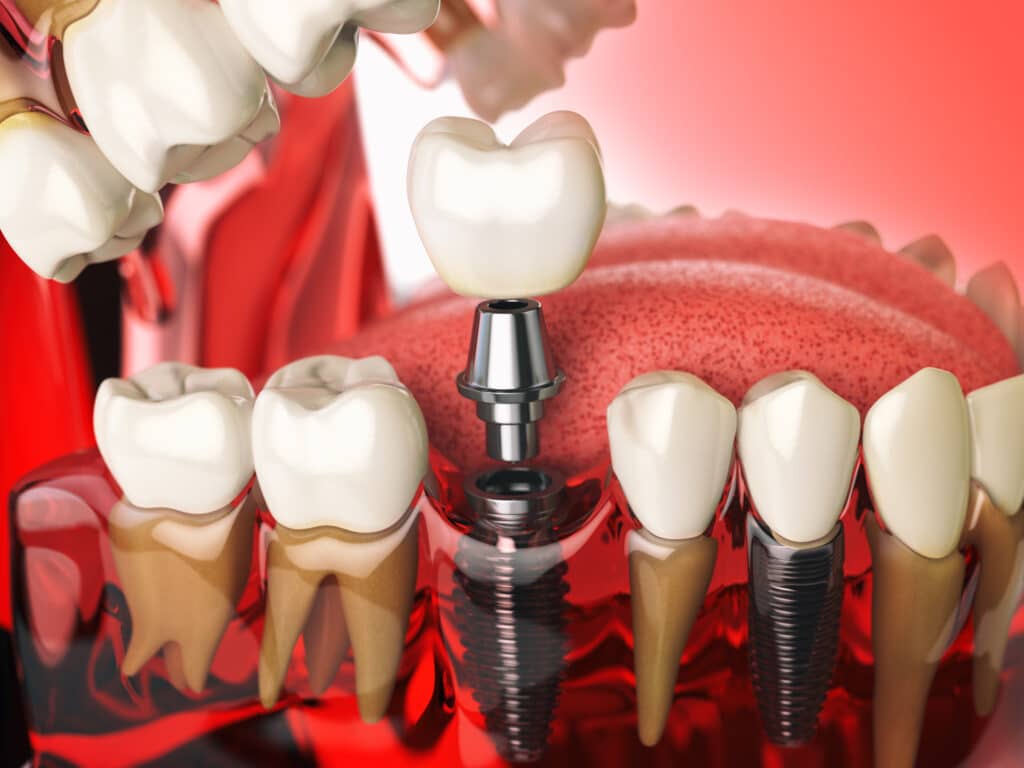
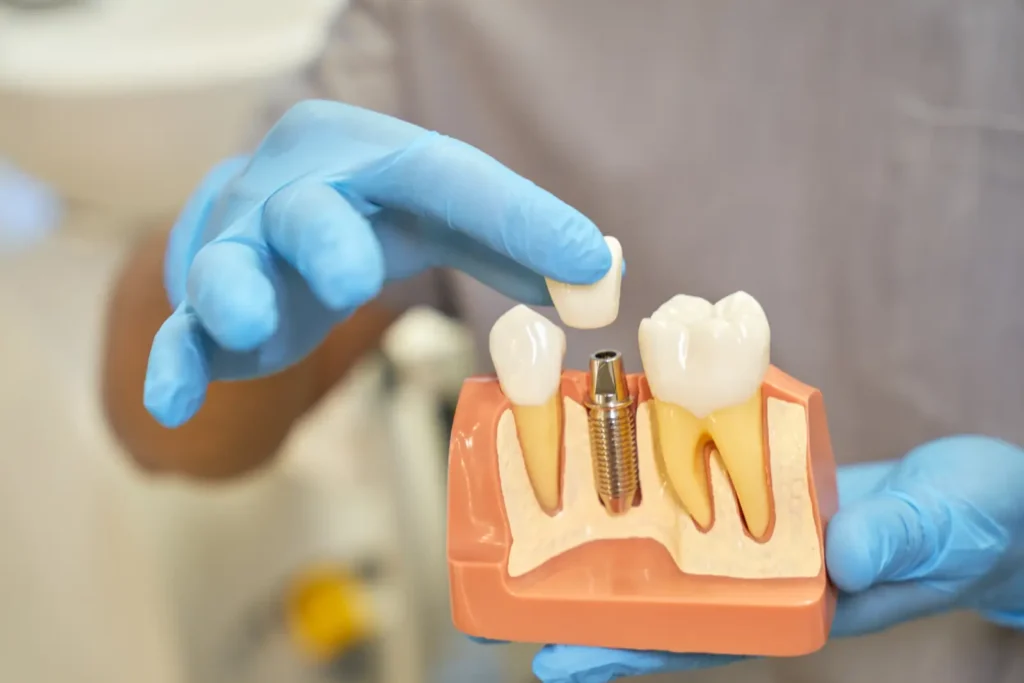
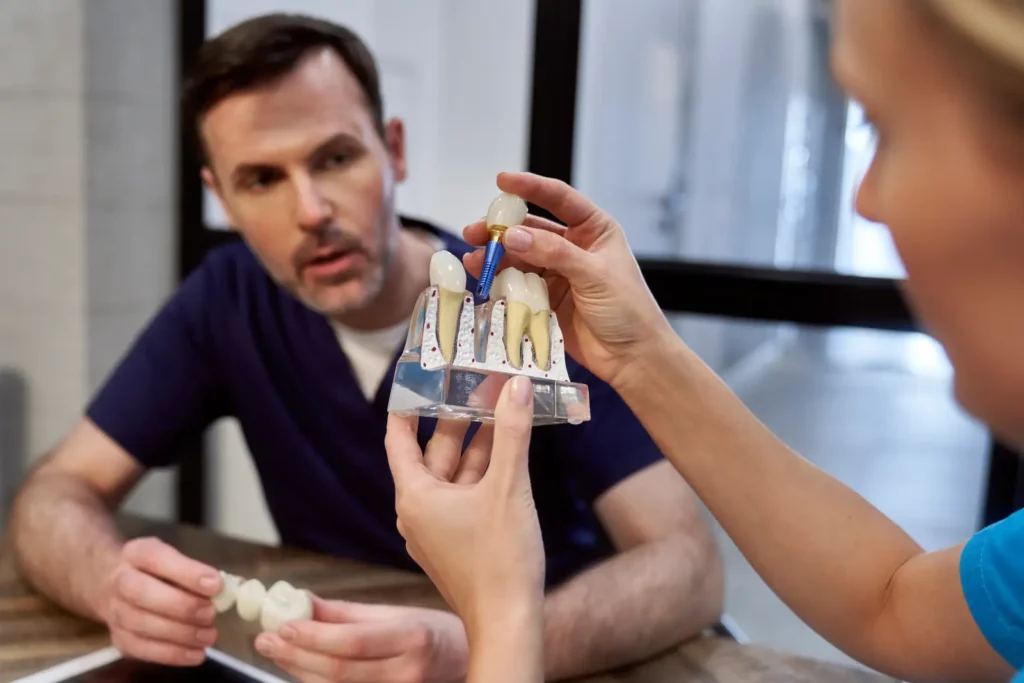
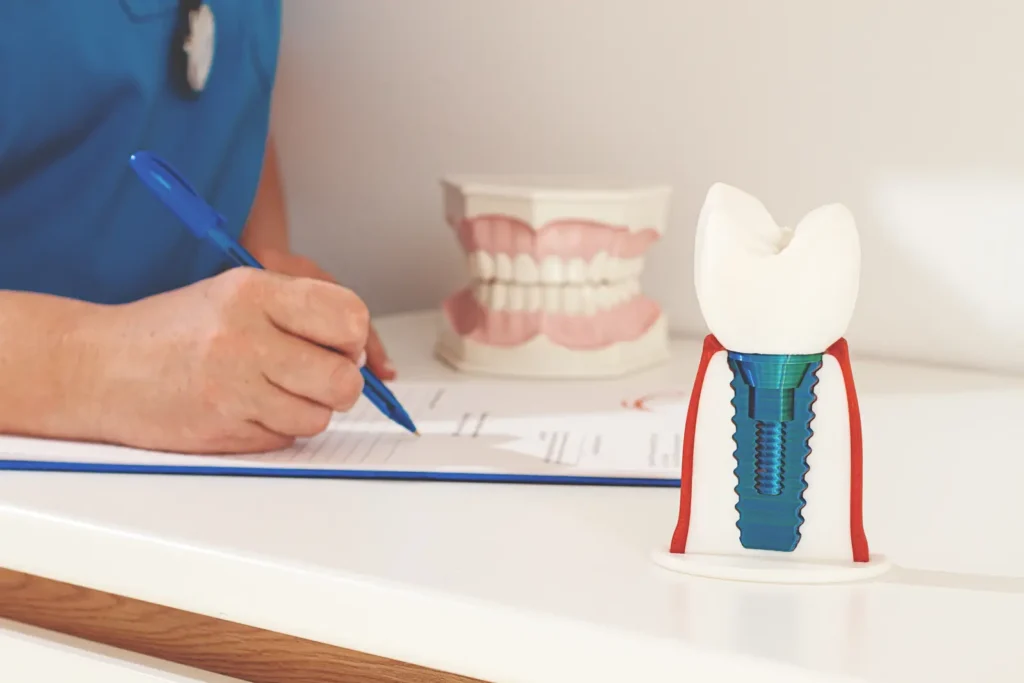
A dental implant is a replacement for a missing tooth that involves placing a small titanium post into the jawbone to act as an artificial root. The full implant restoration has three parts: the post, a connector and a crown. Once the post has fused with the bone, a custom-made tooth is attached to it, creating a strong and stable result. Dental implant treatment at Dental Nook can improve appearance, function and overall oral health.
A dental implant consists of
Dental implants are a sound long-term investment because they do not usually need to be replaced after only a few years, unlike some bridges and dentures.
When replacing a single missing tooth, our Brisbane dentists often recommend an implant because it allows the remaining teeth to stay intact. With a traditional bridge, the teeth on either side of the space must be reshaped so the bridge can be attached, which means removing healthy tooth structure. A bridge can stop teeth from drifting, but it does not protect the jawbone in the same way an implant does.
Implant Alternative
In certain situations, a dental bridge may still be the better choice, for example, if a patient cannot undergo minor surgical procedures. Bridges can be an excellent option for people who are not suitable candidates for implant surgery.
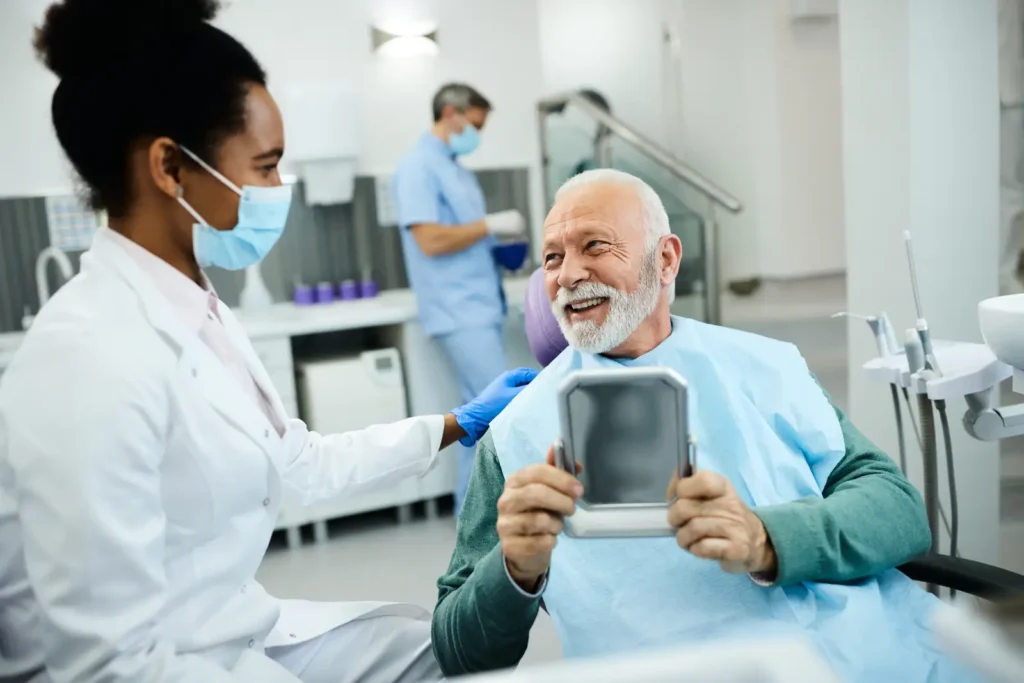
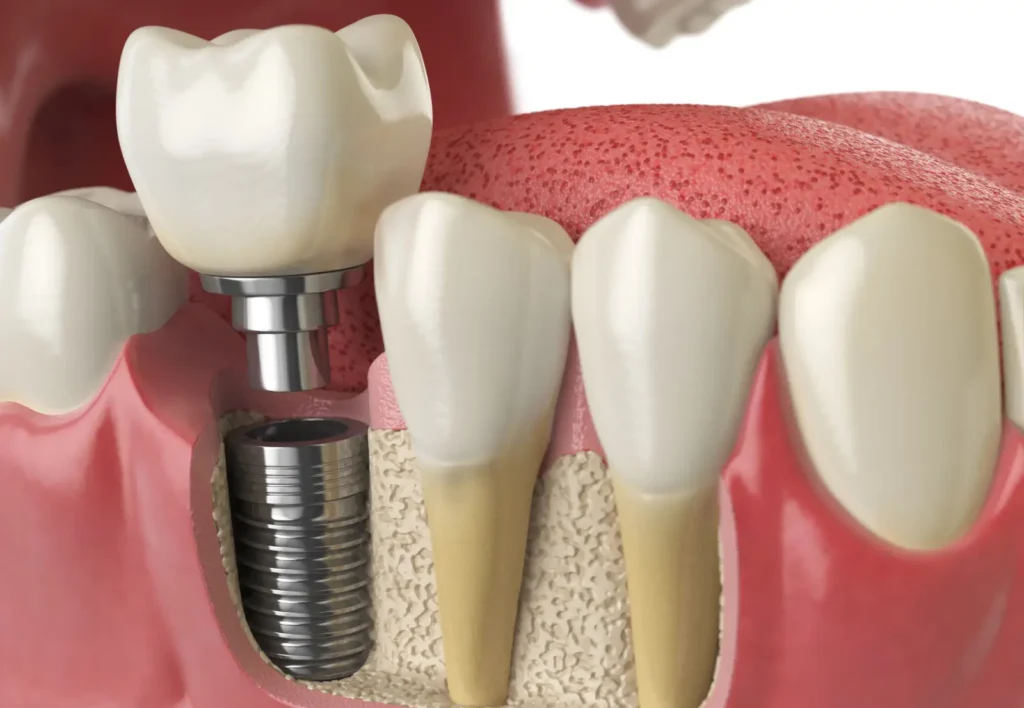
At Dental Nook, our dental implants are designed to look, feel and function like natural teeth. Many of our Brisbane patients choose implants to restore their ability to chew comfortably after losing a tooth. Dental implants can also support your overall health and give a welcome boost to your confidence.
Bone Loss
Dentures can replace missing teeth and help stop neighbouring teeth from tilting into the space. However, they do not prevent the underlying bone from shrinking, which can eventually change the shape of your face.
Dental implants are considered the most secure and long-lasting way to replace missing teeth. Because they act like artificial tooth roots, they stimulate the jawbone and help keep it strong. When teeth are lost, the jawbone can slowly shrink, but implants encourage the bone to stay healthy, similar to natural tooth roots.
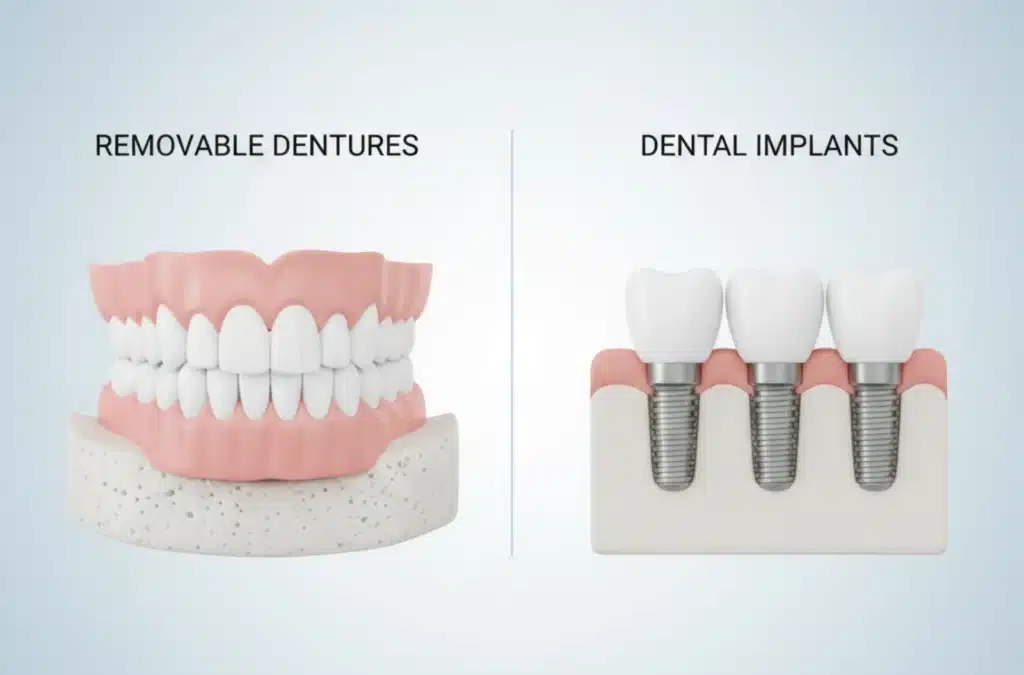
In many cases, a dental implant provided by our Brisbane implant team is the preferred option.

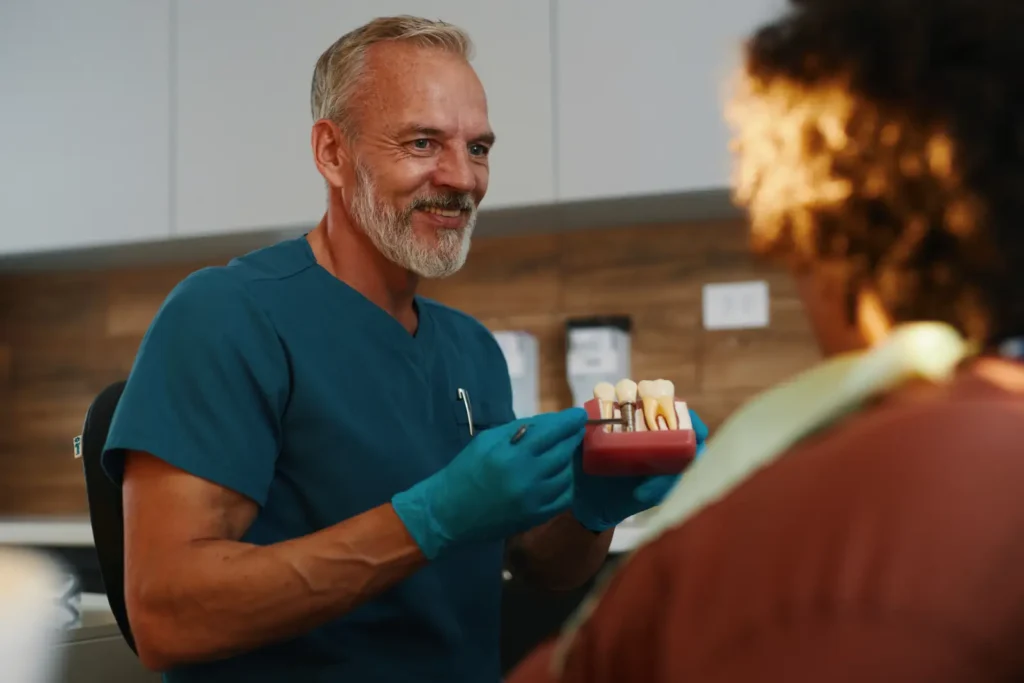
Yes. The implant post is inserted surgically into the jawbone. Over the next few months, the bone grows around the post and bonds with it. Once this has happened, a lifelike crown is attached to the connector on top of the implant.
With your completed implant, you can chew, talk and smile as you would with a natural tooth.
Occasionally, a tooth is too damaged to save. In that situation, the tooth needs to be removed before an implant can be placed.
If you feel anxious about treatment, we can discuss sedation options to help you stay relaxed and comfortable. Our dentists are experienced in gentle extractions and use precise techniques to minimise discomfort and shorten appointment time.
Removing a severely damaged tooth is an important first step so that a strong, healthy implant can be placed in its position later on, helping restore your smile and bite.
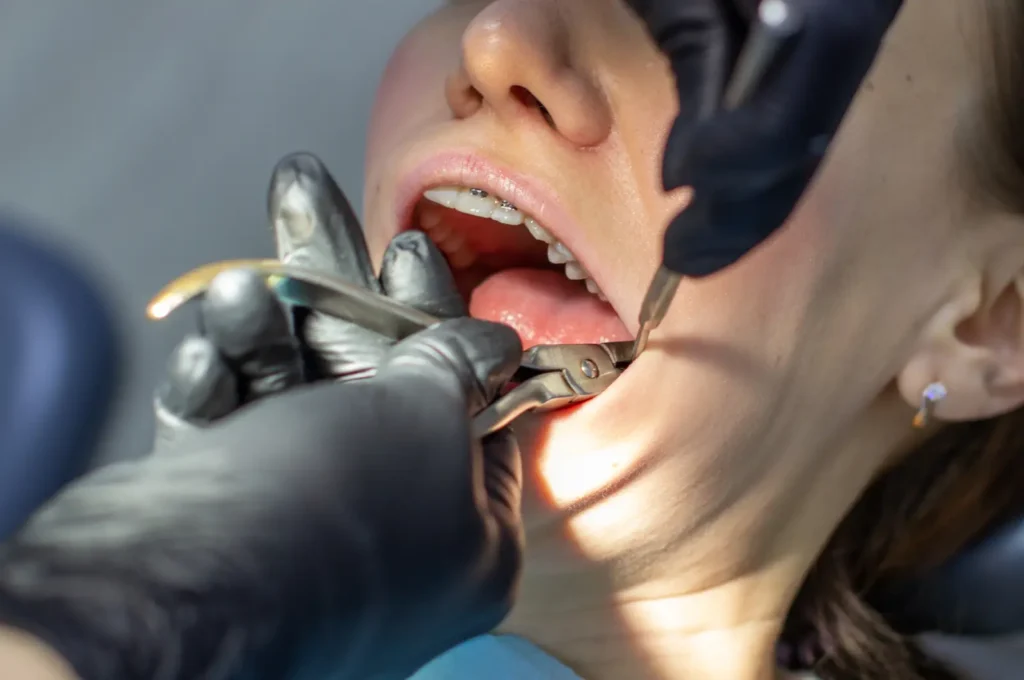
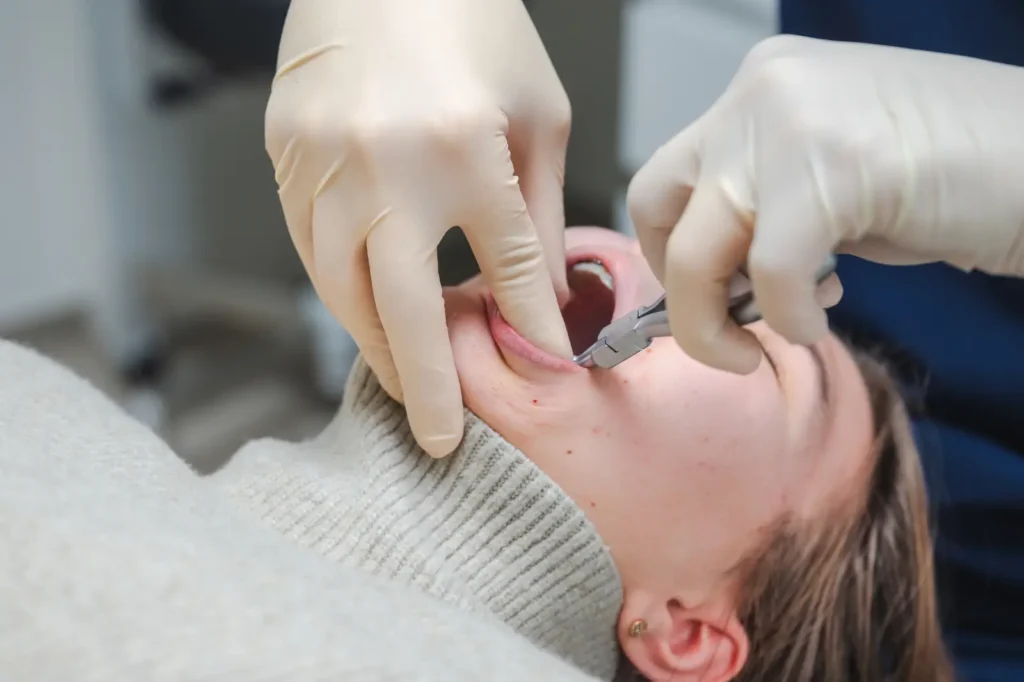
The Dental Nook team takes a conservative approach to extractions. We:
Once the compromised tooth has been safely removed and healing has progressed, your dentist can begin the implant phase.
Implants are not the best choice for everyone. People who may not be ideal candidates include:
Implant costs can vary from person to person. At your consultation, your Dental Nook dentist will:
Endosteal Implants
These implants are placed directly into the jawbone and are the most commonly used type. They provide a strong, secure foundation for the replacement tooth or teeth.
Subperiosteal Implants
These implants sit under the gum but above the jawbone. They may be considered for patients who do not have enough bone height or density to support a traditional endosteal implant and who are not suitable for bone grafting.
We take the necessary radiographs and records so we can accurately plan the position of your implant.
Using this information, we design an implant treatment plan tailored to your needs, including timing, costs and any supporting procedures.
Every implant journey at Dental Nook begins with an initial consultation. During this visit, your dentist will:
After planning, the implant post is placed gently into the jawbone. When healing is complete and the post has integrated with the bone, we fit a replacement tooth or teeth to complete your new smile.
The first stage is a detailed consultation to plan your implant treatment properly. This may include:
Because adequate bone is essential for successful implants, several types of imaging may be required, such as Cone Beam CT (3D X-ray), periapical radiographs and OPG scans. These records allow us to design a comprehensive and safe implant plan.
Before placing an implant, the surrounding teeth and gums must be healthy. We may recommend:
In some cases, bone augmentation or grafting is needed to provide enough support for the implant.
The implant is placed into the jawbone under local anaesthetic, with appropriate antibiotic cover if required. Depending on the case, this may be done at the same time as tooth removal or 10–16 weeks later.
A temporary crown or other provisional restoration may be provided while the implant heals. In a two-stage approach, the implant may be covered by the gum or stitched in place and uncovered with a minor second surgery 12–26 weeks later.
Once the implant has fully integrated with the bone, we move to the final restoration stage. This usually involves a porcelain crown or bridge that is connected to the implant via an abutment. Several appointments are needed to:
Successful implants rely on good long-term maintenance. At Dental Nook, we:
Daily brushing, flossing, and any special cleaning aids recommended by your dentist are essential for the life of the implant.
Clinical studies show that, in suitable patients and with proper care, dental implants can achieve success rates of more than 95%.
The body’s ability to integrate the implant depends on many factors, including:
While it is not possible to guarantee the lifespan of any individual implant, careful case selection, good surgical technique and regular maintenance greatly increase the likelihood of long-term success. At Dental Nook, we take these factors into account to give your implants the best possible chance to perform well for many years.
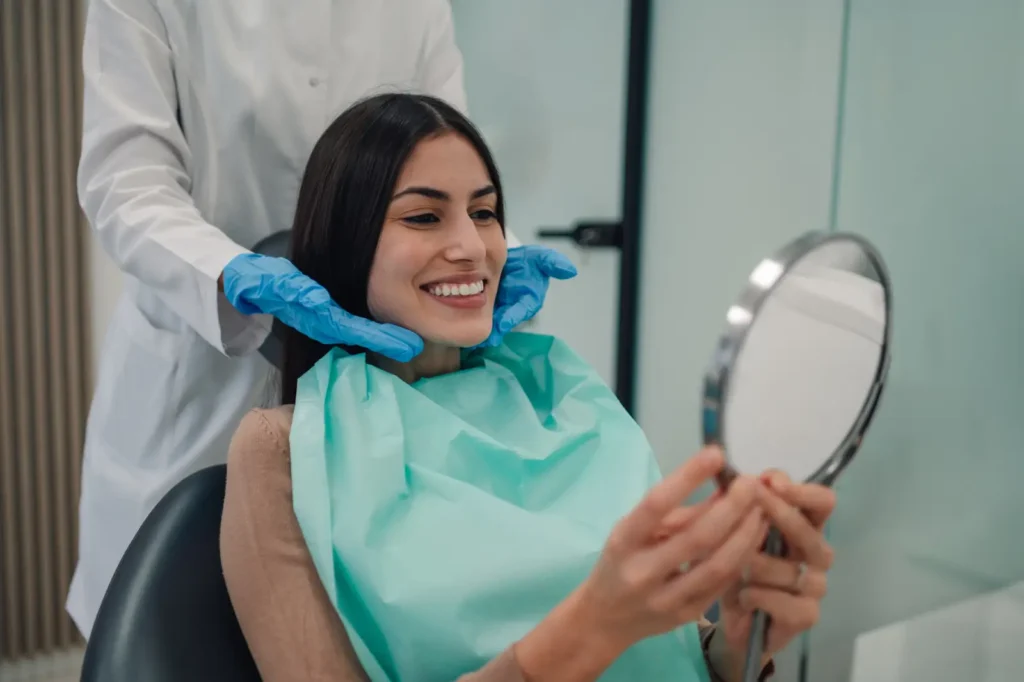
At Dental Nook Brisbane, our implant services are provided by experienced clinicians who focus on both clinical quality and patient comfort. Our team is trained in modern implant placement and restoration techniques and uses contemporary implant systems and digital planning technology.
We are committed to delivering predictable, high-standard implant care for patients in Brisbane, with a strong emphasis on appearance, function and long-term oral health.
Please note that this is not an actual appointment, but only a request for one. We will contact you for a confirmation shortly after. Thank you!