Increasing Dental Implant Success Rate in Brisbane

dental implant success at dental nook

Dental implant success at Dental Nook

Dental implants are now one of the most reliable methods for replacing missing teeth and restoring both function and appearance. For many patients, implants feel and look very similar to natural teeth and can greatly improve day-to-day comfort and confidence.

With modern techniques, careful planning and experienced clinicians, the success rate of dental implants is very high. Most implant fixtures are made from medical-grade titanium, a material that is well accepted by the body. When the implant integrates firmly with the surrounding jawbone and the gums heal without infection, the treatment is considered successful.

On average, dental implants achieve a success rate of around 90-95% worldwide, which is regarded as an excellent outcome for a surgical dental procedure. However, every mouth is different, and a number of factors can influence how well an implant heals and how long it lasts.

Factors that can affect dental implant success

Good results depend on thorough assessment and planning before treatment. When this step is rushed or incomplete, the risk of problems increases. Other factors that may reduce the long-term success of dental implants include
  • the general health and strength of the jawbone
  • existing or untreated gum disease
  • active tooth decay in nearby teeth
  • certain medical conditions or medications
  • smoking and other lifestyle habits
  • poor or inconsistent oral hygiene.
At Dental Nook Brisbane, we take time to carefully evaluate these factors, personalise your treatment plan and support you with ongoing care to give your dental implants the best possible chance of long-term success.
senior woman looking at her smile
gum health

Gum Disease

Gum disease is an infection and inflammation of the gums that can damage the soft tissues and the bone that supports your teeth.
When gum disease is present, it can harm the mouth in many ways. It may cause tooth loss and also affect the tissues around a dental implant. Over time these changes can interfere with the way an implant joins to the bone.

Why it matters: Gum disease is a serious oral health issue and should be treated as early as possible to avoid further problems. In many cases, poor daily cleaning habits are an important cause of gum disease and can increase the risk of complications around implants.

Smoking

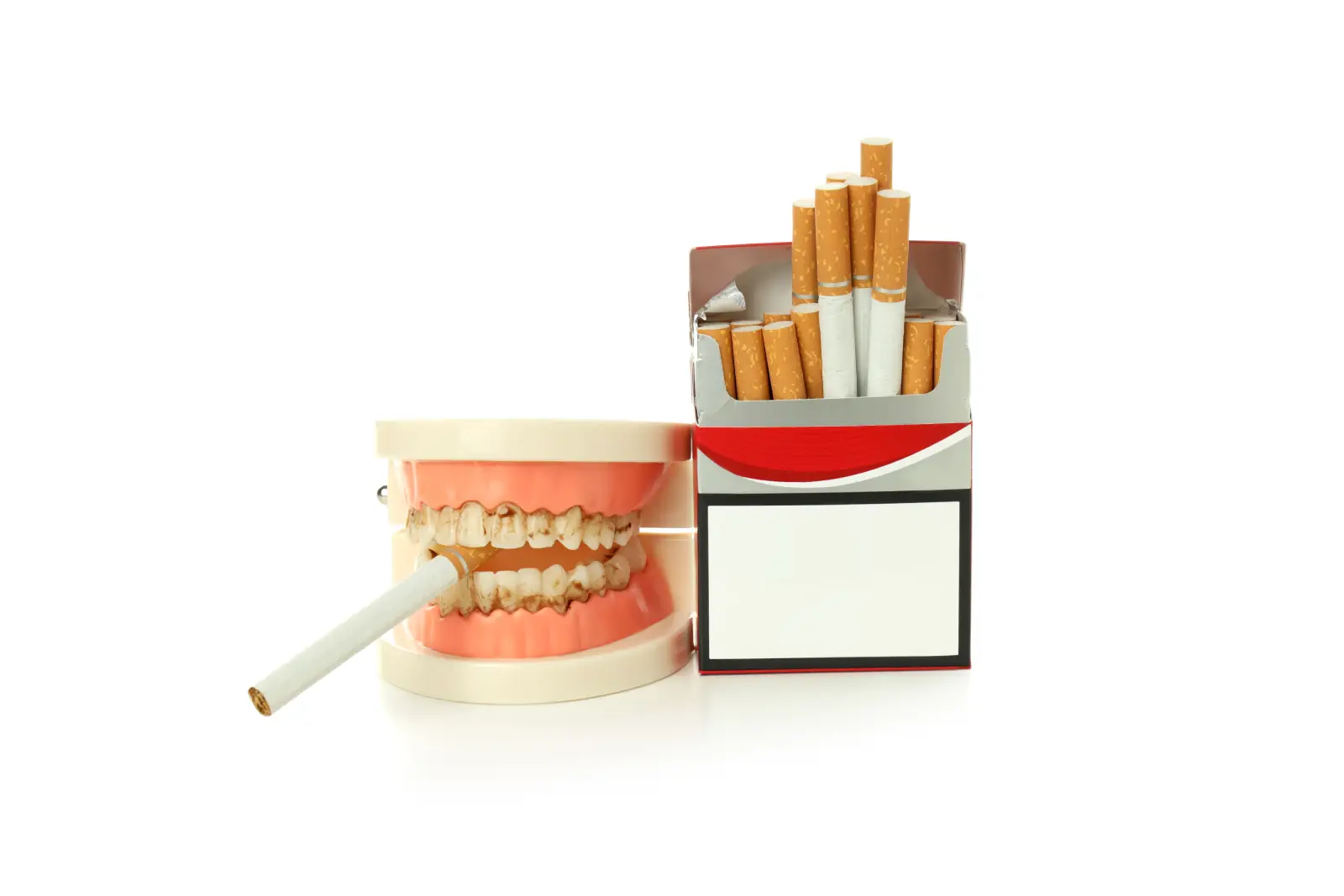
Smoking is strongly linked with a higher chance of dental implant problems. It has an ongoing impact on the health of your gums and the implant site.
Nicotine narrows blood vessels and reduces the blood flow that is needed for healing. This can slow recovery after implant surgery, raise the chance of infection and increase the risk of implant failure.
Some dentists will delay or refuse implant treatment for people who continue to smoke because the failure rate is much higher. Often, patients are asked to stop smoking for several weeks before surgery and to remain smoke-free for at least two weeks after the procedure.

Extra note: Heavy alcohol use can also interfere with healing and may increase the chance that an implant will not succeed.

Certain Medical Conditions

Some health conditions can influence how well a dental implant heals and how strong it becomes in the jaw.
Conditions such as diabetes can raise the risk of inflammation and make it harder for the implant to bond fully with the bone. When blood sugar is not well controlled, gum disease and a condition called peri-implantitis are more likely. This, in turn, can lead to implant failure.

What Is Peri-Implantitis?

Peri-implantitis is an inflammatory condition that affects the tissues around a dental implant. Oral bacteria and plaque can collect on the implant surface and form a sticky biofilm.
As peri-implantitis develops, the soft tissue becomes inflamed, and the surrounding jawbone begins to break down. If this continues untreated, the bone that supports the implant can be lost, and the implant may eventually fail.
Unfortunately, many people do not notice early symptoms. The condition is often painless until it becomes advanced.
Lack of good daily cleaning, smoking, poorly controlled diabetes and some other medical issues such as osteoporosis are all recognised risk factors for peri implantitis.

Sufficient Bone in Your Jaw

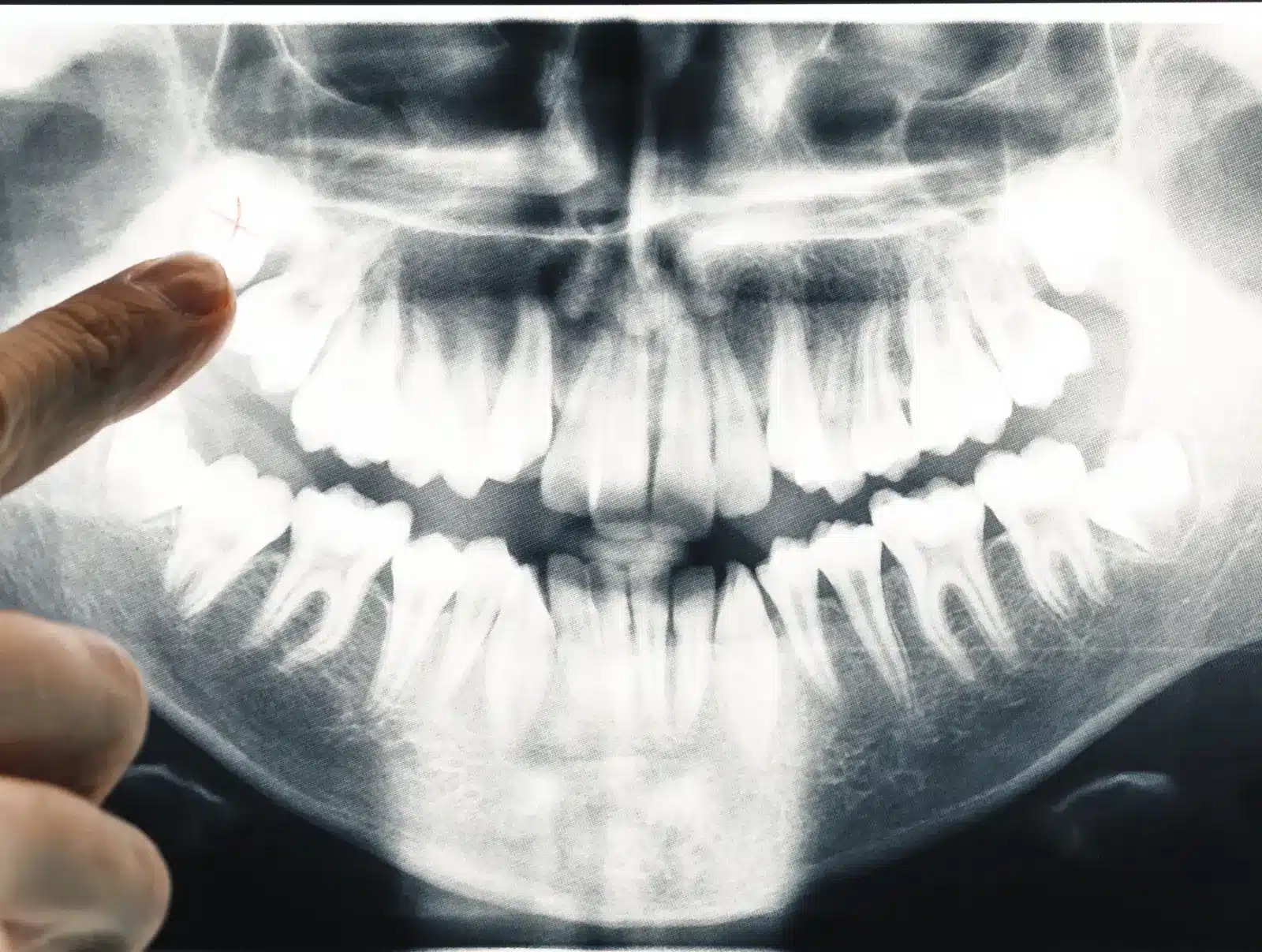
The amount and quality of bone in your jaw are key factors in implant success. If the jaw bone is thin or has shrunk over time it may not have enough width or height to support an implant safely. In these cases the risk of implant failure is higher.
dental xray

Osseointegration

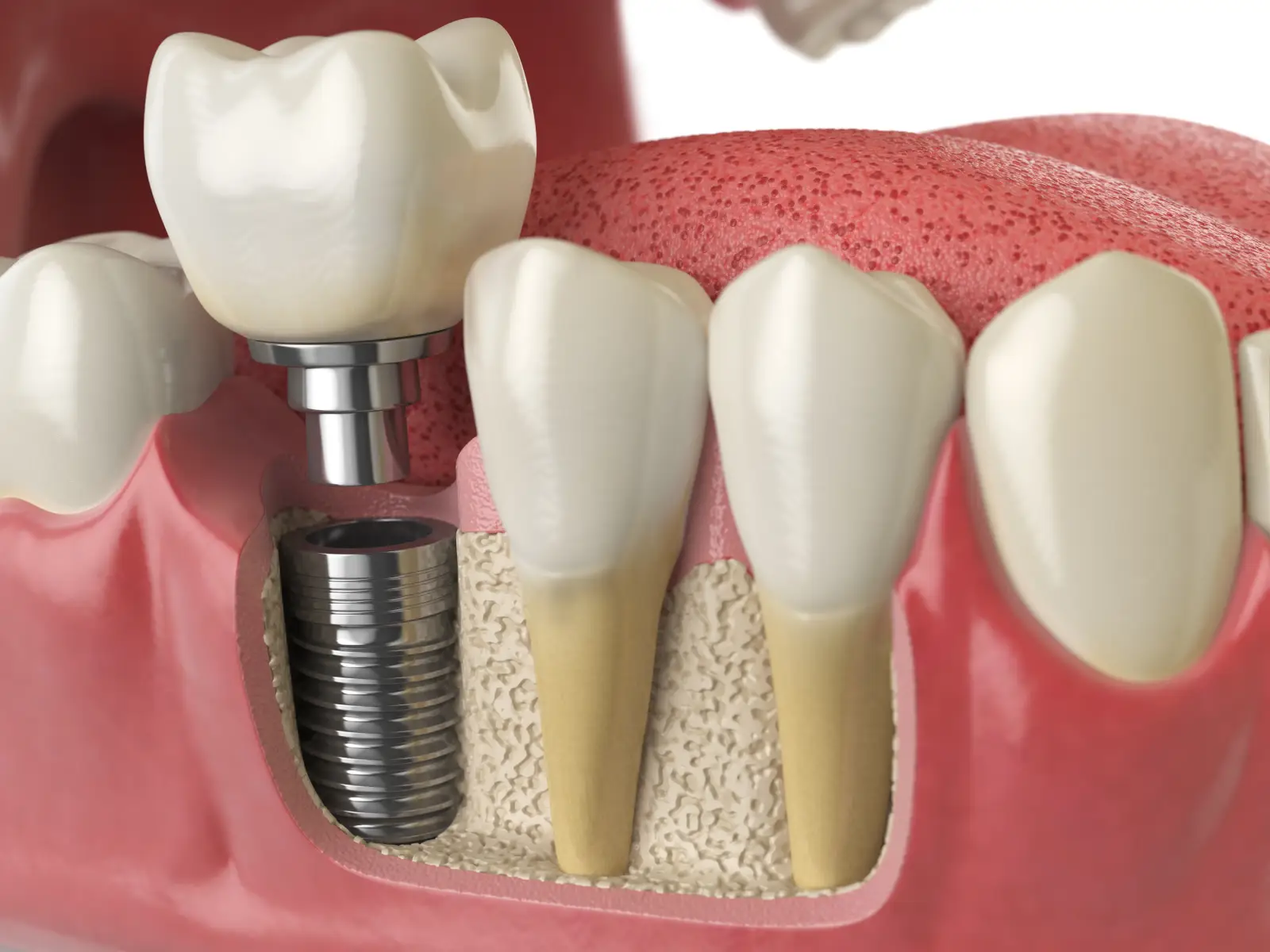
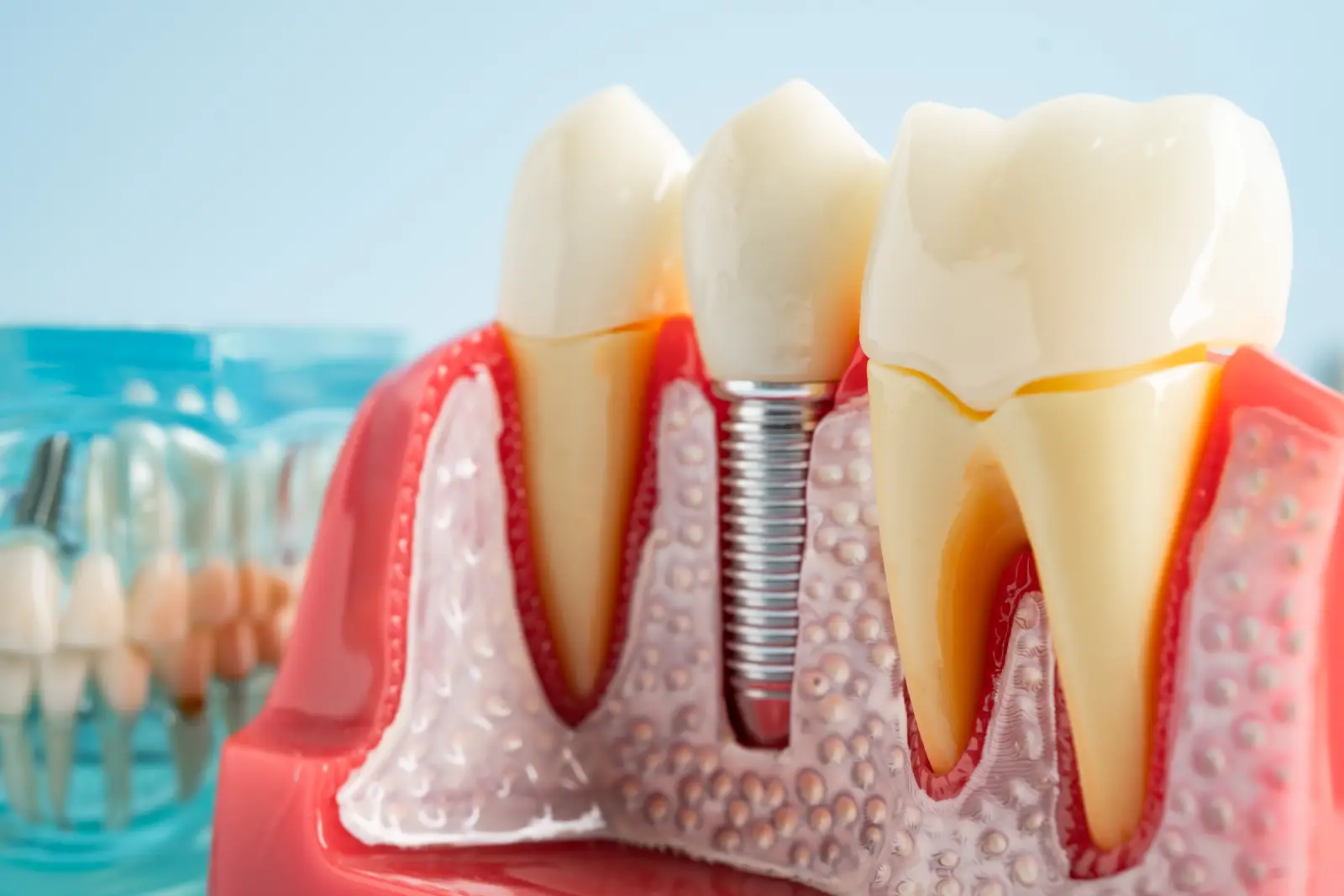
When an implant is placed it becomes part of the jaw through a process called osseointegration. The surface of the implant and the living bone gradually fuse together to form a strong foundation. Anything that interrupts this process can compromise the long term outcome.

Bone Graft

If there is not enough bone, your dentist may suggest a bone graft. This procedure is carried out before or at the time of implant placement.
A bone graft involves adding bone material to the jaw so that there is a thicker and stronger base for the implant. The material can come from your own body or from a carefully selected donor or synthetic source.
By stimulating new bone growth and increasing bone volume, grafting can greatly improve the likelihood of a successful implant result.

Healthy Gums

Healthy gums are essential for long-term implant stability. Patients with healthy gums generally enjoy higher success rates.
Good home care is vital. Brushing twice a day, cleaning between the teeth, quitting smoking and attending regular check-ups at Dental Nook all help to remove bacteria and reduce inflammation. Left untreated, gum infections can progress to peri-implantitis and damage the bone around the implant.

Medication Effects on Dental Implant Outcome

Certain medicines can influence the healing of dental implants. Some drugs may support implant success, while others may increase the risk of complications. Always let your Dental Nook dentist know about every medication and supplement you take.

Medicines that may support implant success

Research suggests that the success rate can be higher in patients who take some blood pressure medicines such as beta blockers, although more studies are needed.

Medicines that may increase implant failure risk

Some heartburn medicines that reduce stomach acid can lower calcium absorption and may affect bone health. In people who take these medications long-term there might be a slightly higher chance of implant problems. Your dentist will discuss this with you during your consultation.
process of all on four dental implants

Implant Dentistry at Dental Nook

Living with missing teeth does not have to affect your confidence, comfort, or quality of life. Modern implant dentistry offers several effective solutions to restore your smile and improve everyday function. Depending on your needs, treatment options may include removable partial dentures, full dentures, single dental implants, or full-arch implant solutions.
Our experienced dentists carefully assess your individual situation to recommend the most suitable treatment. Factors such as your age, oral and general health, jawbone strength, and long-term goals are all considered to ensure the most suitable and predictable outcome.
One of the most advanced solutions available today is the All-on-4 dental implant technique, which has become a popular option for patients missing multiple teeth. This approach allows a full set of replacement teeth to be supported by just four strategically placed implants.

For many patients, All-on-4 dental implants can eliminate the need for loose or uncomfortable dentures, providing a stable, natural-looking smile that feels secure and permanent.
As with any dental procedure, it is important to fully understand the process, benefits, and considerations involved. We recommend learning about all available options and speaking with an experienced dentist before deciding if All-on-4 dental implants are right for you, so you can move forward with confidence and clarity.
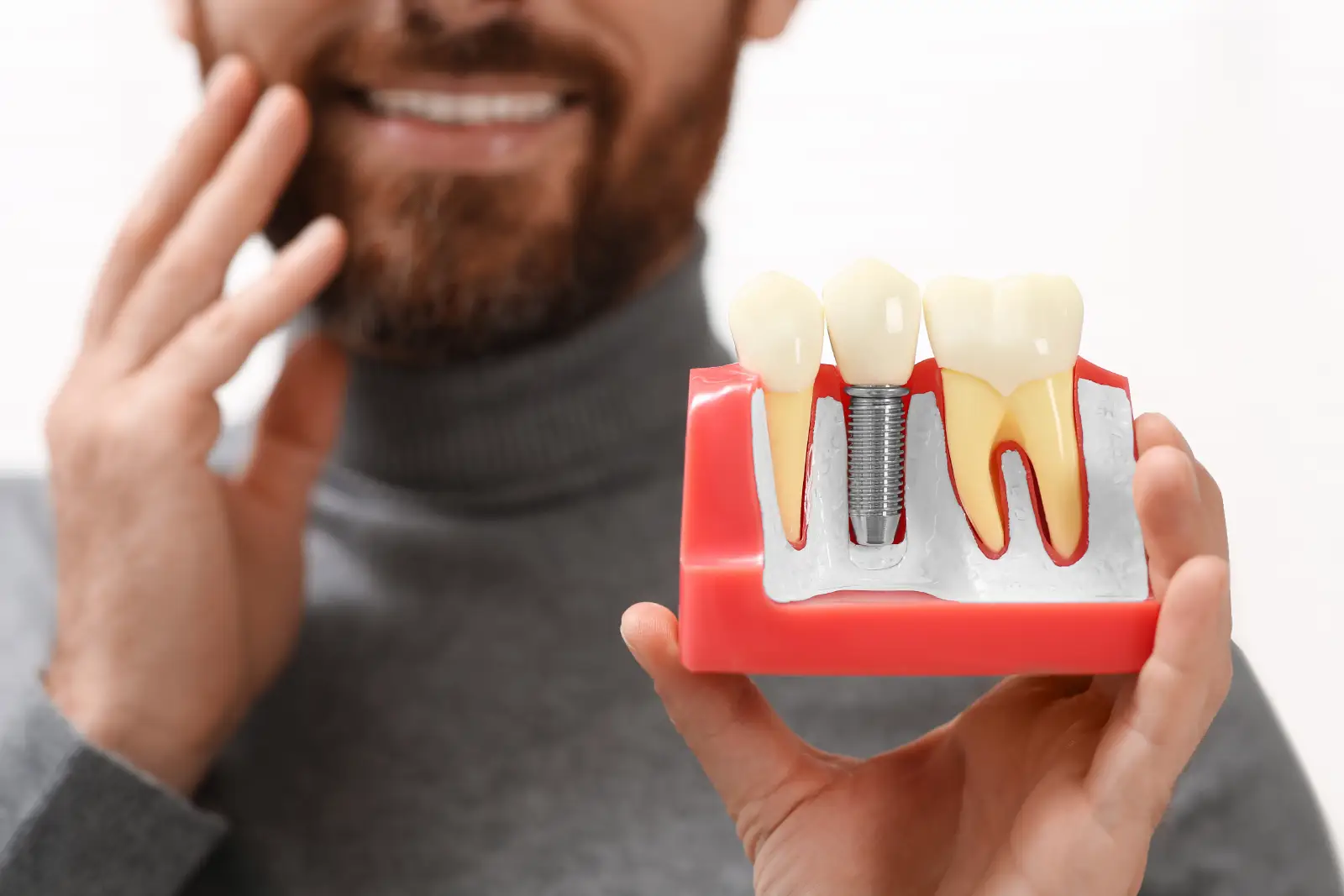
dental implant

Dental Implant Evaluation in Brisbane

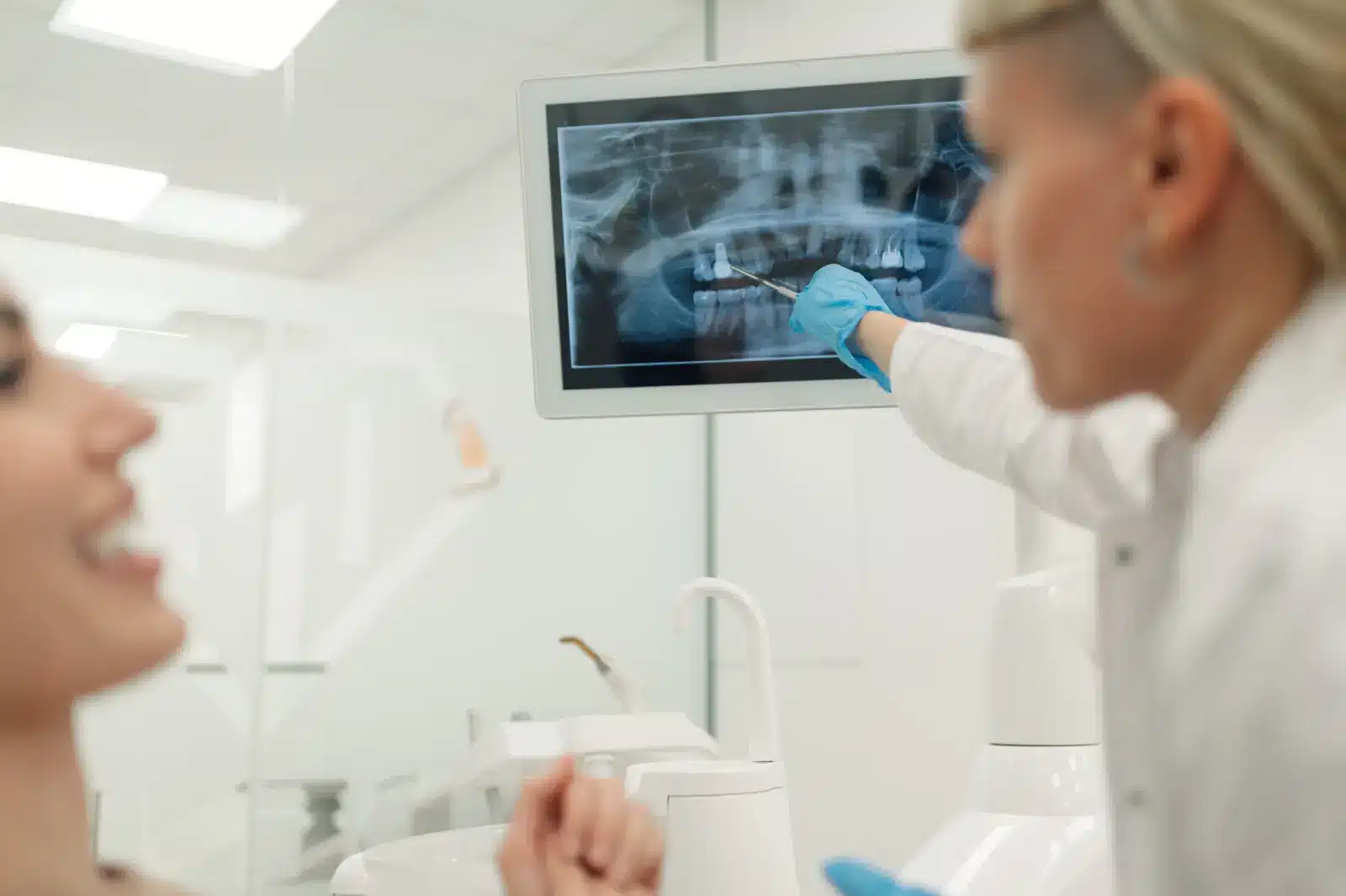
Before implant treatment begins, our team at Dental Nook carries out a thorough assessment. This helps us confirm that implants are suitable and allows us to plan a safe and predictable treatment.
The evaluation usually includes:
  • A detailed discussion of your medical and dental history
  • Clinical examination of your teeth, gums and bite
  • X-rays and 3D imaging if required
  • Review of your expectations and lifestyle factors
This information allows us to design a personalised plan that aims to maximise the success rate and reduce the risk of complications.

Considering Your Investment

Implant treatment is both a medical and a financial commitment. During your consultation, we will:
  • Talk about your oral hygiene habits and whether they support implant success
  • Discuss your willingness to attend follow-up visits and maintain daily cleaning
  • Explain the stages of treatment, the likely time frame and the expected costs
We aim to ensure that your decision is well-informed and that you feel confident about the process.

Patients’ Expectations

Every person arrives with different expectations about how implants will look and feel. At Dental Nook we take time to understand what you hope to achieve and to explain what is realistic in your individual case. Clear and honest communication helps avoid disappointment and leads to better long term satisfaction.

Prosthesis Maintenance

Implant surgery is only one part of the journey. Long term maintenance of the implant crown or bridge is just as important.
During the initial visit, we will:
  • Emphasise the need for careful cleaning around the implant
  • Show you the most suitable brushes and floss to use
  • Explain the recall schedule for professional cleanings and reviews
If cleaning is neglected, plaque and bacteria can build up, increasing the risk of gum disease and implant failure.

The Dentist’s Role in Supporting Implant Success

At Dental Nook, our dentists follow strict protocols to reduce factors that could lead to problems. Before surgery, we will:
  • Confirm that any medical conditions, including diabetes, are well controlled
  • Prescribe appropriate antibiotics where necessary to reduce infection risk
  • Arrange bone grafting if there is not enough bone to support an implant
  • Plan the position of the implant carefully so that it is not too close to nerves or other structures
  • Delay treatment if gum health is poor until we are confident the tissues are healthy
By managing these factors, we aim to give every implant the best possible chance to integrate and remain stable for many years.
dentist showing dental xray

Request an Appointment Online

Please note that this is not an actual appointment, but only a request for one. We Will Contact you for a confirmation shortly after. Thank you!