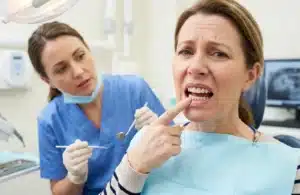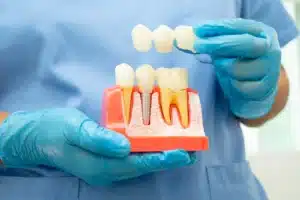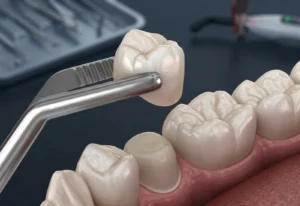
Children and sugary foods often go hand in hand, and sadly, their teeth are usually the ones that suffer. Cavities in children are very common, but the good news is that they can often be prevented with the right approach.
You do not need to act like a sugar enforcer or turn toothbrushing into a strict routine. As explained by our Brisbane paediatric dentist, a few simple habits and consistent daily routines can go a long way in keeping your child’s teeth healthy, strong, and free from pain.
How Cavities in Children Develop?
Each time your child eats or drinks something containing sugar, the bacteria naturally present in their mouth begin converting that sugar into acid. These acids sit on the surface of the teeth and slowly weaken the outer protective layer known as enamel, much like constant raindrops slowly eroding rock. When enamel continues to break down, the acid can reach the softer layer underneath, called dentin, where decay progresses more quickly, and discomfort can begin. If a child snacks frequently or regularly sips sweet drinks throughout the day, their teeth do not have enough time to recover between acid attacks. Over time, these repeated attacks can create small holes in the teeth, which is how cavities start to form.
Early Signs of Cavities in Children
Cavities do not usually appear suddenly. Dentists often explain that tooth decay begins with subtle changes that can be easy to overlook during busy mornings or quick bedtime routines. However, once you know what signs to watch for, they become easier to notice.
- White or chalky areas: These are often the earliest signs that enamel is losing minerals. They act as warning signs before a visible cavity develops.
- Brown or dark marks: Spots that do not brush away may indicate that enamel damage has already begun.
- Food getting stuck repeatedly: If your child often picks at the same area or mentions that food keeps getting stuck, a small cavity may be developing.
- Sensitivity to cold or sweet foods: Our kids’ dentist often notes that flinching when eating ice cream or drinking juice can signal that a tooth needs attention.
- Ongoing bad breath: Persistent bad breath that does not improve after brushing may point to decay hidden in areas that are hard to see.
- Pain during eating or brushing: When a child avoids chewing on one side or complains that it hurts, the cavity may already be more advanced.
What Increases the Risk of Cavities in Children?
Some children seem more prone to cavities even when brushing is done regularly, which can leave parents feeling confused. In reality, certain everyday habits and small health factors can quietly increase the risk, even in households that are careful with dental care.
- Frequent snacking or sipping: Every time sugary foods or drinks are consumed, including juice or milk, bacteria produce acid that attacks enamel. Constant exposure means teeth have little time to recover.
- Falling asleep with a bottle: Milk or juice left in the mouth overnight allows bacteria to feed for hours, increasing the risk of what is often referred to as baby bottle decay.
- Rushed or ineffective brushing: Children may miss the back teeth or gumline. Plaque left behind creates an ideal environment for decay to begin.
- Low fluoride exposure: Fluoride strengthens enamel and helps it repair itself. Without enough fluoride from toothpaste or drinking water, teeth lose an important protective barrier.
- Dry mouth: Certain medications or medical conditions can reduce saliva, which normally helps wash away acids and food debris. Reduced saliva increases cavity risk.
- Medical conditions or special needs: Some children with developmental or medical challenges may struggle with brushing or rely on medications that affect saliva flow, raising their risk of decay.
Families seeking additional support can learn more about dental care for children with special needs in Brisbane, including how appointments can be adapted to suit individual needs.
Parents who are looking for a paediatric dentist with experience caring for children who require extra support can visit us to find further information.
You can also explore Kids Dentist Brisbane’s services for special needs children to better understand how dental care is adjusted for children who need additional assistance.
How do Dentists Identify Cavities in Children?
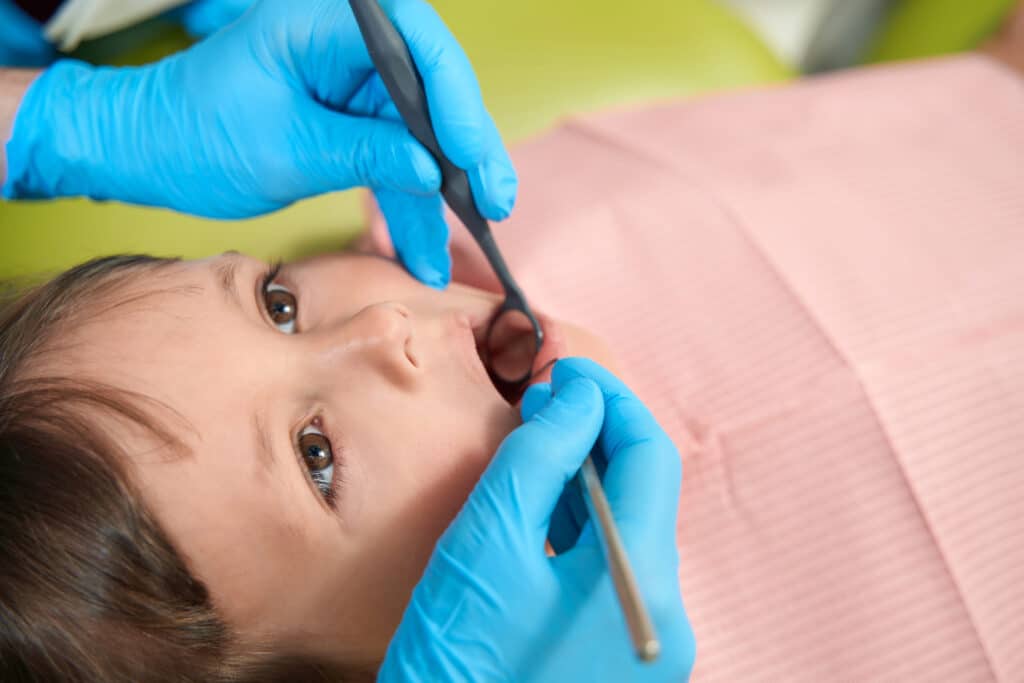
Our dentists use a few straightforward yet effective methods to detect cavities early, before they develop into larger concerns. A small dental mirror and a bright light are used to carefully examine every area of your child’s mouth. The dentist may gently blow air onto the teeth to check for areas that appear dull or chalky, which can be an early sign that the enamel is beginning to soften. If a suspicious area is noticed or if decay may be hiding between teeth, a quick dental X-ray can help confirm the diagnosis. These X-rays use very low levels of radiation, are safe for children, and allow the dentist to clearly see areas that are not visible during a standard examination.
Treatment Options for Cavities in Children
When treatment is discussed, many parents immediately worry that it will involve drilling or discomfort, but this is rarely the case. The type of treatment recommended depends on how early the cavity is detected and how far it has progressed. Below are the most common ways cavities in children are managed.
Fluoride varnish
If a cavity is identified at a very early stage, a fluoride coating can be applied to help strengthen and rebuild the enamel before a cavity fully develops. The process is quick, painless, and usually finished before your child even realises it has been done.
Small fillings
When a cavity has already formed, the dentist carefully removes the affected area and restores the tooth using a tooth-coloured material. This helps protect the tooth while keeping it looking natural.
Stainless steel crowns
If a back tooth has a larger cavity, a small stainless steel crown may be placed over it. This acts like a protective covering, helping keep the tooth strong and functional until it naturally falls out.
Pulp treatment (baby root canal)
If decay reaches the inner part of the tooth where the nerve is located, the dentist gently removes the affected tissue to relieve pain and save the tooth. While the name can sound worrying, the procedure is usually well tolerated by children.
Tooth removal
If a tooth cannot be preserved, it may need to be removed to prevent infection from spreading. The dentist will discuss options with you to ensure space is maintained for the adult tooth to come through properly in the future.
We Offer Sedation Dentistry for Children With Dental Anxiety
Some children become very anxious as soon as they see the dental chair, and that reaction is completely normal. Dental fear is common in children, and the most important thing is finding a way for them to receive the care they need without feeling distressed.
For children who feel nervous, fearful, or overwhelmed, we provide sedation dentistry to help make dental visits more relaxed and easier to manage.
Laughing Gas
Laughing gas, also known as nitrous oxide, is a gentle and safe option that helps children feel calm while remaining awake and able to respond during treatment. The effects wear off quickly once the mask is removed, allowing children to recover quickly after the appointment.
Sleep Dentistry
For children with more significant anxiety, more complex dental needs, or special needs that make it difficult to remain still, sleep dentistry under general anaesthesia may be recommended. Sleep dentistry allows dental treatment to be completed while your child is fully asleep, helping ensure care can be carried out safely and comfortably.
Fluoride and Cavities
Fluoride acts like a protective shield for your child’s teeth. It helps strengthen weakened enamel and makes teeth more resistant to acid damage. Brushing twice daily with fluoride toothpaste, drinking fluoridated tap water, and receiving fluoride varnish treatments at the dentist all work together to prevent early tooth decay from developing into cavities. This simple routine provides strong protection for growing teeth.
Preventing Cavities in Children
Parents and caregivers know that encouraging good brushing habits can be challenging, but a few consistent daily routines can make a big difference in preventing cavities and keeping children’s teeth healthy. The focus should be on consistency rather than perfection.
Brushing twice every day is essential, both in the morning and at night. Children often need help brushing properly until they can reach all areas of their mouth on their own, which is usually around the age of eight.
Using the correct toothpaste is also important. A fluoride toothpaste should be used, and children should be encouraged to spit rather than rinse so the fluoride continues to protect the teeth.
Limiting snacks between meals helps reduce the amount of acid on the teeth. Sticking to set meal and snack times and offering water instead of juice in between can lower the risk of decay.
Water should be the main drink throughout the day. Fluoridated tap water is one of the simplest ways to strengthen enamel regularly.
Choosing tooth-friendly snacks such as cheese, yoghurt, crunchy vegetables, or nuts, where age-appropriate, can help neutralise acids and support strong teeth.
Regular dental check-ups are important, as they allow the dentist to identify early changes before they become more serious problems.
Even small, consistent efforts play a significant role in protecting your child’s smile.
FYI: How Much Toothpaste Should Children Use?
Using the correct amount of toothpaste for children depends on their age and their risk of tooth decay. Too much fluoride at an early age can increase the risk of fluorosis, while too little fluoride may not provide enough protection against cavities. The following guidance reflects current Australian recommendations.
From 6 months to 17 months: Begin cleaning your baby’s teeth as soon as they start to appear. Use only water and an extra-soft toothbrush designed for babies. Toothpaste is not recommended at this stage.
From 18 months to 5 years: Use a low-fluoride toothpaste containing approximately 0.5–0.55 mg/g of fluoride. Apply a small pea-sized amount to a soft, child-sized toothbrush. Encourage your child to spit out the toothpaste after brushing rather than rinsing with water. Brushing should always be supervised to ensure toothpaste is not swallowed.
From 6 years and older: Once your child can reliably spit out toothpaste, change to a standard fluoride toothpaste containing around 1.0–1.5 mg/g of fluoride. Continue using only a pea-sized amount and remind your child to spit out any excess toothpaste after brushing.
Information Ribbon: For children who have a higher risk of developing tooth decay, your dentist at Dental Nook may advise introducing fluoridated toothpaste earlier or recommend a specific toothpaste with a higher fluoride level to better protect the teeth.
How Fissure Sealants Can Help Prevent Cavities in Children?
Certain teeth, particularly the back molars, contain deep grooves on their chewing surfaces where food particles and bacteria can easily collect. Even with careful brushing, these areas can be difficult to clean thoroughly. Fissure sealants are thin protective coatings that our children’s dentists apply over these grooves to help block out plaque and food debris. The procedure is quick, comfortable, and does not involve any drilling. When placed correctly, sealants create a smooth protective barrier that helps reduce the risk of cavities forming on the chewing surfaces of teeth, especially the permanent molars, where long-term protection is most important.
My Child Has a Severe Toothache — What Can I Do?
If your child suddenly starts complaining of a strong or throbbing toothache, it is important not to wait to see if the pain settles on its own. Tooth pain in children can be a sign of infection or deep decay that requires dental attention.
- Rinse gently: Ask your child to rinse their mouth carefully with warm, not hot, salt water to help keep the area clean.
- Check for food trapped between teeth: Gently use floss around the painful tooth to remove any food that may be stuck and causing pressure.
- Pain relief: You may give children’s paracetamol or ibuprofen to help manage discomfort, making sure to follow the dosage instructions on the label.
- Cool compress: Apply a cold pack to the outside of the cheek for short periods to help reduce pain or swelling.
- Keep the head slightly elevated: Raising the head can help reduce throbbing and allow your child to rest more comfortably.
- Avoid extreme temperatures and sweetness: Do not give very hot, cold, or sweet foods and drinks until the tooth has been examined.
- Do not place aspirin or gels on the gum: These products can damage the gum tissue and may worsen the problem.
If the pain is severe, swelling appears on your child’s face, or they have difficulty eating or sleeping, dental care should be arranged promptly. At Dental Nook, emergency dental appointments in Brisbane are available by appointment only and are subject to availability. Calling ahead allows our team to advise you on the next steps and organise care as soon as possible.
Medical Disclaimer
This content is intended for general information only and is not a substitute for individual dental advice. If your child experiences pain, swelling, or has trouble eating, we recommend booking a dental appointment or contacting our clinic for professional advice.
Gentle Dental Care for Growing Smiles
If you would like to discuss your child’s dental care, our team at Dental Nook is available on 07 3124 0248.
We also provide access to Humm and SuperCare to help families manage treatment costs more flexibly.