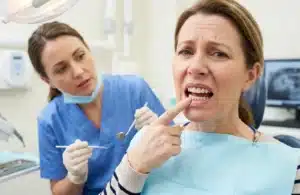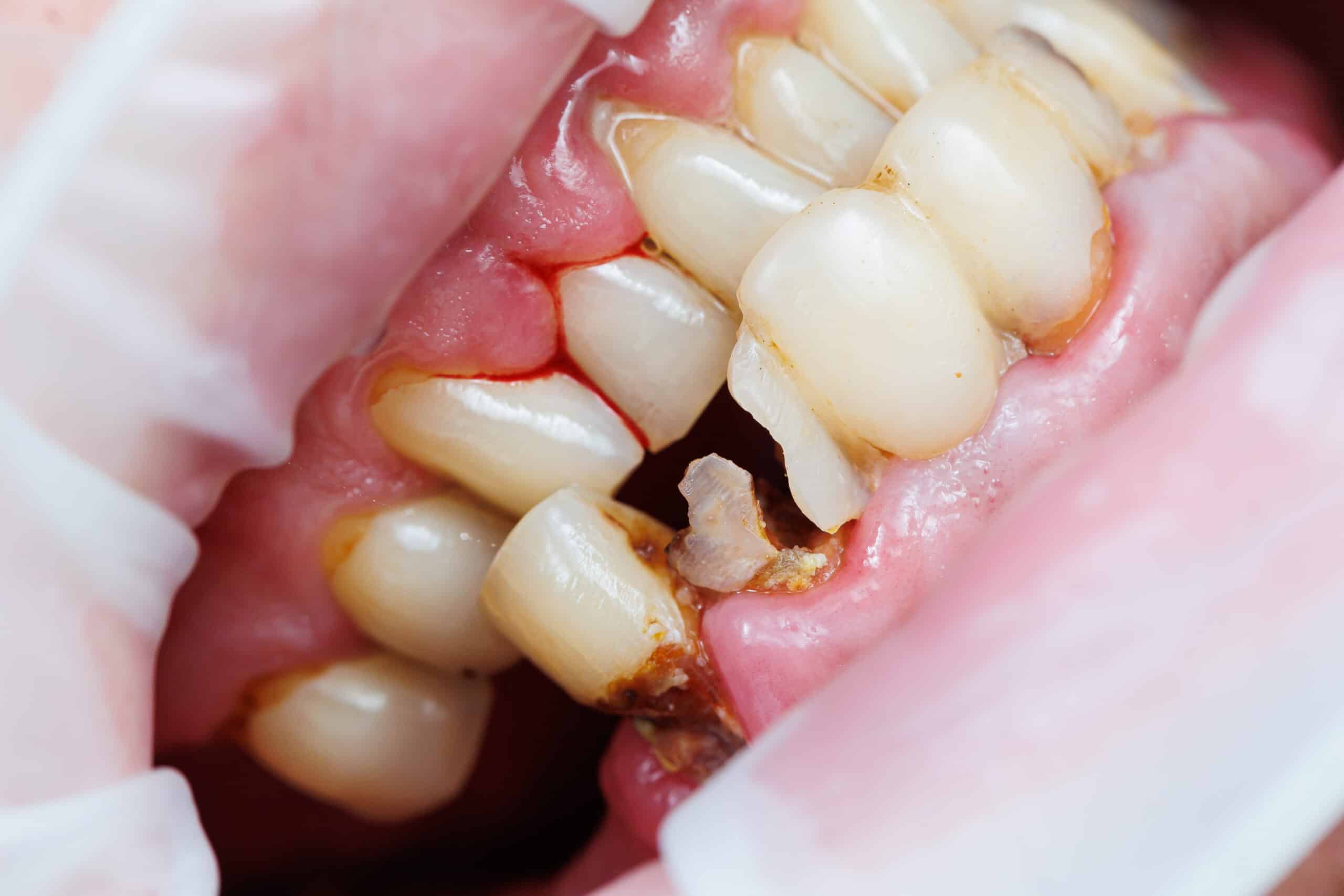
A broken tooth can range from a very small chip to a deep fracture that affects the inside of the tooth. Some breaks are minor and can safely wait for a routine dental appointment, while others need same-day care to relieve pain, protect the nerve, and reduce the risk of infection. Many people are unsure when a broken tooth becomes a dental emergency. This is why our team at Dental Nook explains how to recognise the signs that matter and what steps help protect your tooth.
What Do Dentists Mean by a “Broken Tooth”?
A “broken tooth” does not look the same in every situation. Many patients come in thinking their tooth is not truly broken, but dentists use this term to describe a wide range of damage. Understanding what counts as a broken tooth helps clarify why some cases need urgent care and others do not.
A broken tooth may involve
- A small chip, often caused by biting on a fork, chewing something hard, or a knock to the mouth.
- A surface crack, which appears as a fine line in the enamel that you may feel with your tongue before you can clearly see it.
- A deeper crack that extends further into the tooth and moves toward the nerve.
- A noticeable piece of tooth breaking away, which often causes immediate concern while eating.
- A split tooth, where the tooth separates into two sections.
- A break close to the gum line, commonly linked to decay or a long-term weakness in the tooth.
Both front and back teeth can break. Front teeth are more likely to chip, while back teeth are more prone to cracking, especially when they are already under pressure from fillings, decay, or teeth grinding.
Why a Broken Tooth Should Not Be Ignored?
Even a small break can create problems if it is left untreated. Once the enamel is damaged, bacteria can enter areas they should never reach. A tooth that felt fine previously can suddenly become sensitive or painful. Some broken teeth quickly turn into emergencies, others need timely care, and a few may be mild enough to wait. However, it is often difficult to tell how serious a break is just by looking at it.
Having the tooth assessed early helps clarify what is happening and prevents a simple issue from developing into a much more complex problem later on.
Types of Broken Teeth and How Serious They Can Be
Small Chip on the Edge of the Tooth
This is a common type of break, often caused by biting on something hard or accidentally hitting the tooth. It usually feels more noticeable to your tongue than it looks to others.
This type of damage is not usually considered an emergency because it affects only the surface. However, it should still be checked so the dentist can smooth the area and confirm there is no more serious damage.
Crack in the Enamel Only
This appears as a fine line in the outer layer of the tooth, similar to a scratch on glass. In some cases, it is visible, while in others, it is only noticeable when light reflects off the tooth in a certain way.
It is rarely an emergency, but it does need monitoring. Cracks in the enamel can grow over time, particularly if the tooth is under pressure or if you grind your teeth.
Crack Extending Deeper Toward the Nerve
This type of crack goes beyond the enamel and moves toward the centre of the tooth where the nerve is located. Pain when biting or sudden sensitivity is common in these cases.
This situation can become an emergency, especially if the nerve is close to being exposed. Without treatment, the crack may worsen, split the tooth, or lead to infection.
A Large Piece Broken Off the Tooth
This is usually obvious straight away. You bite down, something feels wrong, and a piece of the tooth may be felt in the mouth.
This type of break is often urgent. A large section missing leaves the inner layers of the tooth exposed, increasing the risk of pain, sensitivity, and infection.
Tooth Broken Down to the Gum Line
Breaks near the gum line are often linked to decay or a tooth that has been weakened over time. The visible part of the tooth may collapse or fracture close to the gums.
This is generally considered a dental emergency because the tooth becomes unstable and the nerve is at high risk. Prompt assessment is needed to determine whether the tooth can be saved.
Split Tooth or Vertical Crack
This type of damage is often described as feeling like the tooth has opened. The crack runs vertically, and the sections of the tooth may move when pressure is applied.
This is a true dental emergency. Once a tooth splits, bacteria can quickly reach the nerve, and immediate treatment is often required to prevent further damage or tooth loss.
Signs You Need Urgent Same-Day Dental Care
Ongoing Toothache That Does Not Improve With Pain Relief
When dental pain continues despite taking pain relief, it is often a sign that something more serious is happening inside the tooth. This usually indicates nerve irritation or infection. Delaying care allows the problem to worsen and become harder to treat.
Pain or Sensitivity to Hot, Cold, or Biting
If cold water, warm food, or gentle pressure causes a sudden, sharp pain, the inner layers of the tooth may be exposed or inflamed. Sensitivity like this does not occur without a reason and often indicates more serious damage that requires prompt attention.
Visible Pink or Red Tissue Inside the Tooth (Possible Nerve Exposure)
Noticing pink or red tissue inside a broken tooth can be alarming. This usually means the nerve is exposed or very close to the surface. When the nerve is open to the mouth, bacteria can easily enter, which is why this situation is considered urgent.
Bleeding That Does Not Stop With Gentle Pressure
Some bleeding immediately after a tooth breaks can be normal. However, if bleeding continues even after applying gentle pressure for several minutes, the tissue may be damaged or the fracture may be deeper than it appears. Ongoing bleeding is a clear sign that the tooth should be assessed the same day.
Swelling in the Gums, Face, or Jaw
Swelling is a warning sign from the body and often indicates infection. Dental infections can spread quickly if left untreated. Any swelling around the gums, jaw, or face should be taken seriously, even if the pain seems to come and go.
Fever, Feeling Unwell, or a Bad Taste in the Mouth
These symptoms suggest that bacteria may already be involved. A constant bad taste or smell often comes from an abscess that is leaking, while a fever indicates the immune system is fighting an infection. This combination requires urgent dental care.
Tooth Feels Loose, Out of Position, or “High” When Biting
If a tooth suddenly feels loose, pushed out of place, or higher than the surrounding teeth, something has shifted within the socket. This can occur after trauma or a deep crack. The pressure felt when biting is often a sign that the nerve is inflamed or the root is under strain.
Difficulty Opening the Mouth or Chewing on One Side
Trouble opening the mouth or chewing comfortably can indicate swelling, a spreading infection, or a fracture affecting jaw movement. When normal mouth movement becomes painful or restricted, a same-day dental visit is important.
Information Ribbon: These signs indicate that the tooth and surrounding tissues may be damaged or infected, and they should be examined as soon as possible, ideally on the same day.
When a Broken Tooth Can Usually Wait a Couple of Days?
Not every broken tooth requires immediate emergency treatment. Some minor breaks are stable enough that you can finish your day, rest, and arrange a standard appointment within the next day or two without significant risk. Below are situations where waiting briefly is generally safe, provided symptoms do not change.
Small, Shallow Chip With No Pain
These minor chips are often noticed while brushing or when the tongue catches on a rough edge. Although they may look concerning, they usually affect only the surface of the tooth. If there is no pain and the tooth feels stable, booking a routine appointment within a few days is usually sufficient.
No Sensitivity to Hot, Cold, or Biting
If the tooth does not react to temperature changes or pressure, the deeper layers are likely still protected. This is a positive sign and suggests the nerve and dentine have not been affected, meaning the situation is not urgent.
No Swelling and No Fever
Swelling and fever can signal infection. If neither is present, the tooth is not showing immediate warning signs. In this case, it is generally safe to wait a short time while continuing to monitor for any changes.
Tooth Feels Firm, and the Bite Feels Normal
When the tooth remains solid, and the bite feels comfortable and unchanged, the damage is likely superficial. Teeth that feel loose, high, or out of alignment usually require urgent care, but a tooth that functions normally allows some flexibility in timing.
Information Ribbon: Even when a break seems minor, it is still important to arrange a dental visit within a few days. A dentist can smooth sharp edges, repair the chip, and check for hidden damage. If pain, swelling, or sensitivity develops suddenly, the situation should be treated as urgent.
Broken Tooth in Children and Teenagers
The Difference Between Baby Teeth and Adult Teeth
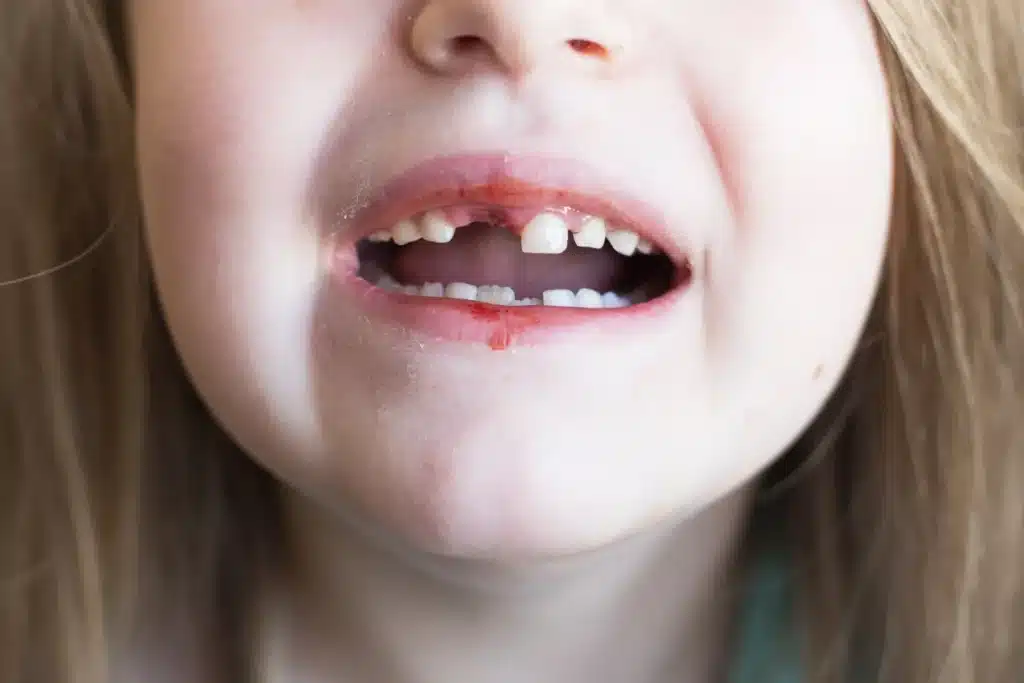
Baby teeth and adult teeth respond very differently when damaged. Baby teeth have thinner enamel and a larger nerve space, meaning even a small chip can reach deeper layers more easily. Adult teeth are stronger overall, but cracks in adult teeth tend to involve more structural damage. Children may have both baby and adult teeth at the same time, so identifying which tooth is affected plays a key role in treatment decisions.
Why a Broken Baby Tooth Still Needs Assessment?
It is common for parents to think a broken baby tooth can be ignored because it will eventually fall out. While this seems logical, it is not always safe. A deep break in a baby tooth can irritate the nerve, lead to infection, or affect the space needed for the adult tooth to erupt properly. Even smaller chips can rub against the cheek or lip and make eating uncomfortable. A dental check allows us to determine whether simple smoothing is enough or whether further care is needed.
When a Broken Tooth in a Child Is an Emergency?
There are situations where a broken tooth in a child needs immediate dental care and should not be delayed.
If your child has –
- Severe or ongoing pain
- Swelling around the gums or cheek
- A break that exposes pink or red tissue
- A tooth that has been knocked out or pushed out of position
Should be treated as an emergency appointment. Children’s teeth are close to important developing structures, which means infection can spread more quickly in children than it does in adults.
Why Early Treatment Helps Protect the Adult Teeth Growing Underneath?
Beneath every baby tooth, an adult tooth is slowly developing and waiting to emerge. When a baby tooth has a deep crack, untreated decay, or infection, it can interfere with the healthy development of that adult tooth. Early dental care is not only about repairing what is visible in the mouth. It also helps protect the adult tooth your child will depend on later in life.
What to Do Immediately If a Tooth Breaks?
Rinse Gently With Clean, Lukewarm Water
A gentle rinse helps remove blood or food particles without causing further irritation to the tooth or surrounding tissues.
Apply Light Pressure With Clean Gauze if There Is Bleeding
Use a small piece of clean gauze and hold it gently against the area for a few minutes. Minor bleeding often settles on its own. If the bleeding continues, this is a sign the situation should be treated as urgent.
Place Any Broken Tooth fragments in Milk or Saline
If you find a piece of the broken tooth, do not throw it away. Place it in a small container with milk or saline. This prevents the fragment from drying out and may allow the dentist to use it during treatment.
Use a Cold Pack on the Face for Swelling or Bruising
Apply a cold pack or a wrapped frozen item to the cheek for short periods. This helps reduce swelling and discomfort. While it does not repair the tooth, it can make your child more comfortable until they are seen.
Cover Sharp Edges With Dental Wax or Sugar-Free Chewing Gum
A broken tooth can leave sharp edges that irritate the tongue or cheek. Placing dental wax or sugar-free chewing gum over the sharp area helps protect the soft tissues until dental care is provided.
How Dentists Assess and Treat a Broken Tooth?
Examination of the Tooth, Gums, Bite, and Soft Tissues
Your dentist begins by carefully examining the broken tooth, the surrounding gum tissue, and the way your teeth come together when you bite. You may be asked a few brief questions, such as how the damage occurred and whether anything has changed since it happened. These small details help build a clearer understanding of the situation. The dentist also checks your cheeks and tongue to ensure the sharp edge of the tooth has not caused additional injury.
X-Rays to Assess the Root and Bone When Required
You may not feel discomfort deep inside the tooth, but that does not always mean there is no underlying issue. X-rays allow the dentist to see beneath the surface and determine whether the crack extends to the nerve, if there are signs of infection, or if the root and surrounding bone remain stable.
Common Treatment Options
Smoothing a Sharp Edge
For very small chips, treatment may involve gently smoothing the rough edge so it no longer catches on your tongue or cheek. This is a straightforward procedure that usually takes only a few minutes.
White Filling or Bonding for Small to Medium Breaks
When a visible portion of the tooth is missing but the remaining structure is healthy, a white filling or dental bonding can be used to restore the tooth’s shape. The material is matched to the natural tooth colour, so the repair blends in seamlessly.
Dental Crown for Larger Breaks
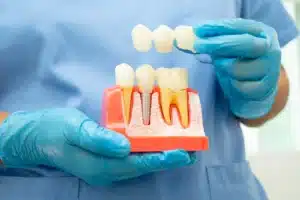
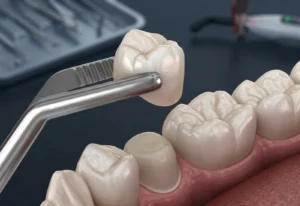
If a significant part of the tooth has broken away, additional protection is often needed. A dental crown covers the damaged tooth, helping restore strength and allowing you to bite and chew comfortably without the risk of further breakage.
Root Canal Treatment When the Nerve Is Damaged or Infected
When a fracture reaches the nerve, it can lead to pain or infection. Root canal treatment removes the damaged tissue from inside the tooth and seals it, preventing bacteria from re-entering and causing further problems.
Extraction: When the Tooth Cannot Be Saved
In some situations, the crack extends too deeply or the tooth structure is too weakened to be repaired safely. When this occurs, removing the tooth may be the healthiest option. Your dentist will talk you through suitable replacement options once healing has taken place.
When to Go to the Hospital or Call 000 Instead of Seeing a Dentist?
If a broken tooth is accompanied by difficulty breathing or swallowing, rapid swelling of the face or neck, a high fever, a serious injury from a fall or car accident, or bleeding that does not stop, urgent medical attention is required. In these cases, call 000 or go to the nearest emergency department first. Once your medical condition is stable, dental treatment for the tooth can be carried out.
Feeling Anxious About Dental Treatment?
Dental visits can cause anxiety for many people, including children and some patients with special needs. Previous experiences, fear of discomfort, or uncertainty about what will happen can make dental care feel overwhelming.
It is important to let your dentist know if you are feeling anxious. This allows the appointment to be approached more gently, with clear explanations at each step and a pace that feels manageable. Where appropriate, sedation options may also be discussed to make treatment more comfortable.
At Dental Nook, sedation options such as laughing gas, IV sedation (twilight sedation), and sleep dentistry under general anaesthesia may be available when suitable and safe. These approaches can help anxious patients receive the care they need in a calm and supported way.
Support for Children with Special Needs
If your child has additional or specific needs, please let our team at Dental Nook know in advance so the visit can be planned in a way that feels comfortable and safe for them. Our Brisbane paediatric dentist for children with special needs takes time to work closely with families and adjusts appointments to suit each child individually. This may include allowing extra time, using calm and gentle communication, or arranging a quieter and less stimulating environment to help your child feel at ease.
More information is available here: Special Needs – Kids Dentist
How to Reduce the Risk of Breaking a Tooth Again?
Treat Tooth Decay and Worn Fillings Early
Minor dental problems are much easier to manage than major ones. Teeth affected by decay or weakened by old fillings are more likely to fracture. Addressing these issues early helps maintain tooth strength and reduces the risk of further damage.
Wear a Custom Mouthguard for Sport
If you take part in sports such as football, basketball, hockey, or any activity involving speed or contact, wearing a custom-made mouthguard is strongly advised. While store-bought mouthguards offer some protection, custom mouthguards fit securely and provide more effective protection for your teeth.
Avoid Biting Ice, Hard Lollies, or Using Teeth as Tools
Many broken teeth occur during everyday activities. Biting ice, chewing hard lollies, or using teeth to open packets places unnecessary stress on teeth and increases the risk of cracks or fractures.
Speak to Your Dentist if You Grind or Clench Your Teeth
Teeth grinding or clenching can gradually wear down tooth structure. If you experience jaw tightness on waking or notice flattened edges on your teeth, a night guard can help protect your teeth while you sleep.
Maintain Regular Dental Check-Ups and Cleans
Routine dental visits allow your dentist to identify weak areas before they turn into fractures. Cracks that are not yet painful can often be detected early and reinforced to prevent future problems.
While none of these steps can guarantee that a tooth will never break again, they do reduce the likelihood of repeat damage and help protect any dental repairs you have already received.
Medical Disclaimer
The information provided here is general in nature and does not constitute a diagnosis. It is not a replacement for an in-person assessment by a dentist, doctor, or other qualified health professional. If you experience severe pain, swelling, fever, breathing difficulties, or any urgent symptoms, seek immediate medical or dental care. This may include visiting a dentist, your GP, a hospital emergency department, or calling 000 in Australia. Every individual’s situation is different, and only a proper clinical examination, along with X-rays when required, can determine the most appropriate treatment.
Need Help With a Broken Tooth? We’re Here When You Need Us
If a chipped or cracked tooth has taken you by surprise, the team at Dental Nook is here to help. We aim to provide prompt emergency care whenever possible and offer gentle treatment for children, teenagers, and adults. Flexible payment options, including Humm and SuperCare, are available to help make treatment more manageable.
You can find us at:
Westfield Carindale Shopping Centre, Level 1, Shop 2068 Opp Woolworth, 1151 Creek Rd, Carindale QLD 4152, Australia
If you are in pain or unable to wait, our emergency dental team is ready to assist.
Call 07 3124 0248.