Choosing an Inexperienced Implant Dentist
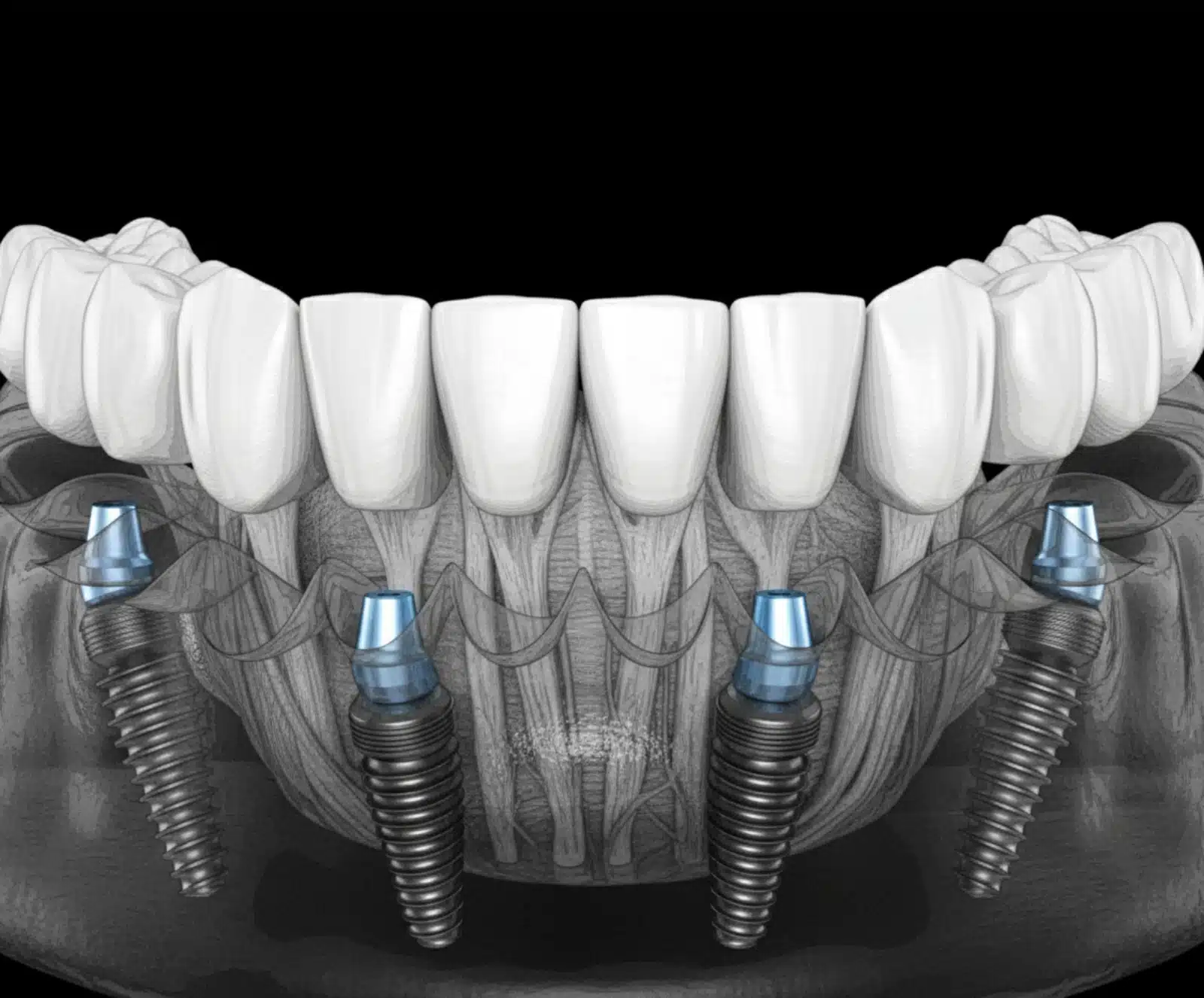
All-on-4 dental implants are one of the most advanced procedures in modern dentistry. While they are increasingly promoted, not every dentist has the training or hands-on experience required to perform them safely and successfully.
Only a qualified and experienced implant dentist should carry out this treatment. Your dentist should have proven expertise in implant surgery, advanced planning, and full-arch restorations. Always ask about their credentials, clinical experience, and how many successful implant cases they have completed.
Patient reviews, genuine before-and-after photos, and real case studies provide valuable insight. Avoid relying on stock images, as they do not reflect real clinical outcomes.
Assuming Everyone Is Suitable for All-on-4
All-on-4 dental implants are not suitable for every patient. Adequate jawbone density and healthy gum tissue are essential to support the implants and ensure long-term stability.
If bone volume is insufficient, particularly in the front of the jaw, the risk of implant failure increases. A thorough assessment using 3D CT scans and X-rays is essential before treatment begins. If required, your dentist may recommend additional procedures such as bone grafting, sinus lifts, or alternative implant solutions.
It is also important to understand that All-on-4 implants are not designed for single tooth replacement. Immediate load implants also require sufficient bone quality to be successful.
Overlooking the Quality of Implant Materials
Dental implants and prosthetics come in different brands and materials. While lower-cost options may seem appealing initially, choosing non-branded or generic implant systems can compromise durability and long-term performance.
High-quality, well-established implant brands offer better reliability, long-term support, and proven clinical success. Poor-quality materials may lead to complications, additional treatment, and higher costs in the future.
Believing All Teeth Must Be Removed
Preserving natural teeth is always preferred when they are healthy and functional. Some patients assume all teeth must be extracted before receiving dental implants, which is not always the case.
Your dentist will only recommend removing teeth if they are severely damaged, infected, or unsuitable for long-term retention. A personalised treatment plan ensures healthy teeth are preserved wherever possible.
Using Permanent Teeth Too Soon
After implant placement, the implants must fuse with the jawbone through a process known as osseointegration. This healing phase is critical and takes time.
During the initial recovery period, it is important to avoid placing excessive pressure on your new teeth. Mild pain, swelling, and discomfort are common in the first two weeks. A soft or liquid diet can help reduce strain and support healing.
As healing progresses, discomfort reduces, and you can gradually introduce soft foods. Following post-treatment instructions closely helps ensure successful implant integration and long-term results.
Smoking After Implant Surgery
Smoking significantly slows healing and interferes with the bone-implant bonding process. It also increases the risk of infection and implant failure.
For the best possible outcome, smoking should be avoided before and after implant surgery. This allows your body to heal properly and improves the long-term success of your dental implants.