
Wisdom Teeth Extraction Dentist in Brisbane

Expert low-pain wisdom tooth extraction service in Brisbane
wisdom tooth extraction

Wisdom Teeth Extraction in Brisbane

Wisdom teeth, also called third molars, are the last adult teeth to appear, usually between the ages of 17 and 21. Most people have four wisdom teeth at the back of the mouth, two on the top and two on the bottom. Some people do not develop all of these molars, while others may have more than four.

These teeth are generally the final teeth to erupt and often appear when a person is a little older, which is why they are nicknamed the “age of wisdom”. Not every wisdom tooth needs to be removed, but extraction is often recommended if they are growing in the wrong position or are likely to cause significant pain or damage.
teeth after getting wisdom teeth extraction done.

When there is not enough room in the jaw for wisdom teeth to come through properly, they can become trapped under the gum or only partially erupt. Treatment by a qualified dental professional can prevent damage to the neighbouring teeth and supporting bone. Impacted wisdom teeth are common because there is often not enough space in the jaw for them to emerge correctly.

Problematic wisdom teeth can lead to:
Impacted wisdom teeth are also more difficult to keep clean, which increases their susceptibility to decay and gum disease. They can also affect the roots or bone supporting nearby teeth.

Why Wisdom Teeth Cause Pain and When They May Need Removal?

Wisdom teeth usually need to be removed when there is not enough space in the mouth for them to fully erupt. The average jaw is designed to comfortably hold 28 teeth. Trying to fit 32 teeth into that space often leads to problems.
When wisdom teeth only partly emerge, bacteria can collect around the gum opening and cause a localised infection. This infection can result in pain, swelling and general unwellness.
Wisdom teeth can also grow sideways or stay trapped in the bone and under the gum. The pressure from these teeth can disturb the position of other teeth and, in some cases, form cysts that may damage the jawbone.
Crowding is another issue. When wisdom teeth push other teeth out of alignment, especially the lower front teeth, they can make your bite crowded and difficult to clean.
Because of these problems, many oral surgeons and dentists in Brisbane recommend removing troublesome third molars to help keep the gums, jawbone and teeth healthy in the long term.
Wisdom tooth extraction may be recommended when:

Removal may not be required when wisdom teeth:

Because of these problems, many oral surgeons and dentists in Brisbane recommend removing troublesome third molars to help keep the gums, jawbone and teeth healthy in the long term.

Common Signs You May Need Wisdom Teeth Removed

Your dentist or oral health professional may advise wisdom tooth removal if:
  • The teeth are causing significant pain
  • There is a high risk of damage to nearby teeth or the jaw
  • The teeth are affecting the normal development or alignment of other teeth
  • The wisdom teeth are impacted
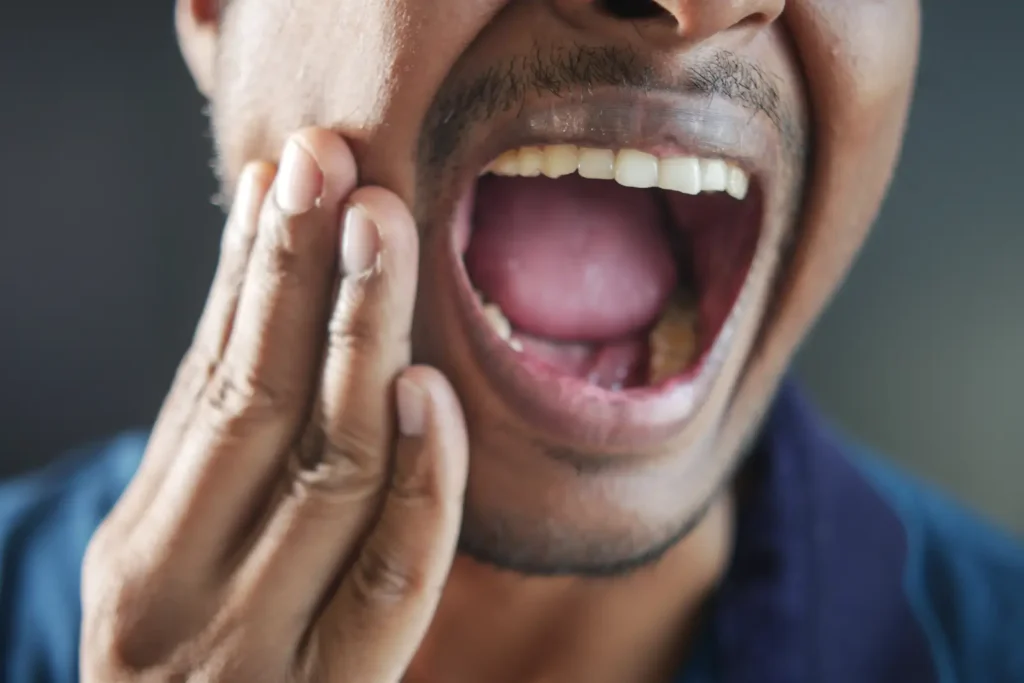
Pain is one of the main signals that a wisdom tooth may need attention. Ongoing pain can indicate that something is wrong with the tooth or surrounding tissues.
Other warning signs include:
  • Pressure or discomfort at the back of the mouth
  • Swelling or repeated infections around the wisdom teeth
  • Tooth decay affecting the wisdom teeth
  • Cysts or tumours forming around the teeth
The decision to remove wisdom teeth should always be made in consultation with a dentist. Regular dental checkups at Dental Nook help ensure your wisdom teeth are monitored and managed before they cause serious problems.
toothache

Risks and Possible Complications

Wisdom teeth removal is a routine procedure and usually does not lead to long-term complications. However, as with any surgery, there is a small chance of side effects. Possible complications include:
If you notice anything unexpected, contact your dentist so they can review your situation and provide tailored advice.

Anaesthesia and Sedation for Wisdom Teeth Removal

happy gas for dental

Local Anaesthetic and Happy Gas

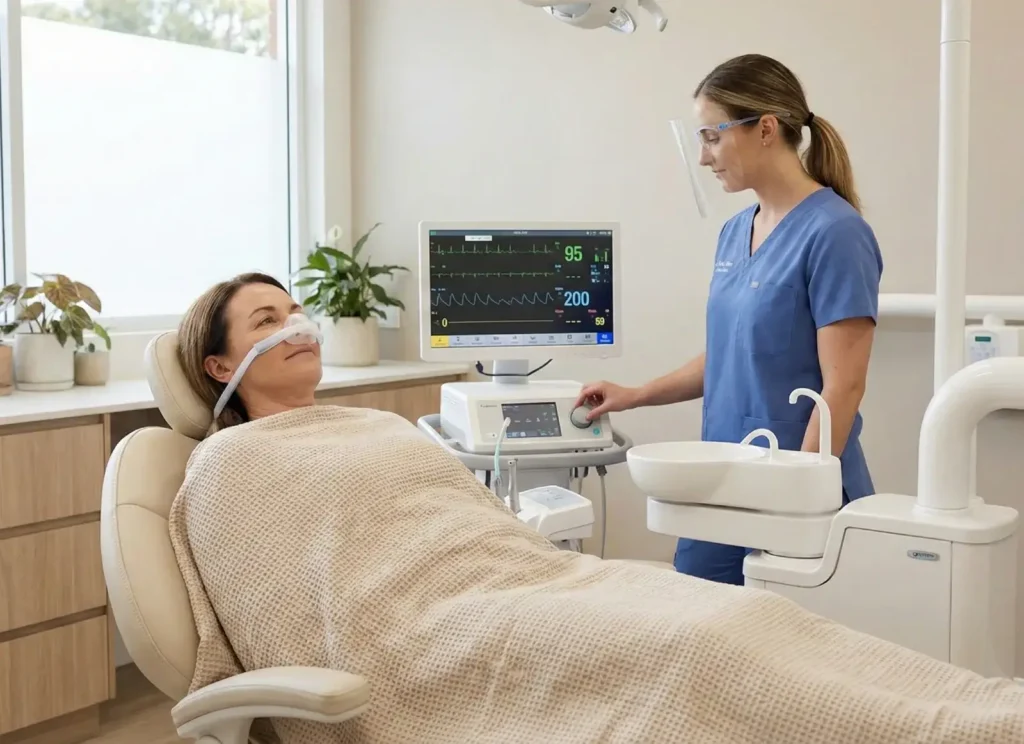
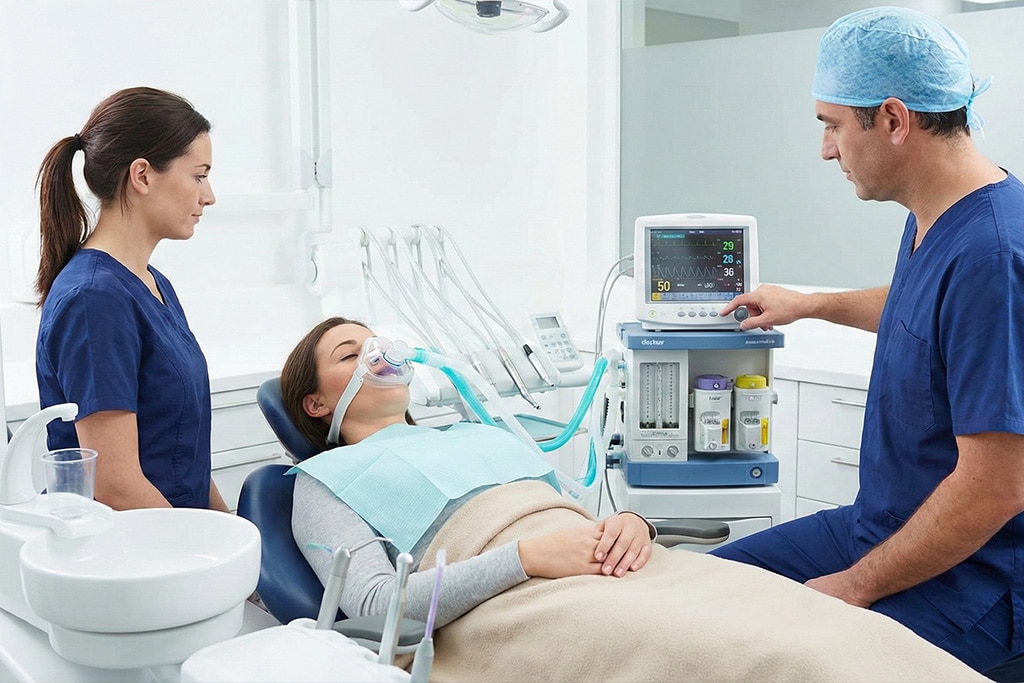
At Dental Nook, wisdom tooth extraction can be performed using local anaesthesia to numb the tooth and surrounding area. In some cases, additional options such as nitrous oxide (happy gas) or IV sedation may be used to help you feel more relaxed if you are anxious.

Local anaesthetic keeps you awake but prevents pain in the treated area. Sedation helps you feel calm and drowsy while still being carefully monitored by the clinical team.

General Anaesthesia for Wisdom Tooth Surgery

For some patients, having dental treatment while asleep feels more comfortable. General anaesthesia may be recommended when:
  • The patient is extremely nervous about the procedure
  • The pain threshold is low
  • Several wisdom teeth are being removed at once
  • The surgery is expected to take a long time or be complex
Under general anaesthesia you are fully asleep and will not be aware of the procedure.
general aneasthesia

Is General Anaesthesia Safe?

General anaesthesia is usually very safe when administered by a qualified specialist. Your vital signs, such as breathing, blood pressure and oxygen levels, are closely monitored throughout.
Before surgery, you may be advised to:
  • Avoid alcohol
  • Not sign important documents immediately after the procedure
  • Arrange for a responsible adult to drive you home
Your dentist and anaesthetist will review your medical history and any medications you are taking to minimise the risk of complications.

How Much Does Wisdom Tooth Extraction Cost?

The cost of removing wisdom teeth varies and depends on several factors, including:
  • The number and position of the teeth
  • Whether they are impacted
  • The type of anaesthesia or sedation used
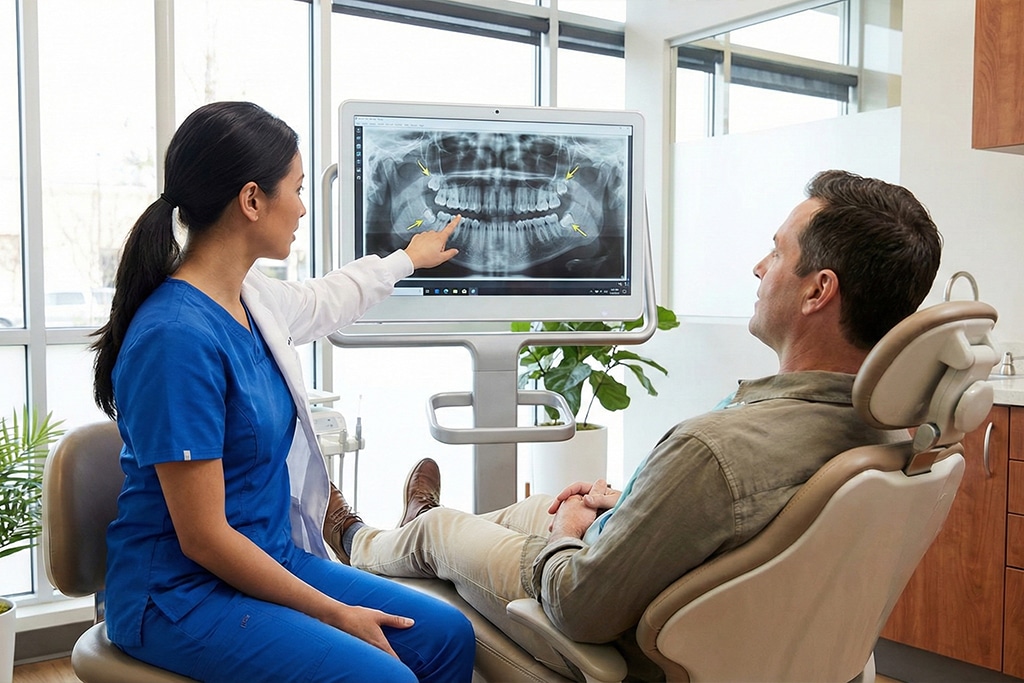
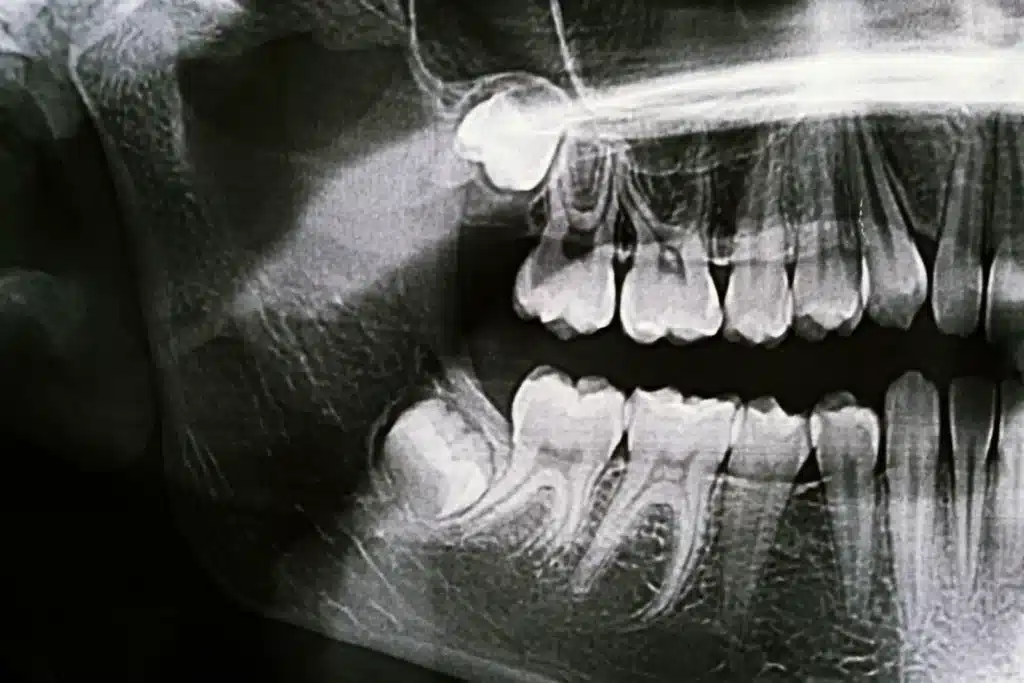
Your Dental Nook dentist will examine your mouth and review your X-rays before giving you an accurate estimate. Different health funds provide different levels of cover, and our reception team can help you understand your entitlements.

Feeling Nervous About Wisdom Tooth Surgery?

It is normal to feel anxious about having wisdom teeth removed. Let our team know if you are worried. We can discuss options such as happy gas or sedation to help keep you comfortable and relaxed during treatment. If you are planning to have all four wisdom teeth removed, we can talk through whether it is better for you to have them taken out in one appointment or over several visits.
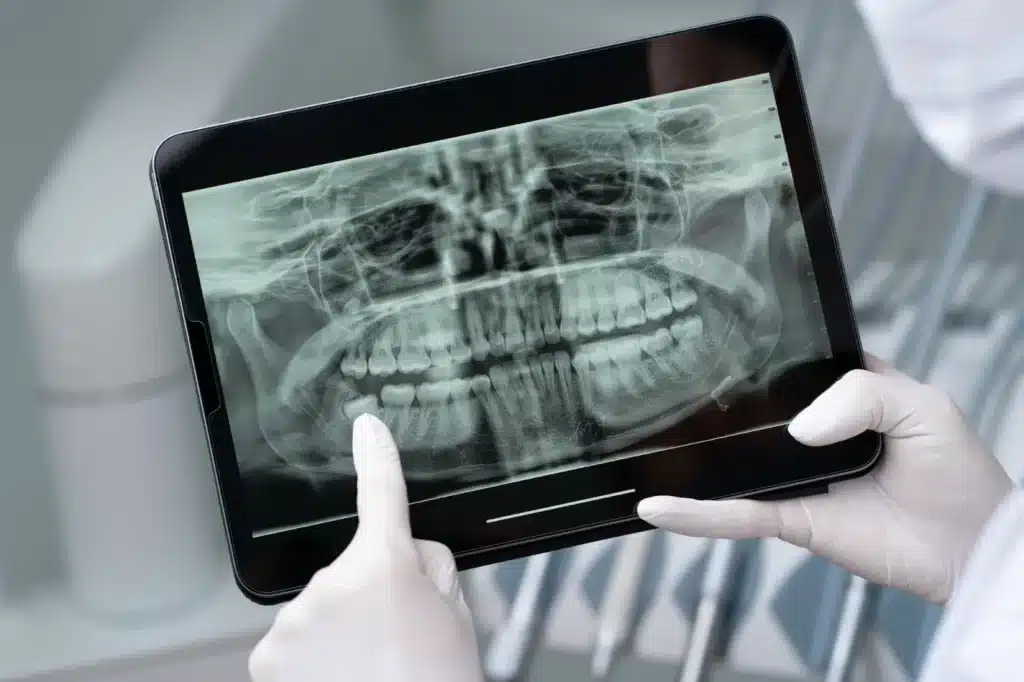
wisdom tooth xray

Wisdom Tooth Examination at Dental Nook

Our experienced dentists assess your X-rays to identify any risks linked to your wisdom teeth. Early management usually leads to better outcomes, so we often recommend the first assessment in the mid-teenage years.
Even if you are not currently in pain, we may suggest early extraction if erupting wisdom teeth are likely to cause problems later. Removing them before complications arise can make treatment simpler and less costly.
Dental Nook provides wisdom tooth assessment and removal for patients in Brisbane and surrounding suburbs, including Carina, Camp Hill, Mansfield, Mount Gravatt and other Brisbane southside areas.
If you are concerned about your wisdom teeth, contact Dental Nook to book an examination and receive personalised advice.

Risks and Possible Complications

Flying After Tooth Extraction

If you plan to fly soon after having a tooth removed, discuss this with your dentist first. In many cases, it is recommended to rest for 24 hours before travelling and to choose a seat with easy access to the aisle and restroom. You may be asked to take some sterile gauze with you in case mild bleeding occurs. Some airlines have specific guidelines about flying soon after extractions or other dental procedures, so it is best to check in advance.

Managing Pain After Extraction

Tenderness and mild swelling are normal. You can use an ice pack on the outside of your face during the first two days to reduce swelling. If your dentist has prescribed pain relief or antibiotics, take them exactly as directed and complete the full course of medication, even if you start to feel better.

Eating and Drinking

Use a straw with care if advised and drink plenty of fluids. Avoid alcohol after your procedure. Stay away from hot, spicy, hard or crunchy foods, and avoid foods with seeds or grains that can lodge in the socket. For the first two days, choose soft, nutritious foods such as bananas, eggs, pasta and mashed potatoes.

Bite Down on the Gauze

You will be given a gauze pad to bite on after the extraction. Firm pressure helps the blood clot form, slows the bleeding and supports healing. Keep the gauze in place for about 30 minutes. If bleeding continues, replace it with a fresh pad and bite down again. For the next three days, be careful not to disturb the clot.

Washing – No Vigorous Swishing

If you are asked to rinse, do so gently with warm salty water. Do not rinse your mouth vigorously, and avoid brushing directly over the extraction site in the early stages of healing.

Heavy Bleeding After Wisdom Tooth Removal

If you notice heavy bleeding that does not ease after 24 hours, or if significant swelling continues beyond 2–3 days, contact the Dental Nook team for advice.

No Smoking

Do not smoke after your extraction. Smoking delays healing and can disturb the clot.

Avoid Physical Activity

For the first 24 hours, avoid heavy exercise or strenuous physical activity such as gym workouts.

Frequently Asked Questions about Wisdom Teeth Extraction

How Is a Painful Wisdom Tooth Treated?
Wisdom tooth removal is a routine dental procedure carried out either by a general dentist or a specialist oral and maxillofacial surgeon. The surgery may take place in the dental chair or, in more complex cases or when several teeth are removed at once, in a hospital setting.
During a typical wisdom tooth extraction, you can expect the following steps.
  1. Your dentist or oral surgeon will first take X-rays to see whether the wisdom teeth are impacted and to plan the best approach.
  2. The area is numbed with local anaesthetic to keep you as comfortable as possible.
  3. A small incision is made in the gum so that the tooth and surrounding bone can be accessed.
  4. In many cases, the tooth is divided into smaller pieces to make removal easier and gentler.
  5. The tooth is carefully removed.
  6. The area is cleaned to remove any debris or loose fragments.
  7. Stitches may be placed to help the gum heal.
  8. A folded gauze pad is positioned over the extraction site to control bleeding.
Most people recover from wisdom tooth surgery within a few days. Your experience will depend on whether you were given local or general anaesthesia and how complex your case was.
After the procedure:
  • If general anaesthesia was used, you will spend some time in a recovery room while your vital signs are monitored.
  • If local anaesthetic was used, you will usually recover in the dental chair before going home.
  • You should arrange for a responsible adult to take you home if you had sedation or general anaesthesia.
To support healing, your Dental Nook team may advise you to:
  • Let them know if bleeding continues 24 hours after surgery
  • Avoid spitting forcefully, as this can disturb the blood clot and lead to a dry socket
  • Use over-the-counter pain relief as directed and apply a cold pack to the cheek to reduce swelling
  • Rest with your head slightly elevated to minimise bleeding
  • Avoid touching or pressing on the surgical area
  • Take it easy on the day of surgery and avoid strenuous physical activity for at least the first 24 hours
  • Stay well hydrated with plenty of water
  • Avoid kissing, smoking and using straws until your dentist says it is safe, as they can disturb the healing clot
  • Avoid hard or crunchy foods, which can aggravate the wound and increase discomfort
  • Choose soft foods such as soup, yoghurt, soft cereals, smoothies and broths
  • Gradually reintroduce more solid foods as you are able, starting with semi-soft options
  • Rinse your mouth gently with warm salt water, as recommended, to ease pain and swelling
  • Avoid touching the wound with your tongue or fingers
  • Delay brushing and mouthwash use near the extraction site during the first 24 hours, unless your dentist advises otherwise
If you need more guidance after your appointment, you can contact the Dental Nook team for personalised aftercare advice.
Wisdom tooth extraction is considered a safe and common procedure. All surgery, however, carries some level of risk, particularly when sedation or general anaesthesia is used. Serious complications are very rare, but every patient is assessed individually.
It is important to tell your dentist and anaesthetist about your medical history, existing conditions and medications so they can minimise any risks and decide on the safest approach for you.
Human diets have changed dramatically over thousands of years. Our ancestors ate tougher foods, including raw plants, roots, nuts and meat. They needed strong jaws and additional molars to chew this fibrous diet.
Modern diets are generally softer and easier to chew, and our jaws have become smaller over time. As a result, many people no longer have enough space for wisdom teeth to fully erupt, which is why these teeth now cause so many problems.
If your dentist has recommended wisdom tooth removal and you choose not to proceed, you may experience ongoing or future problems. For example:
  1. Because wisdom teeth erupt after the other adult teeth have already appeared, there is often not enough room for them. This lack of space can cause crowding, impaction or misalignment.
  2. Impacted wisdom teeth that are left in place are at higher risk of decay and infection because they are harder to clean.
  3. Pain at the back of the jaw can persist or worsen if problematic wisdom teeth are not removed.
The time needed for the procedure varies from patient to patient. It may take only a few minutes for a straightforward extraction or longer for complex cases. The duration depends on:
  • How many teeth are being removed
  • Whether the teeth are impacted
  • The complexity and severity of the case
If you choose IV sedation, yes — you’ll need a driver. For standard local anaesthetic extractions, light activities can usually resume afterwards
Stick to soft, cool foods like yoghurt, smoothies, or soups for the first 24 hours. Avoid hot foods, straws, and crunchy items.
Costs depend on the complexity of the case. Dental Nook provides a clear estimate and discusses payment options.
For the best start, we suggest the first visit at around one year of age or within six months of the first tooth breaking through the gums. Early check-ups make it easier to prevent problems rather than fix them later.
Most patients recover within 2–3 days after a simple extraction. Surgical extractions may take a little longer. Following aftercare instructions speeds up recovery.

Request an Appointment Online

Please note that this is not an actual appointment, but only a request for one. We Will Contact you for a confirmation shortly after. Thank you!