
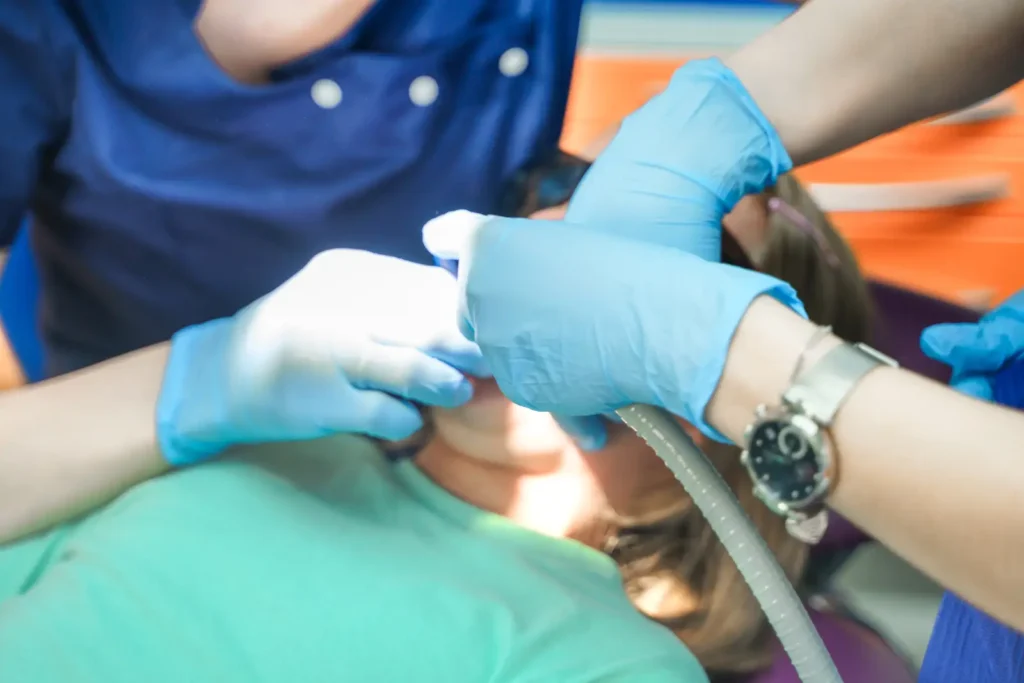
At Dental Nook Brisbane, we offer sleep dentistry under general anaesthesia, carried out by highly trained specialist anaesthetists in a carefully monitored setting. Our sleep dentistry service is a comfort-focused style of care, often referred to as sedation dentistry or dental sedation.
This approach allows dental treatment to be completed while you are fully relaxed and unaware of the procedure, without the need for physical restraint. It is designed to be safe, pain-free, low-stress and efficient, making it ideal for people who need several procedures completed in a single visit, those who experience significant dental anxiety, and patients with medical or physical conditions that make standard dental appointments difficult. While it is not suitable for everyone, sleep dentistry can be life-changing for the right patients.
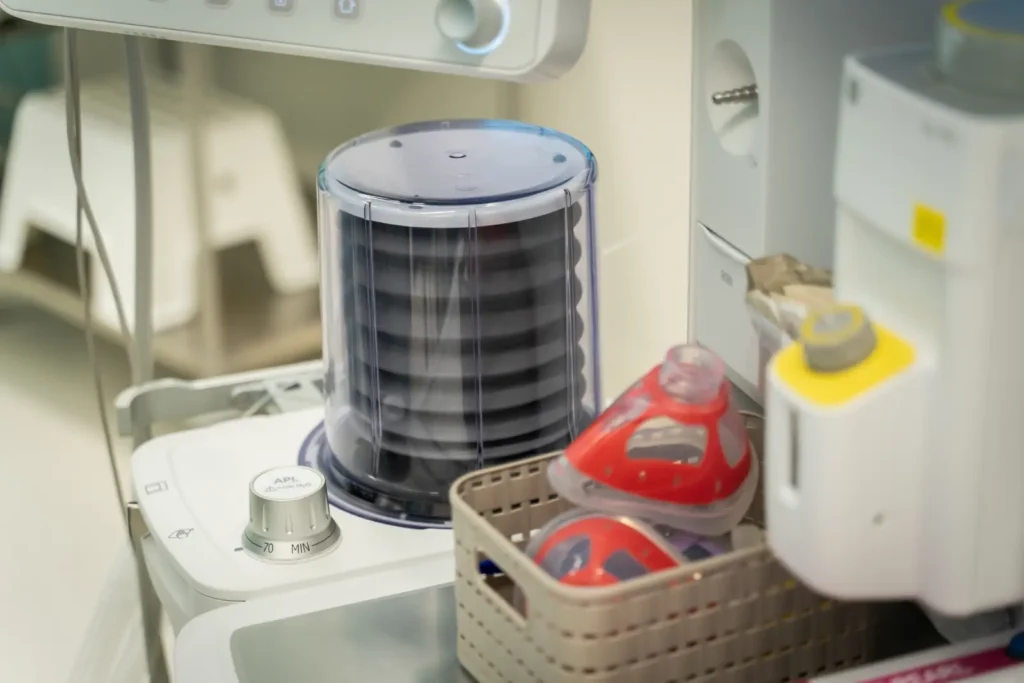
At Dental Nook, sleep dentistry (also called sedation dentistry or dental sedation) uses general anaesthesia to place you in a dream-like, fully relaxed state throughout your dental treatment. Depending on the type of procedure, both an oral surgeon and an experienced sedation dentist may be involved to closely monitor you from start to finish. This approach allows your dentistry to be completed safely and comfortably while you remain unaware of the procedure.
At Dental Nook, we offer three main approaches to sleep dentistry:
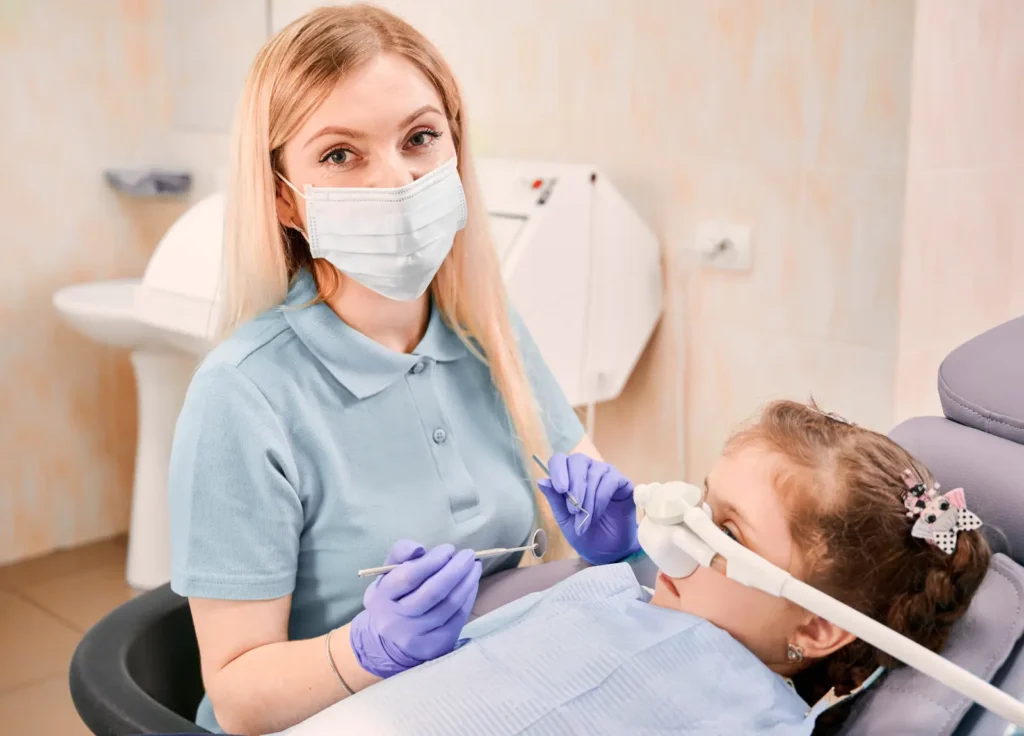
Happy gas does not put you fully to sleep, but it helps you feel calm and less anxious throughout your visit. It is generally more affordable than IV sedation or general anaesthesia and gives our team greater flexibility when arranging appointments.
For patients who require extensive treatment, have complex medical needs, or do not respond well to happy gas, our dentists may recommend treatment under general anaesthesia. Only a limited amount of happy gas can be safely used in a standard dental clinic, whereas full, deeper levels of sedation are provided in a hospital environment under specialist care.
General anaesthesia (GA) creates a carefully controlled state of unconsciousness. Under GA you do not feel any pain, are unaware of the treatment being performed, and any anxiety or discomfort related to dental procedures is completely removed.
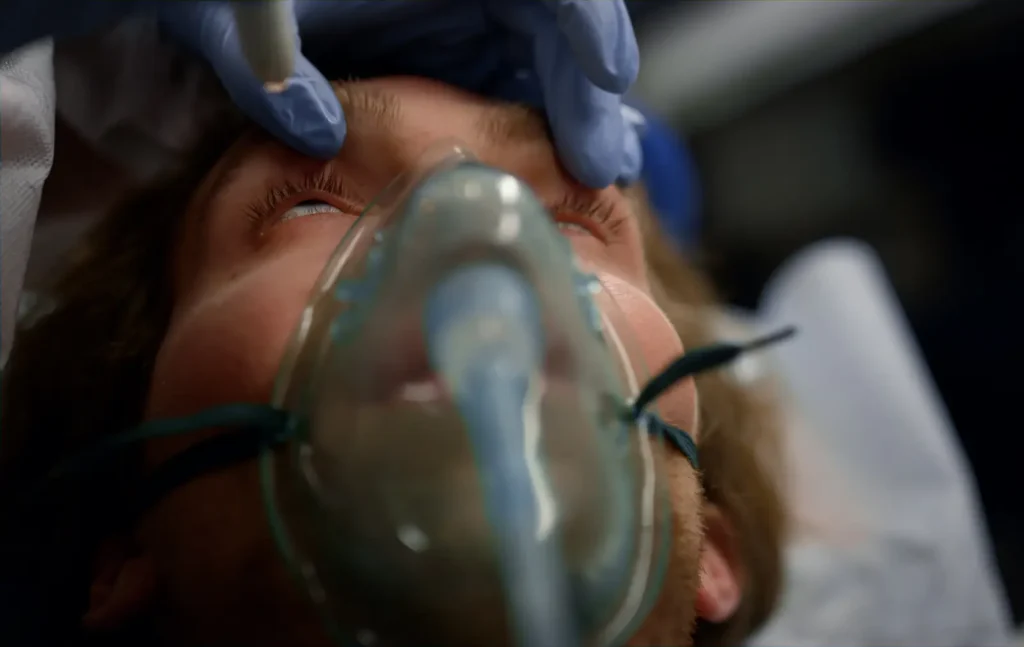
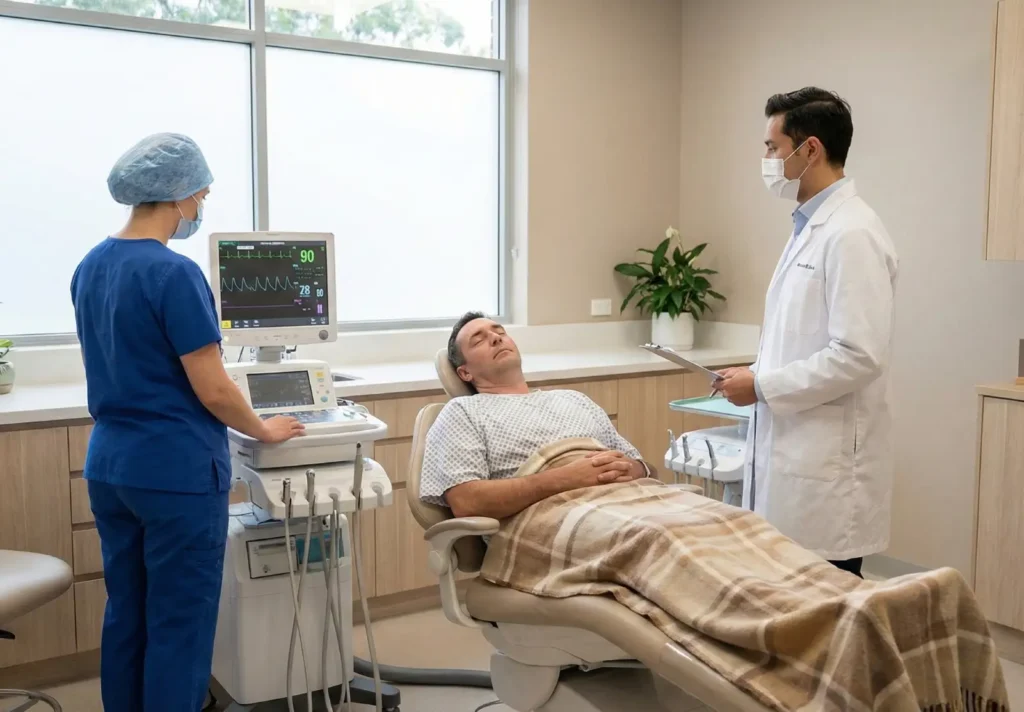
Sleep dentistry with general anaesthesia can make dental care much easier and safer for patients with additional needs. Key benefits include:
General anaesthesia is not the right option for everyone. At Dental Nook, our team will carefully review each patient’s medical history, abilities, and specific needs, and discuss the risks, benefits, and alternatives so families can make an informed decision about the safest way to provide care.
Yes. Sleep dentistry with general anaesthesia can be recommended for both adults and children whose special needs make conventional dental visits difficult or unsafe. It is particularly helpful when:
One of the main goals is to prevent dental trauma. By completing treatment while the patient is asleep, the dentist can perform procedures that might be impossible or highly distressing while the patient is awake.
For example, a paediatric dentist may suggest sleep dentistry for a very young child who requires space maintainers or multiple procedures in small mouth with limited cooperation. Under general anaesthesia, these treatments can be carried out gently and safely in one visit, helping protect both the child’s oral health and their long-term confidence in dental care.
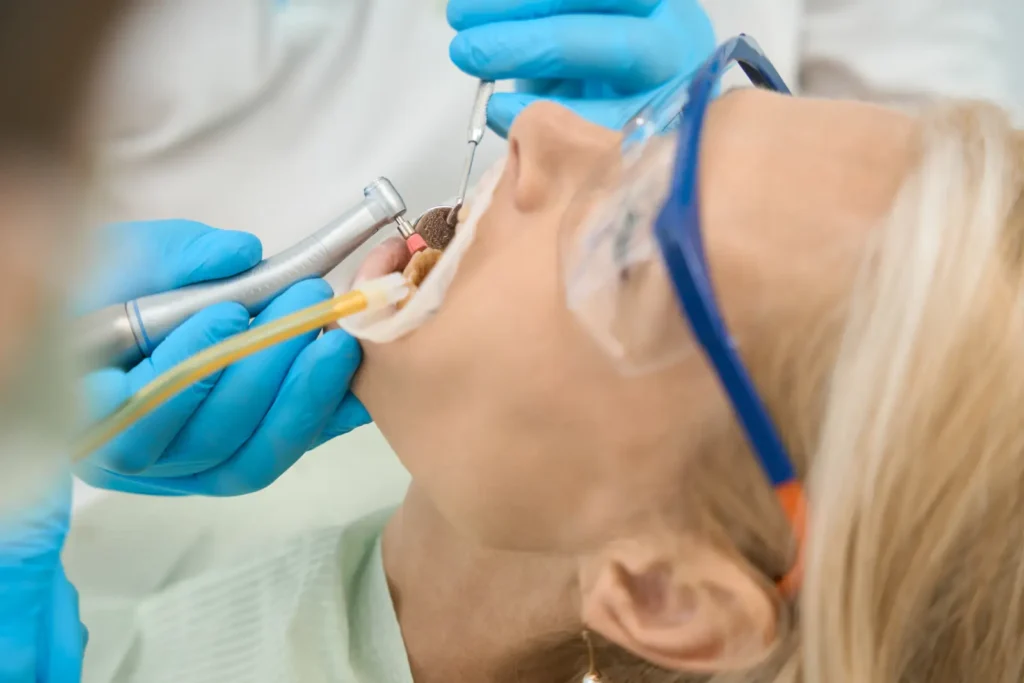
Sleep dentistry can be used for a wide range of treatments, including
General anaesthesia is particularly useful for long or complicated treatments because it places the patient into a controlled sleep, similar to a hospital procedure. While they are asleep, they feel no pain and are unaware of the treatment.
Key benefits for this type of care at Dental Nook include
It is important to talk with the sedation dentist or oral surgeon about general anaesthesia so that the benefits and any risks can be considered for your individual situation. They will review your medical history, assess the complexity of the treatment and recommend the safest and most suitable option.
If you would like to know more about sleep dentistry at Dental Nook, including sedation for implants, wisdom teeth removal, special needs dentistry, root canal treatment or other advanced care, please contact our team for guidance.
A gag reflex (pharyngeal reflex) is the body’s natural defence mechanism that helps protect the throat and airway from foreign objects. When dental instruments touch the back of the mouth or throat, this reflex can be triggered, causing gagging as a way to prevent choking.
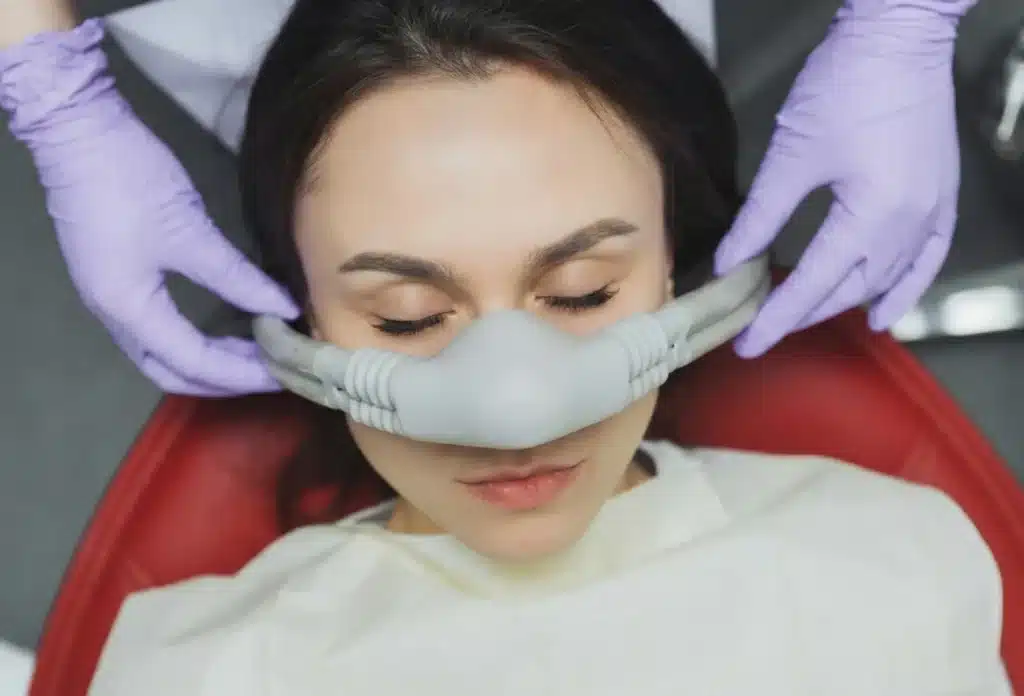
At Dental Nook, sleep dentistry with general anaesthesia can be a helpful option for people whose medical or behavioural conditions make routine appointments difficult or unsafe. Our dentists may recommend treatment under GA for specific conditions, such as
Because every person’s health and dental needs are different, the decision to use general anaesthesia is always made on a case-by-case basis. Your dentist or oral surgeon will consider your medical history, the type of treatment required, and the potential benefits and risks, and will liaise with your GP or specialist where needed.
Some children cannot comfortably manage dental treatment in the traditional chair, particularly if they have epilepsy or other complex needs. In these situations, a paediatric-style approach to care under general anaesthesia may be recommended.
While nitrous oxide (happy gas) can be useful for many young patients, it is not suitable when a child cannot breathe steadily through the nose or struggles to keep their mouth open. When this happens, treatment under GA can allow the dentist to complete necessary care safely while the child is fully asleep.
If you would like more information about how sleep dentistry at Dental Nook can support a child with epilepsy or other additional needs, our team is happy to discuss options.
Key considerations when a child is treated under general anaesthesia:
At your first sleep-dentistry visit at Dental Nook:
Once you and your dentist have agreed to proceed, several organisational steps take place before your general anaesthetic appointment:
When it is time for your treatment under general anaesthesia:
Our team will guide you through every step so your experience with sleep dentistry at Dental Nook is as safe, smooth, and stress-free as possible.

Please note that this is not an actual appointment, but only a request for one. We Will Contact you for a confirmation shortly after. Thank you!
sleep dentistry fortitude valley, no pain dental care, sleep dentist brisbane, sleep dentistry brisbane qld, sleep dentistry brisbane, sedation dentistry brisbane, sleep dentistry near me