Gum Disease Treatment in Brisbane

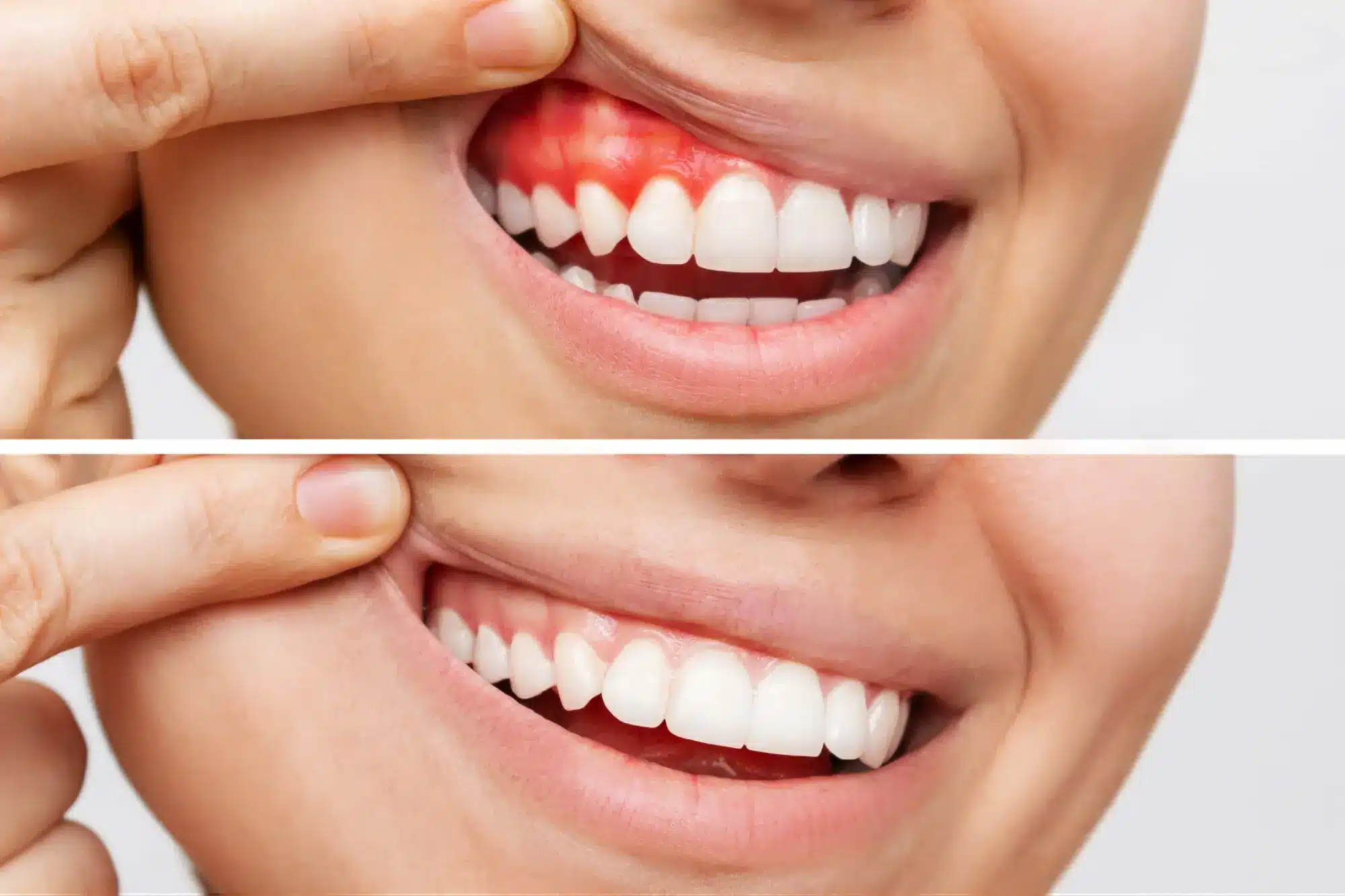
picture after getting gum disease treatment done

How Is Gum Disease Treated in Brisbane?

Let us begin by looking at what gum disease is and how it develops, then explore how it can be treated and prevented.

Gum disease, or periodontal disease,is an inflammatory condition that affects the gums and the bone that supports the teeth. It is caused by a buildup of dental plaque around the teeth and along the gum line.

At Dental Nook Brisbane, gum disease is managed as a bacterial infection of the gums and surrounding bone. Plaque is a sticky layer of bacteria that forms on teeth and gums. If it is not removed, it can harden into tartar, which cannot be brushed away at home and must be removed by a dental professional. Left untreated, gum disease can lead to tooth loss and may also contribute to other general health problems.

The good news is that gum disease is largely preventable with:

  • Consistent brushing and flossing
  • Good daily oral hygiene habits
  • Regular check-ups and professional cleans with your dental team
Gum disease occurs when the gum tissue around the teeth becomes inflamed and infected. This inflammation can eventually damage the bone that holds your teeth in place, leading to decay, receding gums and even tooth loss.
If plaque is not cleared away regularly, it hardens into tartar. Only a dentist or hygienist can remove tartar, which is why routine professional cleaning is so important.
good oral habits
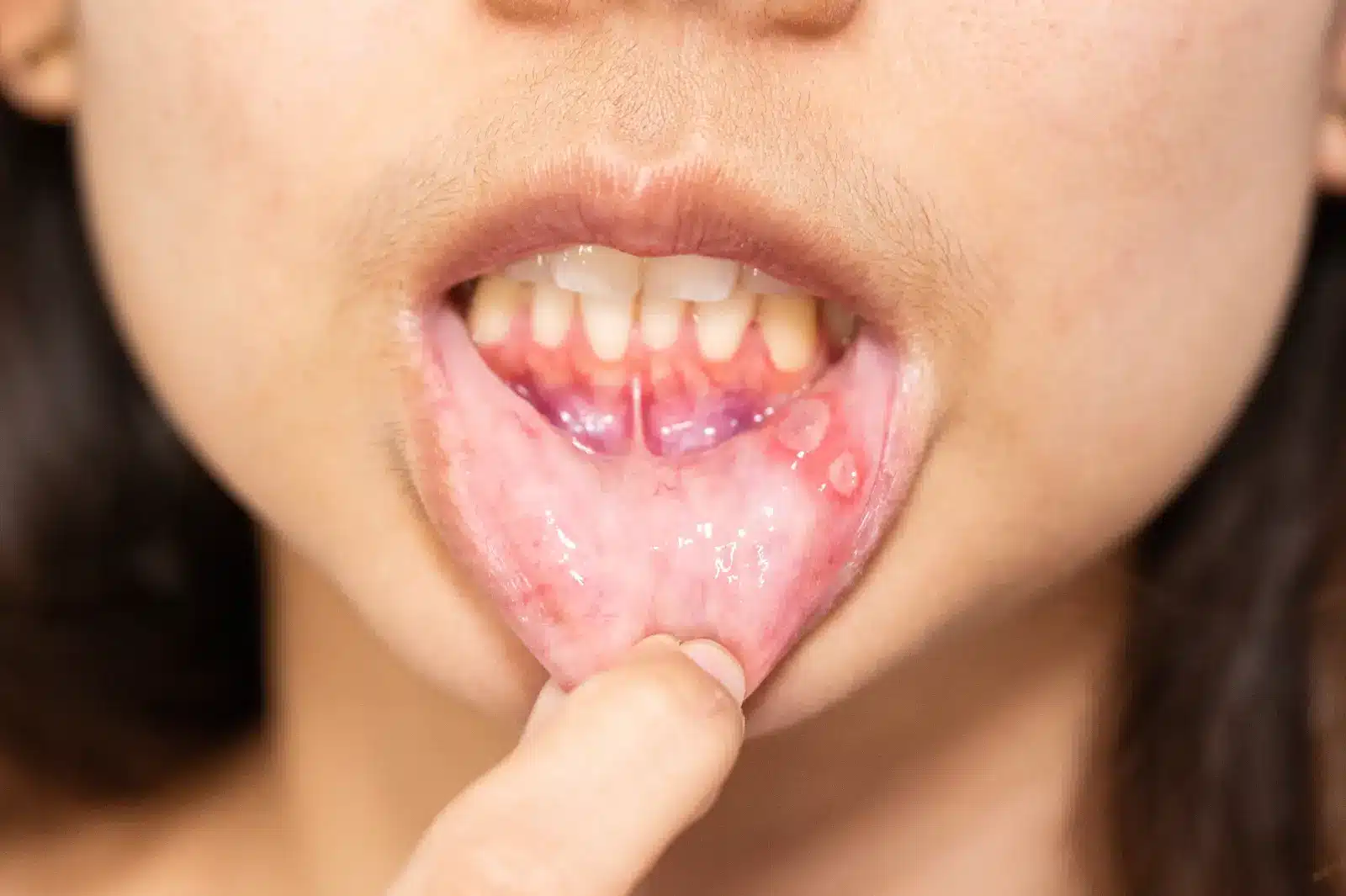
gum desease
Key points:

What Are the Stages of Gum Disease?

Gingivitis & Periodontitis

Gingivitis

  • Gingivitis is the early stage of gum disease and is marked by red, swollen or bleeding gums.
  • You may notice bad breath, tenderness or bleeding when brushing or flossing.
  • Gingivitis can usually be reversed with careful brushing, flossing and regular professional cleaning.

Periodontitis

  • Periodontitis is the advanced form of gum disease. The inflammation spreads deeper into the tissues and bone supporting the teeth.
  • As the condition progresses, the gums can pull away from the teeth to form periodontal pockets where bacteria collect and cause further damage.
  • Untreated periodontitis may lead to bone loss, loose teeth and eventually tooth loss. It does not resolve on its own and needs professional treatment alongside good home care.

Warning Signs

  • Bleeding, swollen or tender gums
  • Ongoing bad breath
  • Sensitive or loose teeth
  • Gum recession exposing more of the tooth
  • Changes in the way your teeth bite together

What Are Gum Disease Risk Factors?

Several factors can increase the likelihood of developing gum disease. You may be at higher risk if you:
  • Brush or floss irregularly or inadequately
  • Rarely use interdental brushes or floss
  • Have a diet high in sugar
  • Smoke or use tobacco products
  • Have crowded or crooked teeth that are difficult to clean
  • Experience hormonal changes
  • Take certain medications
  • Have systemic conditions such as diabetes
Being aware of these risks helps you and your Dental Nook dentist plan the right preventive care.
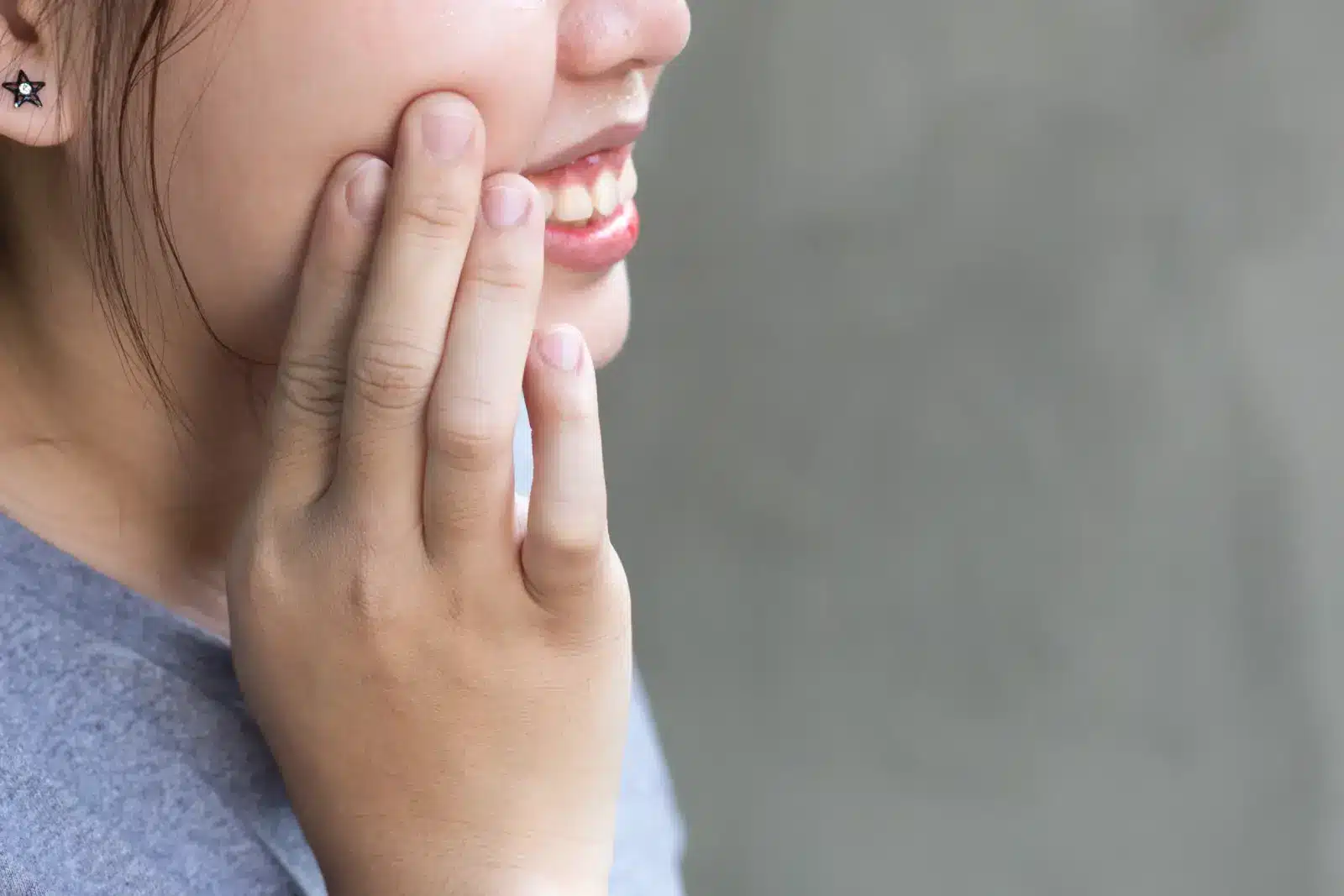
tooth pain is uneasy to handle.
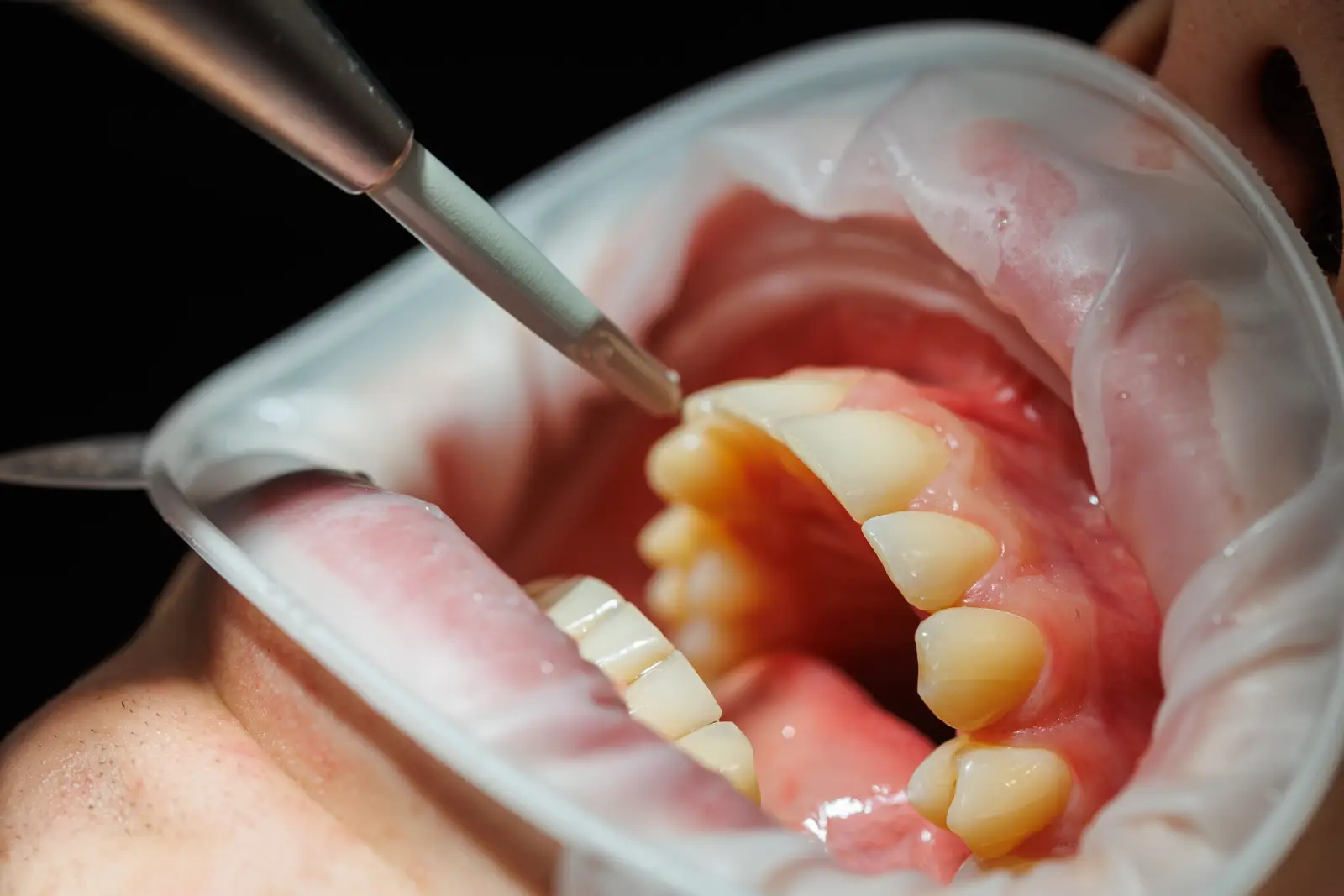
gum cleaning

Nonsurgical vs Surgical Gum Disease Treatments – What Are My Options?

Periodontal treatmentaims to clean the pockets around the teeth, reduce harmful bacteria and help save teeth from further damage.


Depending on how advanced the disease is, treatment may involve:
  • Deep cleaning below the gum line
  • Antibiotics to control infection
  • In more severe cases, surgical procedures to repair damaged tissues and bone
Your dentist will recommend the most suitable option based on:
  • How far the disease has progressed
  • Your overall health
  • How well you can maintain oral hygiene after treatment

Nonsurgical Treatments

Scaling and Root Planing

Scaling and root planing is a deep cleaning procedure for the teeth and gums. Special instruments are used to remove plaque and tartar from above and below the gum line.
Root planing smooths rough areas on the tooth roots, making it harder for bacteria to stick and helping the gums reattach more firmly to the teeth.

Antibiotic Therapy for Gum Disease

Topical or oral antibiotics may be prescribed alongside other treatments to help control bacterial infection in the gums.

Surgical Treatments

If nonsurgical approaches are not enough to control the infection and restore gum health, surgical treatment may be advised.

Laser Periodontal Therapy

Laser periodontal therapy uses a specialised laser to remove diseased tissue and bacteria. It is minimally invasive and can reduce bleeding, swelling and discomfort compared with traditional gum surgery, often leading to faster healing.

Pocket Reduction (Flap) Surgery

In flap surgery, the gums are gently lifted back so tartar and bacteria can be removed from deep periodontal pockets and from the tooth roots. The gums are then repositioned and sutured in place to reduce pocket depth and improve gum health.

Bone Grafting

Bone grafts help rebuild bone that has been lost due to gum disease. Graft material may come from the patient, a donor source or synthetic bone. It is placed in areas of bone loss to support the teeth. Over time, the body integrates the graft, encouraging new bone growth.

Soft Tissue Grafts

Soft tissue grafts repair areas where gum tissue has been lost, covering exposed tooth roots and protecting them from further damage. This can reduce sensitivity and improve the appearance of the gums.

Guided Tissue Regeneration

Guided tissue regeneration encourages new bone and tissue to grow in areas affected by periodontal disease. A barrier membrane is placed to direct the growth of new tissue while blocking unwanted tissue from interfering with healing.

Risks or Complications of Periodontal Treatment

Like any medical or dental procedure, gum disease treatment can carry some risks and side effects. These may include:
  • Pain and discomfort:Mild soreness and sensitivity in the treated area are common and usually settle within a few days. Your dentist may recommend pain relief to keep you comfortable.
  • Bleeding:Some bleeding after treatment is normal. Excessive or prolonged bleeding is less common but can occur, particularly if you are taking blood-thinning medicines.
  • Infection:Although the goal of treatment is to control infection, there is a small risk of a secondary infection if the area is not cared for properly.
  • Tooth sensitivity:Teeth can feel more sensitive to hot and cold after treatment. This often improves with time.
  • Receding gums:In some cases, the gums may shrink back slightly after treatment, making the teeth appear longer and exposing more of the root surface.
  • Tooth mobility:When deep periodontal disease has been treated, affected teeth may feel looser for a time. In rare cases, severely compromised teeth may eventually be lost.
Your Dental Nook dentist will discuss these possibilities with you and explain how to minimise risks.
gum treatment in brisbane
flossing

How Should I Care for My Teeth and Gums After Gum Disease Treatment?

After treatment, careful home care is essential to support healing and prevent the disease from returning. Your dentist or hygienist may recommend:
  • Following all aftercare instructions closely, including any prescribed medications
  • Brushing twice daily with a soft-bristle toothbrush and fluoride toothpaste
  • Flossing or using interdental brushes every day
  • Using an antiseptic mouthwash if advised
  • Avoiding smoking and tobacco products, which slow healing and increase gum disease risk
  • Eating a balanced diet rich in vitamins and minerals to support immune health and tissue repair
  • Keeping up with regular dental checkups so your gums and teeth can be monitored
By following these steps and working with your Dental Nook team, you can support a successful recovery and maintain healthier gums long term.

How Long Does It Take to Recover from Gum Disease Treatment?

If you have had a nonsurgical procedure such as scaling and root planing, you may feel some discomfort for a few days. Most people can return to normal activities soon after treatment.

Recovery may take longer if you have had surgical procedures such as flap surgery, bone grafting or soft tissue grafts. It is common to experience mild pain, swelling and slight bleeding in the days following surgery.

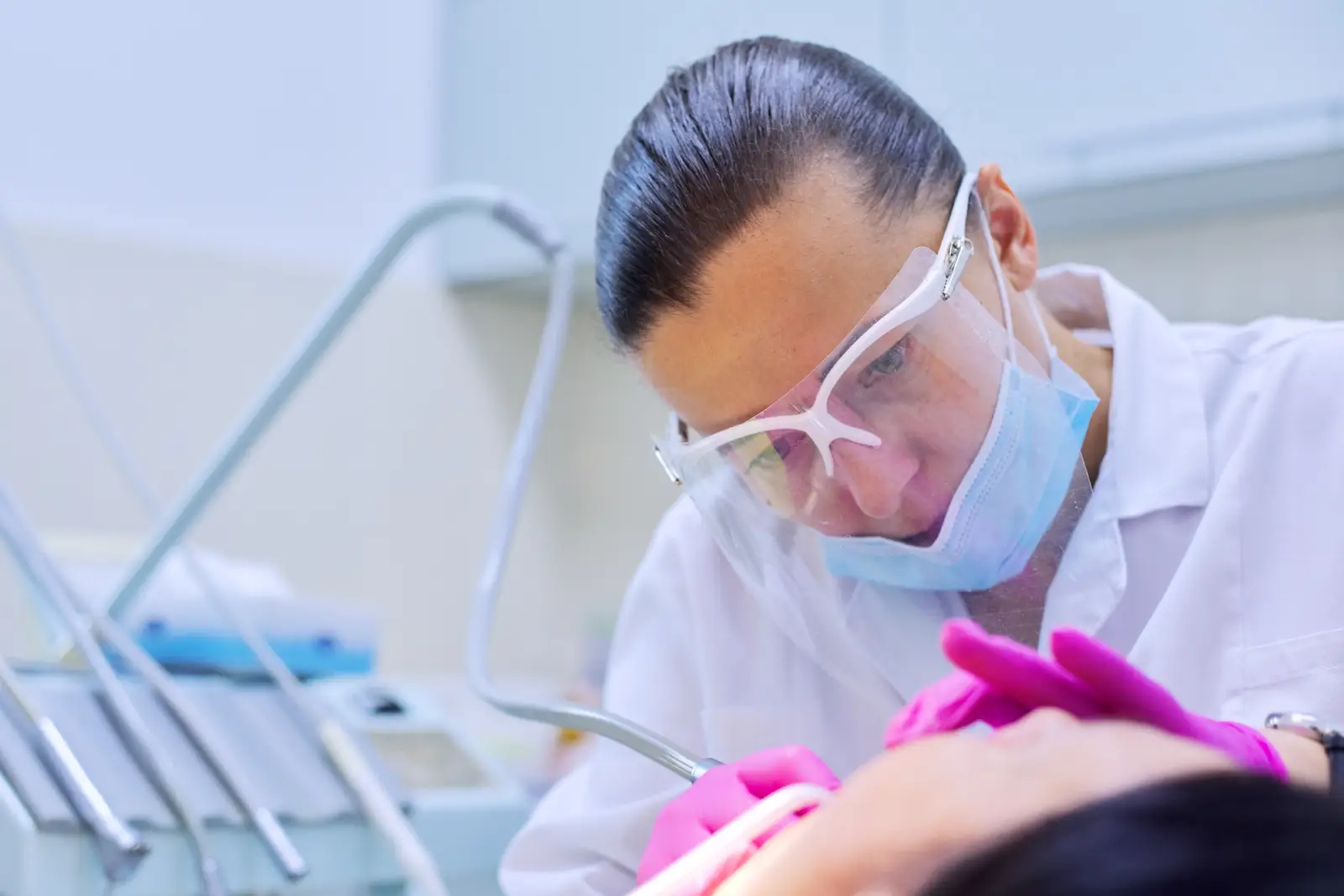
You may need to modify your diet for a short period and follow specific instructions on how to care for the treated area. It can take several weeks for the gums to heal fully and for your mouth to feel completely back to normal.
gum health
dentists at dental nook brisbane

Dental Nook and Ongoing Gum Health

The American Dental Association recommends that most people see their dentist at least twice a year for a check-up and cleaning. Some patients, especially those with a history of gum disease or who smoke, may need more frequent visits.
At Dental Nook Brisbane, we provide:
  • General dentistry
  • Gum disease diagnosis and treatment
  • Cosmetic and restorative care
Our experienced team works with you to create a personalised plan to protect your gums and keep your smile healthy.
If you are worried about bleeding gums, bad breath or any other signs of gum disease, contact Dental Nook to arrange a periodontal assessment and discuss the best treatment options for you.

Frequently Asked Questions about Gum Disease Treatment

What are the early signs of gum disease?
Early signs include bleeding gums when brushing, redness, swelling, and bad breath. If you notice these symptoms, it’s best to book an appointment quickly.
Yes. Research links gum disease with conditions such as diabetes, heart disease, and pregnancy complications, making early treatment essential.
The success of treatment depends on:
  • How severe is the disease?
  • How much bone and gum tissue have been damaged?
  • Your general health and commitment to good home care
When periodontal disease is found and treated early, it can usually be controlled with appropriate treatment and consistent oral hygiene.
In advanced cases where significant damage has occurred, it may not be possible to completely restore the gums and bone to their original condition.
However, research shows that treatment can often successfully stabilise the condition and stop it from getting worse.
Daily brushing and flossing, regular dental check-ups, and professional cleans are the best ways to prevent gum disease.
Mouthwash can be a useful addition to your daily routine and may help manage gum disease, especially when an antibacterial mouthwash is recommended by your dentist.
It is important to remember that mouthwash alone cannot cure gum disease. It should always be used alongside proper brushing and flossing, not as a replacement.

Request an Appointment Online

Please note that this is not an actual appointment, but only a request for one. We Will Contact you for a confirmation shortly after. Thank you!