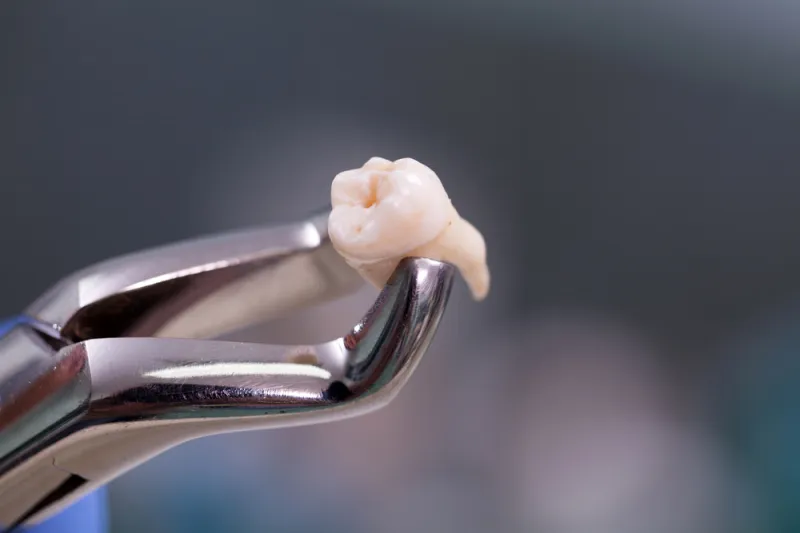
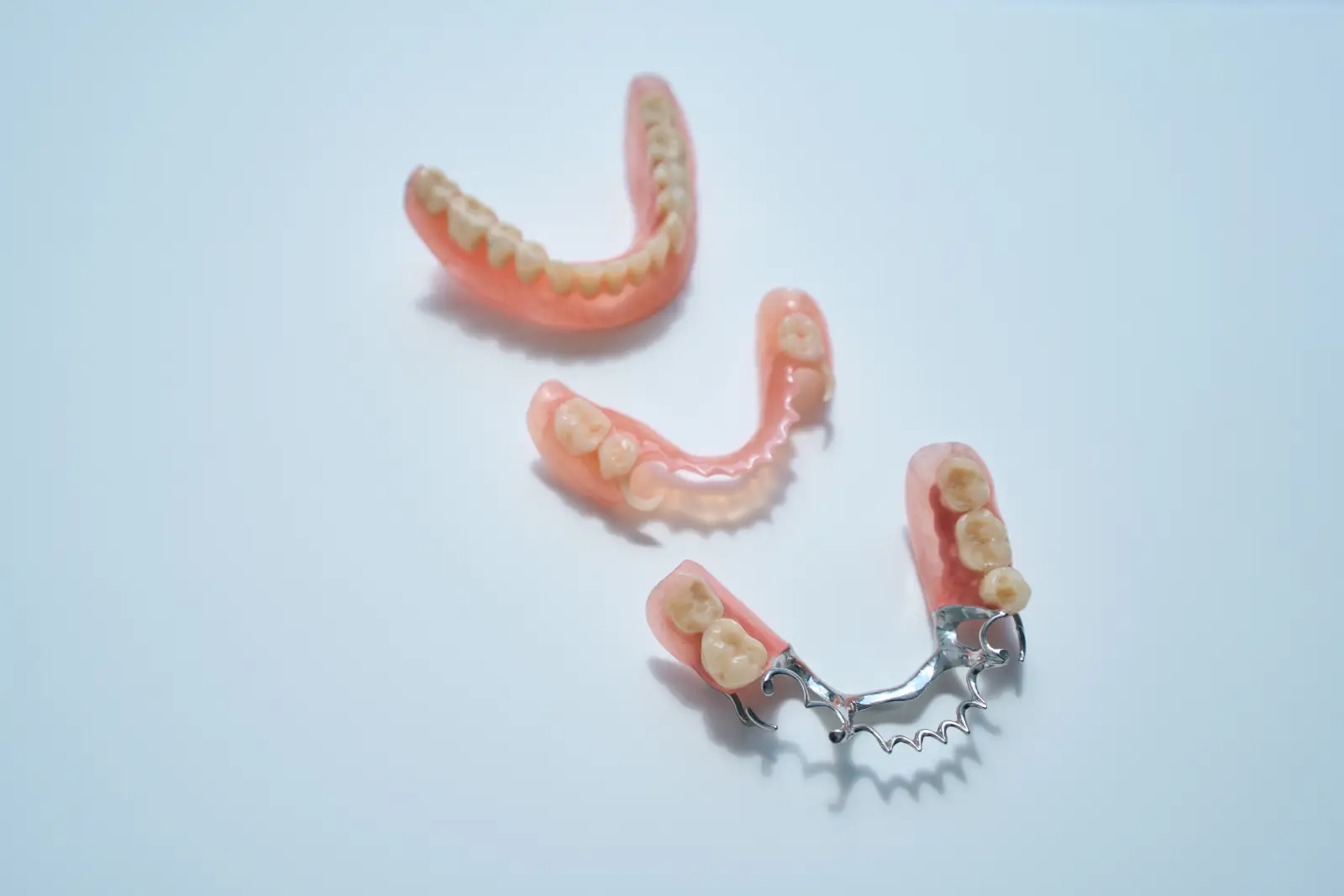
Your dentist may suggest removing a tooth when one or more of the following apply
Severely decayed or broken teeth
A tooth that cannot be restored with a filling, crown or root canal, for example, a tooth that has fractured below the gum line or after a crown was delayed.
Baby teeth that have not fallen out on their own
Retained primary teeth can block or delay the eruption of permanent teeth. Removing them can help create a healthier path for the adult teeth.
Tooth removal as part of orthodontic treatment
In some orthodontic cases, there is not enough room in the jaw. One or more teeth may need to be removed to create space before braces or clear aligners are fitted.
Loose teeth caused by advanced gum disease
Teeth that are very mobile because of periodontitis may need to be removed before planning replacement options such as dental implants or bridges.
Problem with wisdom teeth
Wisdom teeth that are impacted, decayed, infected or pressing on other teeth often require removal to prevent pain and crowding.
Teeth in unusual positions
Occasionally, teeth appear in places such as the palate or high in the gum. If they interfere with normal bite or oral function, extraction may be advised.
Simple extraction
A tooth that cannot be restored with a filling, crown or root canal, for example, a tooth that has fractured below the gum line or after a crown was delayed.
Surgical extraction
Retained primary teeth can block or delay the eruption of permanent teeth. Removing them can help create a healthier path for the adult teeth.
Wisdom tooth extraction
In some orthodontic cases, there is not enough room in the jaw. One or more teeth may need to be removed to create space before braces or clear aligners are fitted.
Baby tooth extraction
Teeth that are very mobile because of periodontitis may need to be removed before planning replacement options such as dental implants or bridges.